Whether you are launching a brand-new startup or trying to scale an established business, the most critical question on your mind is likely: "how can we sell more effectively?" In today's hyper-competitive marketplace, relying on a great product alone is no longer enough. You need a comprehensive approach that merges psychology, digital strategy, and human connection. Sales are the lifeblood of any organization. But moving inventory or booking clients requires far more than just asking for money. It requires an understanding of where your buyers are, what they need, and how to communicate value. In this comprehensive guide, we will break down the essential steps to drive revenue, explore proven sales techniques, and give you actionable advice on optimizing your entire sales process. If you’re also thinking about selling the business itself (not just increasing revenue), start with sell a business and the valuation tool (manual) to understand your options. Laying the Groundwork: Understanding Your Market Before you can pitch a product, you have to understand exactly who you are talking to. Skipping this foundational step often leads to wasted ad spend and lackluster conversions. The first step in any successful campaign is identifying target audience demographics . You must know the age, location, income level, and interests of your ideal buyer. However, demographics only tell half the story. You also need to understand the psychology of consumer purchasing decisions. Are your customers buying out of fear of missing out, a desire for status, or an urgent need to solve a practical problem? By understanding the emotional and logical triggers behind a purchase, you can tailor your messaging to resonate deeply. Once you know who you are talking to, you must focus on developing a unique value proposition (UVP). Your UVP is a clear statement that explains how your product solves customers' problems, delivers specific benefits, and tells the ideal customer why they should buy from you rather than the competition. If your growth strategy includes acquisitions, it also helps to study what’s available in your market by browsing listings like businesses for sale (or location pages such as businesses for sale in Melbourne). Choosing the Right Platforms Many beginners ask, "how do i sell my products online without getting lost in the noise?" The answer lies in choosing the right distribution channels. A common dilemma is choosing between online marketplaces vs personal ecommerce website. Personal Websites (Shopify, WooCommerce): Offer complete brand control, ownership of customer data, and higher profit margins. However, you are 100% responsible for driving your own traffic. Online Marketplaces (Ebay, Etsy): Come with built-in traffic and trust. The trade-off is higher fees and intense direct competition. If you are weighing a broker vs online marketplace approach for selling a business, the same principle applies: choose channels that match how your buyers prefer to search, compare, and transact. If you are wondering, "how can we sell on Amazon and stand out?", the key is mastering their specific algorithm (A9). This involves meticulous keyword research, utilizing Fulfillment by Amazon (FBA) for faster shipping, and generating verified reviews early on. Ultimately, the most successful brands don't choose just one. They focus on implementing a multi-channel distribution strategy, ensuring their products are available wherever their target audience prefers to shop. Attracting and Capturing Leads Traffic is useless if it doesn't convert. To turn visitors into paying customers, you need a structured journey and compelling digital assets. Instead of hoping a visitor buys on their first visit, focus on building a high-converting sales funnel. A funnel guides a prospect systematically through the awareness, interest, decision, and action stages. Offer a free lead magnet (like a discount code or an eBook) in exchange for an email address, then nurture that lead over time. You can feed your funnel by leveraging social media for lead generation. Platforms like LinkedIn are phenomenal for B2B outreach, while Instagram and TikTok thrive on visual, B2C product showcases. Use engaging video content and targeted ads to capture attention and direct users to your landing pages. When users land on your product pages, they need to be convinced immediately. This is where creating persuasive product descriptions becomes critical. Don't just list features; highlight benefits. Paint a picture of how the product will improve the buyer's life. Simultaneously, you must focus on optimizing product listings for search engines. Incorporate long-tail keywords naturally into your titles, headers, and image alt-tags so that Google and marketplace algorithms rank your products higher. Mastering the Art of the Sale When internet users type the awkward but common query "how do you sale effectively?" into search engines, they are usually looking for practical, boots-on-the-ground communication tactics. Having strong marketing strategies gets people to the door, but knowing how to talk to them closes the deal. Your approach will differ drastically depending on your business model. Understanding B2B vs B2C sales strategies is vital. B2C (Business-to-Consumer): Purchases are usually emotional, impulse-driven, and involve a single decision-maker. Your sales tips here should focus on urgency, visual appeal, and seamless checkout experiences. B2B (Business-to-Business): Purchases are logic-driven, involve multiple stakeholders, and have longer sales cycles. For higher-ticket items, particularly in B2B, the consultative selling approach benefits both you and the buyer. Instead of aggressively pushing a product, act as an advisor. Ask deep, probing questions about their pain points. When you diagnose their problem accurately, selling becomes a natural suggestion of a solution. In industries where buyers expect guidance (like business sales), it’s worth understanding how a business brokerage firm or a commercial business broker structures conversations, qualifies buyers, and overcomes objections. No matter how good your product is, you will face resistance. Knowing how to overcome common sales objections is a non-negotiable skill. Price objections: Shift the focus from cost to return on investment (ROI) or long-term value. Trust objections: Provide case studies, testimonials, and guarantees (and consider linking to answers in your FAQ if you have recurring buyer concerns). Timing objections: Create genuine urgency by highlighting the cost of inaction. As you reach the end of the conversation, you must utilize effective sales closing techniques . Avoid weak language like, "So, what do you think?" Instead, try the Assumptive Close ("When would you like us to schedule the delivery?") or the Summary Close, where you reiterate the key benefits agreed upon before asking for the signature. Retention: The Secret to Long-Term Profit So, how can we sell more without constantly spending money on new ads? The answer is selling to the people who already trust you. As your business grows, keeping track of every conversation via spreadsheets becomes impossible. Here, the customer relationship management software advantages shine. A good CRM (like HubSpot or Salesforce) automates follow-ups, tracks customer purchase history, and segments your audience so you can send highly personalized offers. Acquiring a new customer is up to five times more expensive than retaining an existing one. Therefore, implementing ways to increase customer lifetime value (CLV) is crucial for sustainable growth. Upselling and Cross-selling: Recommend complementary products at checkout. Subscription Models: Offer a "subscribe and save" option for consumable goods. Loyalty Programs: Reward repeat purchases with points, exclusive discounts, or early access to new releases. Boosting your sales isn't about finding one magical trick; it's about optimizing every touchpoint in the customer journey. To summarize: Understand the deep psychology and demographics of your buyers. Diversify your presence by combining your own site with powerful marketplaces like Amazon. Optimize your listings for search engines and write copy that converts. Use consultative selling and master objection handling to close deals efficiently. Leverage CRM tools to nurture leads and turn one-time buyers into lifelong advocates. By implementing these comprehensive strategies, you will stop wondering how to generate revenue and start building a predictable, scalable sales machine. Apply these best practices consistently, and watch your bottom line grow. If you’d like a second set of eyes on your strategy, you can also reach out via Contact Us. Question: How do I go beyond demographics to truly understand my buyers? Question: Should I sell on my own website or on marketplaces-and how can I stand out on Amazon? Question: What makes a high-converting sales funnel, and how do I feed it with social media? Question: How do I handle common objections and close more deals? Price: Reframe around ROI and long-term value. Trust: Use case studies, testimonials, and guarantees. Timing: Create genuine urgency by emphasizing the cost of inaction. Question: How can we sell more without constantly increasing ad spend? Upselling and cross-selling at checkout Subscription options for consumables Loyalty programs with points, exclusive discounts, or early access
Pinpoint Who is Buying
Craft Your Core Message
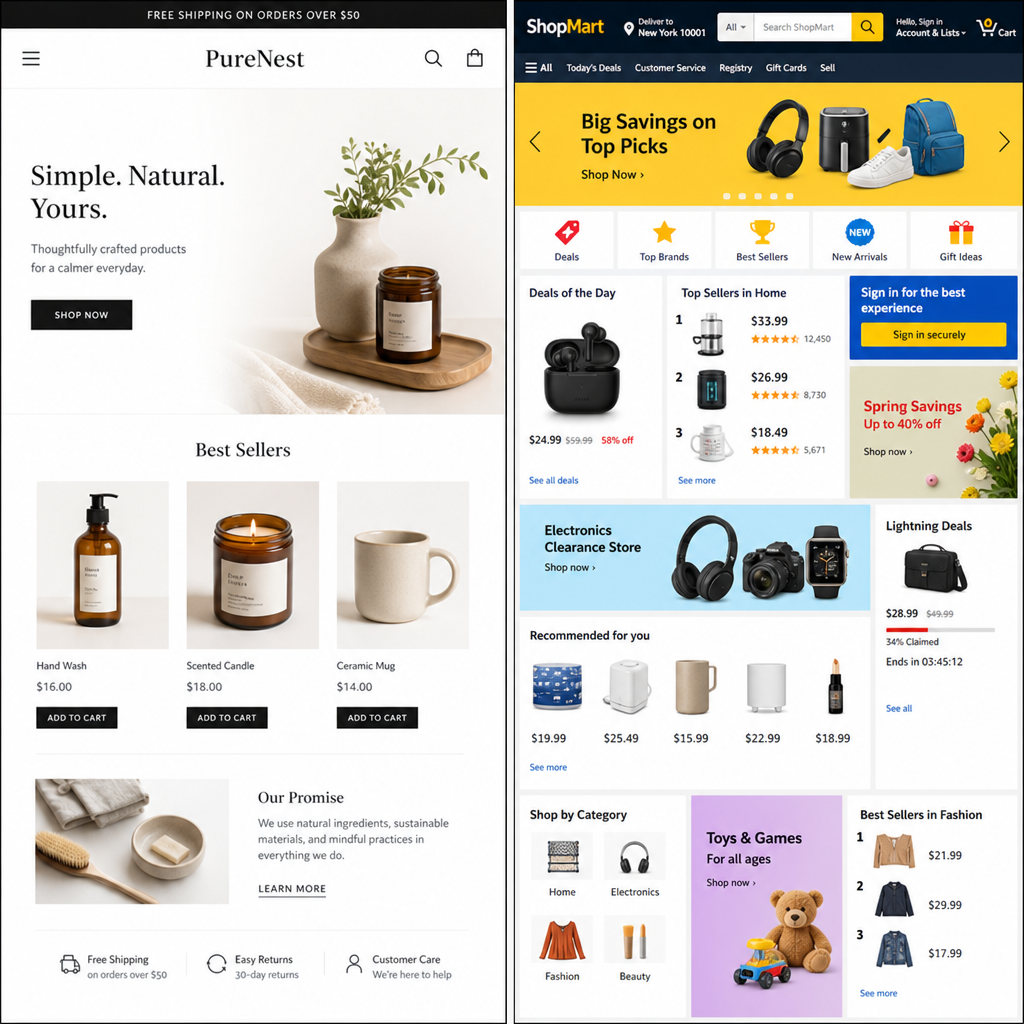
Where to Sell: The Great Debate
Building the Funnel
The Power of Social Media
Optimizing Your Digital Storefront
Tailoring Your Strategy
The Consultative Approach
Handling Pushback
Sealing the Deal
Managing Customer Relationships
Maximizing Lifetime Value
Summary Takeaways
Q&A
Short answer: Pair basic demographics (age, location, income, interests) with psychographics-the emotional and logical triggers behind purchases. Identify whether your customers act from FOMO, a desire for status, or an urgent need to solve a problem. Then craft a unique value proposition that clearly states how you solve their pain, the benefits delivered, and why you're the best choice versus competitors.
Short answer: Both have trade-offs. Personal sites (Shopify, WooCommerce) offer brand control, customer data, and better margins but require you to drive traffic. Marketplaces (eBay, Etsy) bring built-in traffic and trust but add fees and direct competition. The most resilient approach is multi-channel distribution. To stand out on Amazon, optimize for A9: do meticulous keyword research, use FBA for fast shipping, and secure verified reviews early.
Short answer: Guide prospects through awareness - interest - decision - action. Offer a lead magnet (e.g., discount code, eBook) to capture emails, then nurture over time. Use social platforms strategically: LinkedIn for B2B outreach; Instagram/TikTok for visual B2C showcases. Drive traffic with engaging video and targeted ads to optimized landing/product pages that highlight benefits (not just features) and naturally include long-tail keywords in titles, headers, and image alt text.
Short answer: Address the root concern:
Close with confident techniques-avoid weak What do you think? phrasing. Use the Assumptive Close (When should we schedule delivery?) or the Summary Close (recap agreed benefits, then ask for the signature).
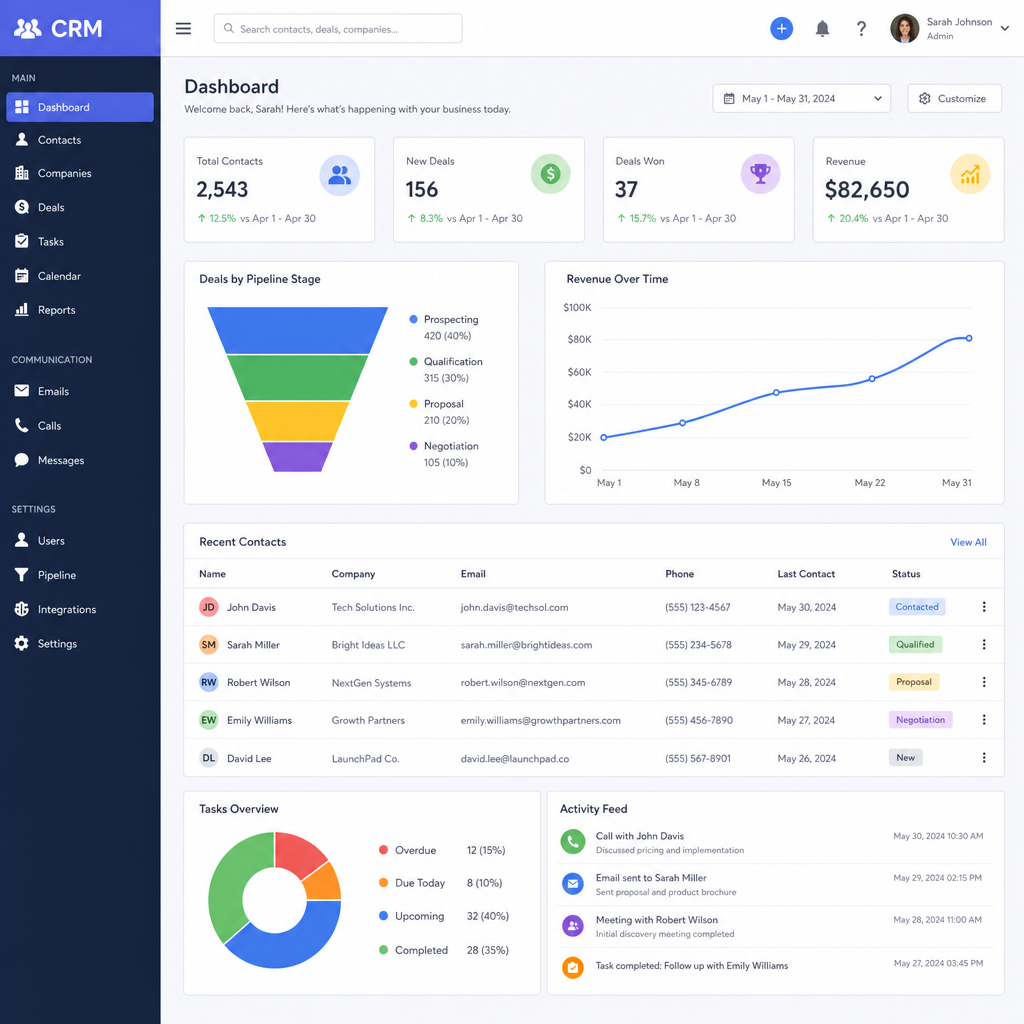
Short answer: Focus on retention and lifetime value. Implement a CRM (e.g., HubSpot, Salesforce) to automate follow-ups, track purchase history, and segment audiences for personalized offers. Increase CLV with:
Selling to existing customers who already trust you is more cost-effective and boosts long-term profit.