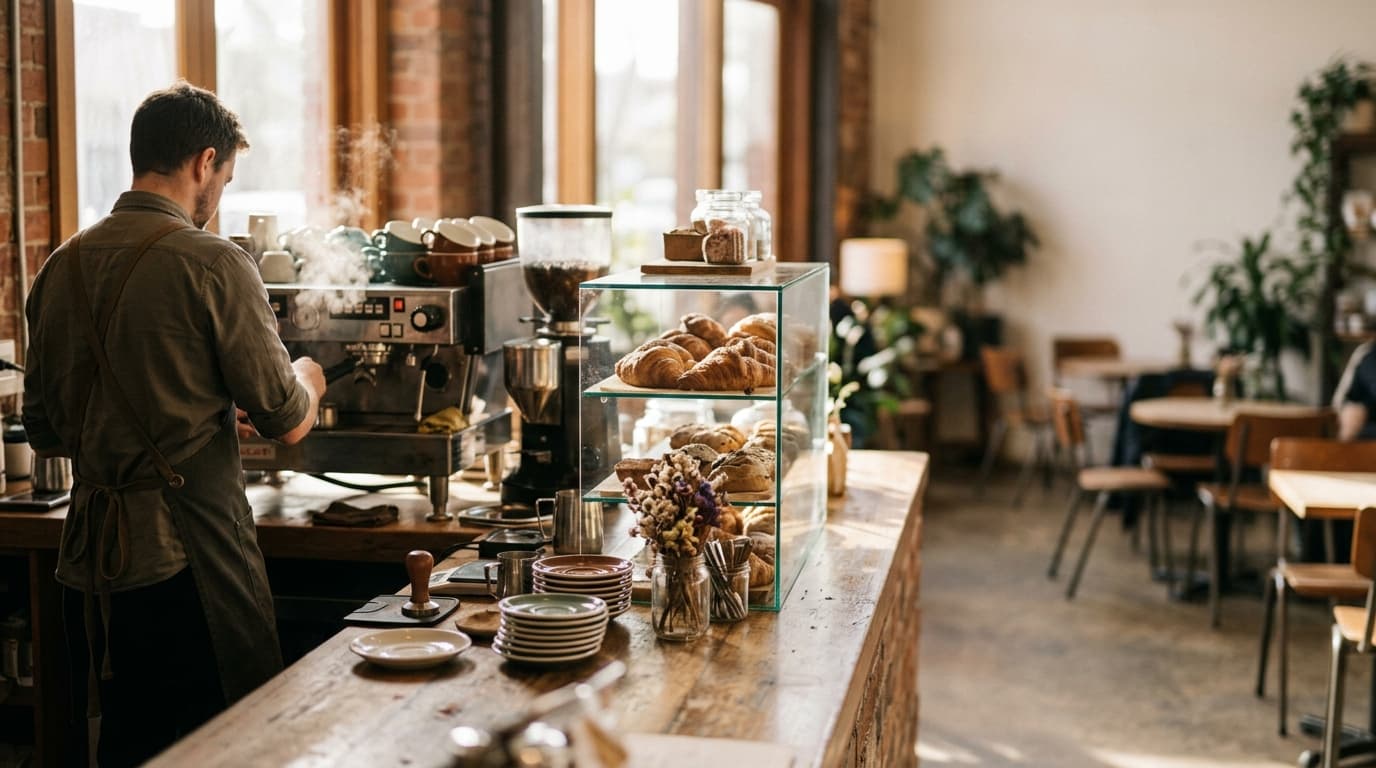
Cafes and coffee shops are among the most popular businesses to buy in Australia, powered by a world-renowned coffee culture and dependable daily demand. You can buy anything from a small coffee kiosk for around $30,000 to an established full cafe for $150,000 to $400,000, or a larger licensed venue for more, with most cafes selling for roughly 1.5 to 3 times their adjusted annual profit. Coffee carries high margins, but the key to a good buy is a strong lease, solid foot traffic and verified profit, not just a busy-looking shop. A cafe can be a rewarding, hands-on business with loyal regulars and plenty of room to add your own stamp. But cafes are also margin-sensitive and lease-dependent, so knowing what to look for makes all the difference. This guide covers the types of cafe for sale, what they cost, how profitable they are, and exactly what to check before you buy. Cafes and coffee shops appeal to buyers because coffee is a daily ritual Australians rarely give up, which creates resilient, repeat demand. You inherit an established customer base, cash flow and fit-out, and coffee itself carries strong margins. For many owners, a cafe is also a lifestyle and creative business, a welcoming local hub they can shape and grow. The appeal is steady demand plus personality. A well-located cafe enjoys loyal regulars, high-margin coffee sales, and the chance to lift income through better food, service and marketing. It is a genuinely hands-on business, which suits owners who want to be involved day to day. For a full look at the returns, see our guide on whether buying a cafe is a good investment. The main types of cafe for sale in Australia are coffee kiosks and carts, espresso bars and coffee shops, full cafes, licensed cafes, and franchise cafes. Kiosks and coffee shops are the cheapest and simplest, focusing on coffee and light food, while full and licensed cafes offer more revenue but greater complexity. The right type depends on your budget, experience and how hands-on you want to be. A quick guide to the options: Coffee kiosks and carts. Small, coffee-focused sites with low entry costs and simple operations, ideal for first-time owners. Espresso bars and coffee shops. Compact venues built around high-margin coffee and light food, with limited kitchen requirements. Full cafes. Sit-down venues with a full menu and kitchen, offering more revenue but more staff and complexity. Licensed cafes. Cafes with a liquor licence that trade into the evening, adding revenue and complexity. Franchise cafes. Branded coffee outlets offering a proven system and support for a higher cost and ongoing fees. For a comparison with other hospitality formats, see our takeaway vs restaurant vs cafe guide. Cafe prices in Australia vary by type, size and location. A small coffee kiosk or cart can cost $30,000 to $150,000, an established full cafe typically $150,000 to $400,000, and a larger or licensed cafe $400,000 to $800,000 or more. Most cafes sell for roughly 1.5 to 3 times their adjusted annual profit, with stock usually paid for on top at handover. Price tracks a cafe's verified profit and location, not its fit-out or turnover. A well-placed cafe with strong, provable earnings and a secure lease commands a premium, while a struggling venue with the same floor space sells for less. Browse current cafes for sale, or for affordable coffee kiosks, businesses under $500k and our guide to the best businesses to buy under $100k. Use our free valuation tool to check any asking price. Cafes typically achieve a high gross profit on coffee, around 65 to 70 percent, but net profit, after wages, rent and all other costs, usually sits around 4 to 10 percent of sales, and many cafes make less. Coffee is high-margin, but labour and rent absorb much of it, so profitability comes down to disciplined cost control and a strong location rather than cup volume alone. This is the number that surprises first-time buyers. A single coffee looks hugely profitable, but by the time you have paid staff, rent, milk, beans and everything else, the average cafe keeps roughly a tenth of its sales. Always judge a cafe on its verified net profit, not its turnover, and factor in whether the current owner works unpaid hours to prop up those figures. Our detailed guide on whether a cafe is a good investment breaks the economics down fully. Before buying a cafe, verify the net profit against tax returns, BAS and bank statements, scrutinise the lease term and rent, observe foot traffic at different times, check the condition of the coffee machine and equipment, and confirm why the owner is selling. For cafes, the lease and location are critical, because a great cafe on a short or expensive lease can quickly become a poor investment. The essential checks for any cafe: Lease and rent. Confirm the remaining term, renewal options and rent reviews. In hospitality, the lease often is the business. Verify the numbers. Check net profit against tax returns, BAS and bank records, and confirm it does not rely on the owner's unpaid hours. Foot traffic. Visit at different times and days to see real customer flow. Equipment. Inspect the coffee machine, grinder and kitchen gear, as replacements are costly. Staff and reviews. Assess the team, the wage bill and the cafe's online reputation. Reason for sale. Understand why the current owner is selling. For the full process, follow our ultimate guide to buying a business in Australia, and for a city-specific view, our Melbourne cafe buying guide. Cafes are usually valued at around 1.5 to 3 times their adjusted annual profit (SDE), plus the value of stock and any major equipment. A cafe with clean, verifiable financials, a secure lease and low reliance on the owner commands a higher multiple, while a struggling venue, a short lease or owner-dependent income pulls it down. Always benchmark the price against comparable cafe sales. Because the coffee machine and fit-out are real assets, a cafe valuation blends the earnings multiple with equipment and stock value. Verify the adjusted profit first, since the whole valuation rests on it. Run any asking price through our free business valuation tool, and see our full guide on how to value a business and our worked Melbourne hospitality valuation example. For most people, buying an existing cafe is lower-risk than starting one from scratch. You inherit established cash flow, a customer base, trained staff, a fitted-out venue and a proven location, skipping the expensive, risky build-out phase. Starting fresh offers full creative control but far higher risk, a large upfront fit-out cost, and a longer path to profit. Building a cafe from nothing means an expensive fit-out, an unproven location and months before you turn a profit. Buying an established cafe lets you step into working cash flow on day one and focus on improving it. Unless you have a specific vision and location in mind, an existing cafe with verified takings is usually the smarter buy. To buy a cafe, set your budget and preferred type, search and shortlist listings, verify the income and lease, value the business, then complete the purchase, usually as an asset sale covering the fit-out, equipment, stock and lease rights, with an accountant and solicitor. Assigning the lease into your name is one of the most important steps, so factor it in early. The steps in brief: Set your budget and the type of cafe you want. Shortlist suitable cafes for sale and request the financials. Verify net profit, foot traffic and the lease. Value the cafe and benchmark against comparable sales. Negotiate, assign the lease, and complete with professional advice. You can find cafes and coffee shops for sale on marketplaces like Exity, where you can filter by price, location and type. Start with the main listings, then narrow by budget, whether that is a small coffee kiosk or an established full cafe. Comparing cafes across different suburbs often reveals better value and stronger foot traffic than prime city sites. Start by browsing cafes for sale on Exity, including cafes in Melbourne, or browse every business for sale and filter to your budget. If you are weighing a cafe against other hospitality options, our takeaway and restaurant listings are worth exploring too. Cafes and coffee shops offer an accessible, hands-on path to business ownership, from a small coffee kiosk under $150,000 to an established full cafe. The winners are cafes with strong foot traffic, a secure lease, loyal regulars and verified profit. Coffee's high margins are only part of the story, so always check the net numbers, pay close attention to the lease, and buy a proven performer at a fair price. Ready to find yours? Browse cafes and coffee shops for sale on Exity and filter by price, location and type to find the right opportunity. How much does it cost to buy a cafe in Australia? Cafe prices vary by type, size and location. A small coffee kiosk or cart can cost $30,000 to $150,000, an established full cafe typically $150,000 to $400,000, and a larger or licensed cafe $400,000 to $800,000 or more. Most cafes sell for around 1.5 to 3 times their adjusted annual profit, with stock usually paid for on top at handover. How profitable is a cafe in Australia? Cafes typically achieve 65 to 70 percent gross profit on coffee, but net profit, after wages, rent and other costs, usually sits around 4 to 10 percent of sales, and many make less. Coffee is high-margin, but labour and rent absorb much of it, so profitability depends on disciplined cost control and a strong location rather than cup volume alone. What should I check before buying a cafe? Verify the net profit against tax returns, BAS and bank statements, check the lease term and rent, observe foot traffic at different times, inspect the coffee machine and equipment, and confirm why the owner is selling. In cafes, the lease and location are critical, so review them carefully with your solicitor, and make sure the income does not rely on the owner's unpaid hours. How do you value a cafe? Cafes are usually valued at around 1.5 to 3 times their adjusted annual profit (SDE), plus the value of stock and major equipment. A cafe with clean financials, a secure lease and low owner-dependence commands a higher multiple, while a short lease or owner-reliant income lowers it. Always benchmark the price against comparable cafe sales. Is it better to buy an existing cafe or start one? For most people, buying an existing cafe is lower-risk. You inherit established cash flow, a customer base, trained staff and a fitted-out venue, skipping the expensive, risky build-out phase. Starting from scratch gives full creative control but carries much higher risk, a large upfront fit-out cost, and a longer path to profitability.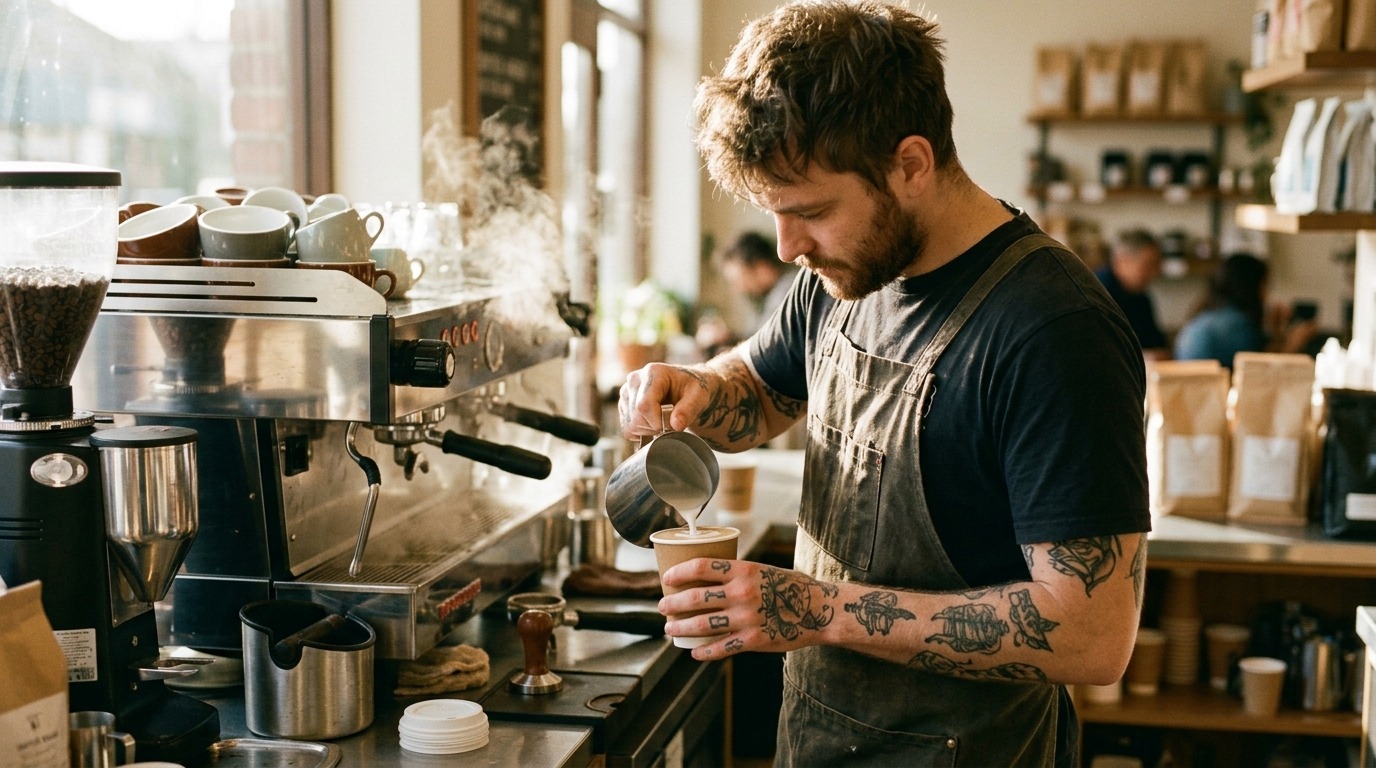
Why buy a cafe or coffee shop?
What types of cafe can you buy?
How much does a cafe cost to buy in Australia?
How profitable is a cafe?
What should you check before buying a cafe?
How do you value a cafe?
Is it better to buy an existing cafe or start one from scratch?
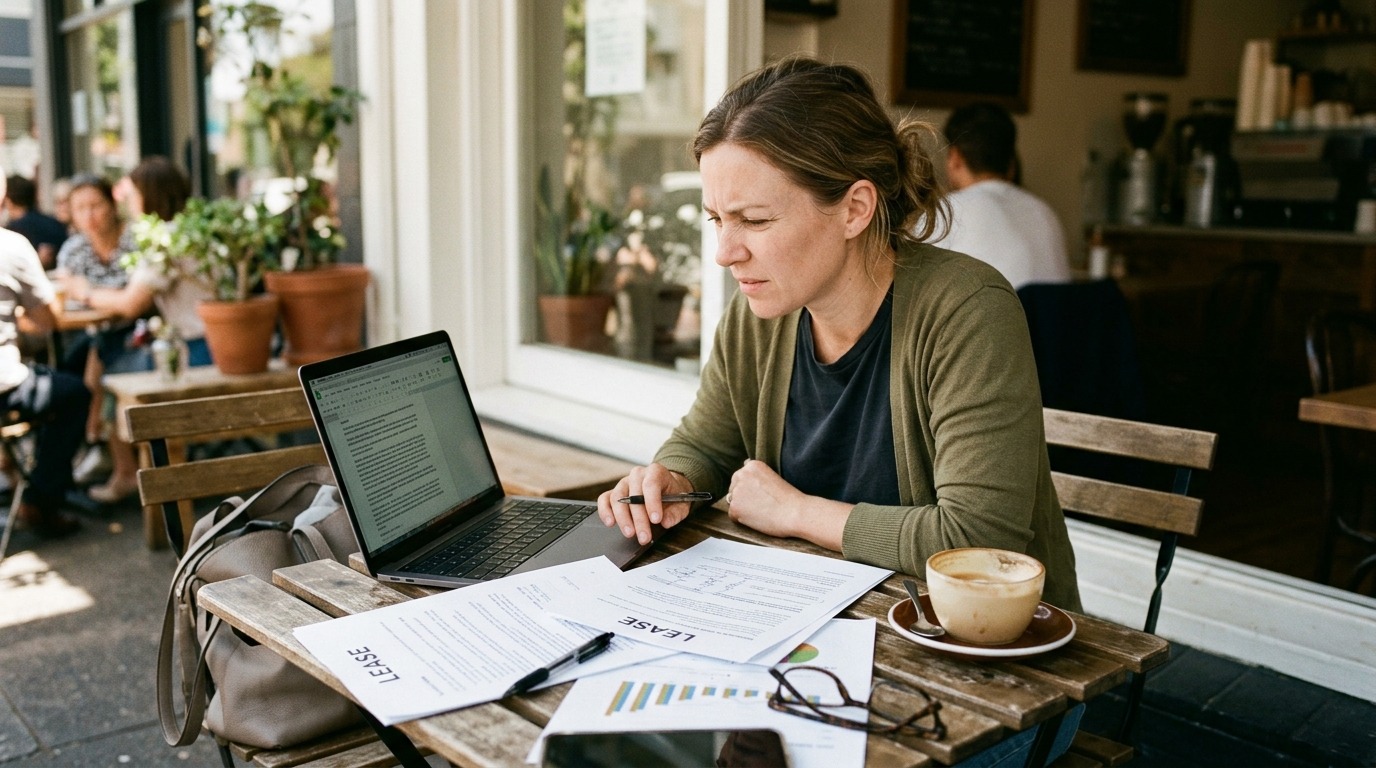
How do you buy a cafe in Australia?
Where can you find cafes and coffee shops for sale in Australia?
The bottom line
Frequently asked questions