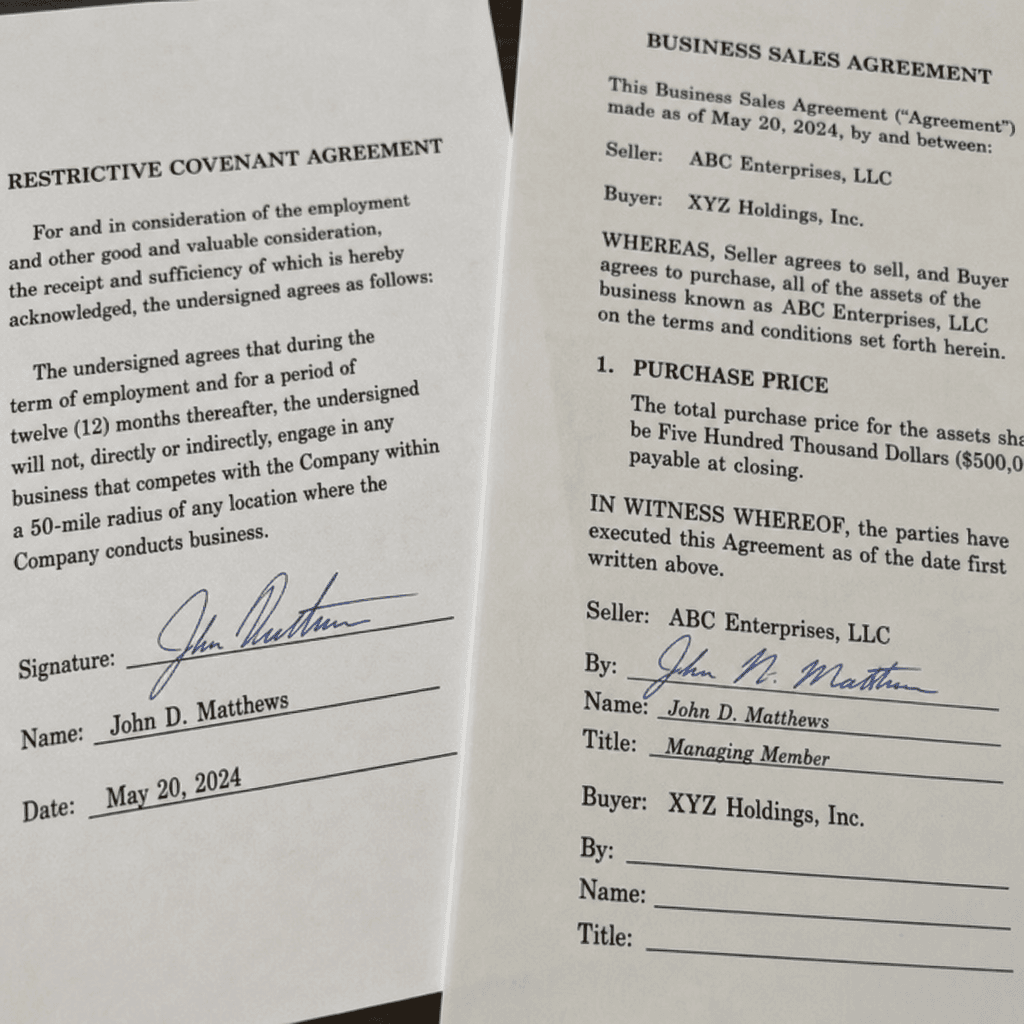
Buying or selling a company is one of the most complex, high-stakes financial transactions you will ever navigate in your professional life. Whether you are an entrepreneur looking to cash out after decades of hard work, or an investor seeking to acquire a competitor to expand your market share, the entire deal ultimately hinges on one critical document: the sales and purchase agreement for business. Often referred to simply as an SPA, this legally binding contract serves as the ultimate rulebook for your transaction. It outlines the precise terms, conditions, and mechanics of the transfer of ownership. However, an SPA is not just a receipt of sale; it is a complex mechanism designed to allocate risk, define financial obligations, and protect both parties long after the ink has dried. In this guide, we will break down the essential components of a robust business transfer, helping you navigate the legal and financial intricacies with confidence. If you’re actively looking at listings, you can browse verified businesses for sale on Exity and compare opportunities before you commit to a deal. Before you draft the final, hundreds-of-pages-long contract, the transaction typically begins with preliminary negotiations. It is vital to understand the difference between a letter of intent vs definitive agreement. A Letter of Intent (LOI) or term sheet acts as a roadmap for the deal. It outlines the broad strokes—such as the proposed purchase price and deal structure—before the expensive and time-consuming drafting of the final SPA begins. When reviewing an LOI, paying close attention to binding vs non-binding contract provisions is critical. While the proposed price in an LOI is usually non-binding, clauses regarding confidentiality, exclusivity (often called a "no-shop" clause), and governing law are typically strictly binding. Once the LOI is signed, the pathway is cleared to draft the actual business sale agreement, which will serve as the definitive contract that legally finalizes the transfer. If you’re weighing support options during this stage, see broker vs online marketplace for a clearer view of how each route affects negotiations and documentation. One of the first questions you must answer before drafting your company purchase agreement is exactly what is being sold. This brings up the classic debate of asset purchase vs stock purchase. Asset Purchase: The buyer cherry-picks specific assets (equipment, customer lists, intellectual property) and leaves behind unwanted liabilities. Buyers generally prefer this structure because it limits their exposure to the seller's past mistakes and offers excellent tax depreciation benefits. Stock Purchase: The buyer acquires the seller's shares directly, stepping into the shoes of the previous owner. You inherit the entire entity—including all its assets, historical liabilities, and legal obligations. Sellers usually prefer this for its simplicity and favorable capital gains tax treatment. Your choice here will fundamentally dictate how your business sales agreement contract is structured, drafted, and executed. While the headline purchase price is what makes the news, the true financial impact of a deal is buried in the detailed mechanics of the sale of business contract. The exact way money changes hands requires careful negotiation. A business is a living, breathing entity, meaning its bank accounts and inventory fluctuate daily. To account for this, the SPA will include a working capital adjustment mechanism. This provision ensures that the seller leaves enough liquid assets (cash, inventory, short-term receivables) in the business to keep the lights on and operations running smoothly on day one post-closing. If the working capital falls short of a pre-agreed target, the purchase price is reduced; if there is an excess, the seller gets a bonus. Furthermore, smart dealmakers pay close attention to the purchase price allocation for tax benefits. By legally agreeing on how the total purchase price is divided among various asset classes (such as equipment, goodwill, and real estate), both the buyer and the seller can optimize their respective tax liabilities. Sometimes, the buyer and seller simply cannot agree on what the company is worth today. Understanding how to negotiate earn-out provisions can save a dying deal. An earn-out allows the seller to receive additional future payments based on the company hitting specific financial milestones (like revenue or EBITDA targets) post-sale. If you need a practical grounding in valuation before negotiating, start with business valuation in Melbourne for a restaurant, then apply the same principles to your business type. Because unexpected liabilities can pop up after the deal closes, buyers rarely hand over 100% of the cash on closing day. Instead, they will utilize an escrow account for business acquisition. A neutral third party holds a percentage of the purchase price (often 10% to 20%) for a set period—usually 12 to 18 months—to ensure funds are available if the seller breaches any part of the agreement. For sellers preparing their numbers, it can also help to run a valuation first using Exity’s valuation tool (manual). The bulk of any company sale agreement is dedicated to managing risk. Once the keys are handed over, who is responsible if a hidden lawsuit emerges or if the primary supplier suddenly terminates their contract? The foundation of risk allocation lies in the representations and warranties in M&A (Mergers & Acquisitions). These are statements of fact made by the seller regarding the current state of the business. Common representations include guarantees that taxes are fully paid, inventory is sellable, and no pending litigation exists. Because no business is perfect, sellers protect themselves by fulfilling disclosure schedules requirements. These are heavily detailed attachments to the SPA where the seller lists exceptions to the warranties. For example, a seller might state, "The company is not involved in any litigation—except for the slip-and-fall lawsuit listed on Schedule 4.1(a)." Proper disclosure shifts the risk of that specific item to the buyer. If a representation turns out to be false, the buyer relies on indemnification clauses and liability limits to recover their financial losses. Buyers want maximum protection, while sellers want limits (caps) and minimum thresholds (baskets) before they have to pay out. Additionally, buyers require a safety hatch between signing and closing. A clear material adverse change clause explanation is essential here: a MAC clause (or MAE - Material Adverse Effect) allows the buyer to legally walk away from the deal, without penalty, if a catastrophic event significantly damages the business's overall value before the closing date. Signing the sales and purchase agreement for business does not always mean the deal is done. Transactions often feature a delayed closing to allow parties to tie up loose ends. During a delayed close, the buyer and seller must satisfy specific closing conditions for small business sales. These are mandatory milestones that must be achieved before funds are transferred. Common conditions include: Securing landlord approval to transfer a commercial lease. Obtaining necessary regulatory approvals or licenses. Key employees signing new employment agreements. Finalizing third-party bank financing. Once the deal finally closes, the buyer needs absolute certainty that the seller won't immediately open a competing shop next door and steal all the clients. This is achieved by embedding restrictive covenants for business sellers directly into the agreement. These typically include non-compete clauses (preventing the seller from operating in the same industry/geography for a few years), non-solicitation clauses (preventing the poaching of employees or clients), and strict confidentiality agreements. Navigating an M&A transaction requires incredible attention to detail. A single ambiguous sentence can lead to years of litigation. Here are a few actionable tips to keep your deal on track: Never rely on generic templates: It is incredibly tempting to search online for a free business sale contract template to save on legal fees. Avoid this at all costs. Every business is unique, and boilerplate documents lack the specific risk-allocation mechanics required to protect you from industry-specific liabilities. Do your homework first: Do not sign an SPA without thoroughly completing a due diligence checklist for business buyers. This process involves deep-diving into the target company's financial statements, tax returns, employee contracts, and IT infrastructure. If you’re still early in the process, start with Exity’s guide on how to buy a business in Australia to make sure you’re sequencing your steps correctly. Watch out for common errors: Be highly aware of common pitfalls in business transfer documents. These often include poorly defined transition services (where the seller agrees to stay on and train the buyer but the exact hours and duties are left vague), ambiguous inventory valuation methods, and failing to secure intellectual property assignments from independent contractors. Align your team: Ensure your CPA, M&A attorney, and business broker are constantly communicating. If you’re deciding what kind of support you need, business brokerage firm breaks down what a brokerage typically does across the buy/sell process. Understanding the anatomy of a sales and purchase agreement is the most powerful tool you can bring to the negotiation table. It is far more than a simple bill of sale; it is the ultimate blueprint for your transaction. From choosing the correct deal structure and optimizing tax allocations, to negotiating earn-outs and setting up rigid indemnification clauses, every single word in the contract matters. Take the time to conduct thorough due diligence, hire experienced M&A professionals, and build a tailored agreement that aligns with your strategic goals. By treating the SPA with the respect and detailed attention it demands, you can confidently close the deal, mitigate your post-sale risks, and set the stage for a prosperous financial future. If you’re planning your next step with Exity, you can explore businesses for sale or sell a business, and reach out via Contact Us if you’d like help. Question: What is a Sales and Purchase Agreement (SPA), and how is it different from a Letter of Intent (LOI)? Question: Should I structure my deal as an asset purchase or a stock purchase? Asset purchase: The buyer selects specific assets (e.g., equipment, IP, customer lists) and can leave unwanted liabilities behind. Buyers favor this for liability protection and tax depreciation benefits. Stock purchase: The buyer acquires the seller’s shares and steps into the entire entity—assets, historical liabilities, and legal obligations. Sellers often prefer this for its simplicity and favorable capital gains treatment. Question: What financial mechanisms beyond the headline price should I expect in an SPA? Working capital adjustment: Ensures the business has sufficient day‑one liquidity (cash, inventory, receivables). If actual working capital is below the target, the price is reduced; if above, the seller receives an increase. Purchase price allocation (PPA): The parties agree how to allocate the total price across asset classes (e.g., equipment, goodwill, real estate) to optimize tax outcomes for both sides. Earn‑out: Used to bridge valuation gaps. The seller receives additional payments post‑closing if the business hits agreed performance targets (e.g., revenue or EBITDA). Escrow: A neutral third party holds back a portion of the price (often 10%–20%) for a set period (commonly 12–18 months) to fund potential claims if the seller breaches the agreement. Question: How does the SPA allocate and manage risk between buyer and seller? Representations and warranties: The seller makes factual statements about the business (e.g., taxes are paid, inventory is sellable, no pending litigation). Disclosure schedules: Detailed attachments where the seller lists exceptions to those warranties. Properly disclosing an issue (e.g., a specific lawsuit) shifts the risk of that item to the buyer. Indemnification: If a rep or warranty is untrue, indemnification provisions govern how the buyer recovers losses. Sellers typically negotiate liability limits (caps) and thresholds (baskets) before any payout is owed, while buyers push for broader, stronger recovery rights. Question: What must happen between signing and closing, and how is the business protected after closing? Pre‑closing: Deals with delayed closings include closing conditions that must be satisfied before funds move—such as landlord consent to assign a lease, needed licenses or regulatory approvals, key employee agreements, and finalizing third‑party financing. A Material Adverse Change/Effect (MAC/MAE) clause often gives the buyer a “walk‑away” right if a severe, unexpected event significantly harms the business before closing. Post‑closing: Restrictive covenants protect the buyer’s investment. These typically include non‑compete (no operating in the same industry/geography for a few years), non‑solicitation (no poaching employees or clients), and confidentiality obligations to safeguard sensitive information.
The Pre-Agreement Phase: Setting the Stage
Deal Structures: Choosing Your Path
Financial Mechanics: Beyond the Purchase Price
Adjustments and Tax Strategies
Bridging the Valuation Gap
Protecting the Funds

The Legal Safety Nets: Risk Allocation
Reps, Warranties, and Disclosures
Indemnification and Walking Away
Pre-Closing Hurdles and Post-Closing Obligations
Getting to the Finish Line
Protecting the Business Post-Sale
Actionable Tips for a Smooth Business Transfer
Conclusion
Q&A
Short answer: An SPA is the definitive, legally binding contract that governs the transfer of a business—it sets the terms, conditions, and mechanics of the deal, allocates risk, and protects both sides well beyond closing. An LOI (or term sheet) comes first and serves as a roadmap that outlines key deal points like price and structure before investing in a full SPA. In most LOIs, economics such as the proposed purchase price are non-binding, while provisions on confidentiality, exclusivity (no‑shop), and governing law are typically binding. Once the LOI is signed, the parties proceed to draft and negotiate the SPA.
Short answer: It depends on your goals and risk tolerance:
Your choice drives how the SPA is drafted, what liabilities transfer, and how the tax and operational details are structured.
Short answer: Several levers shape the real economics of the deal:
Short answer:
Short answer: