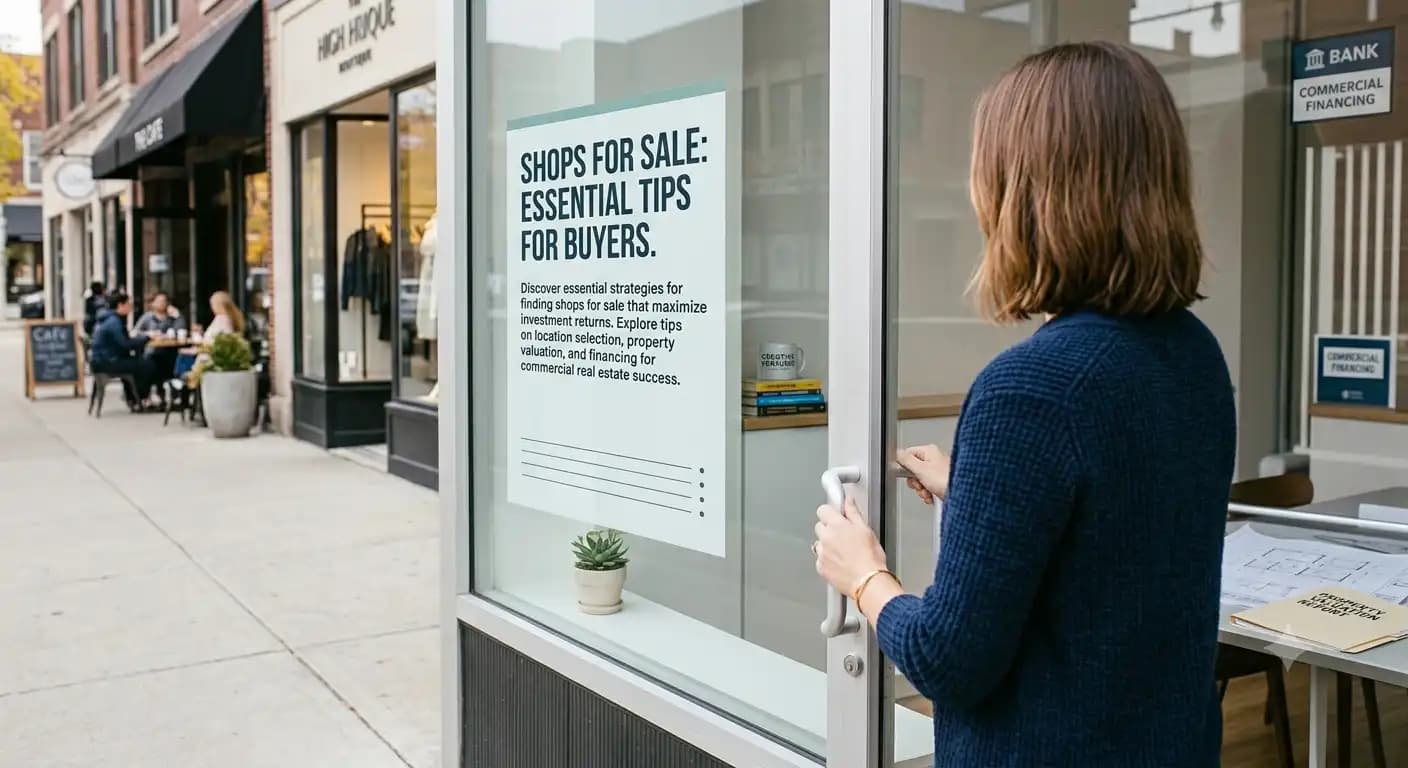
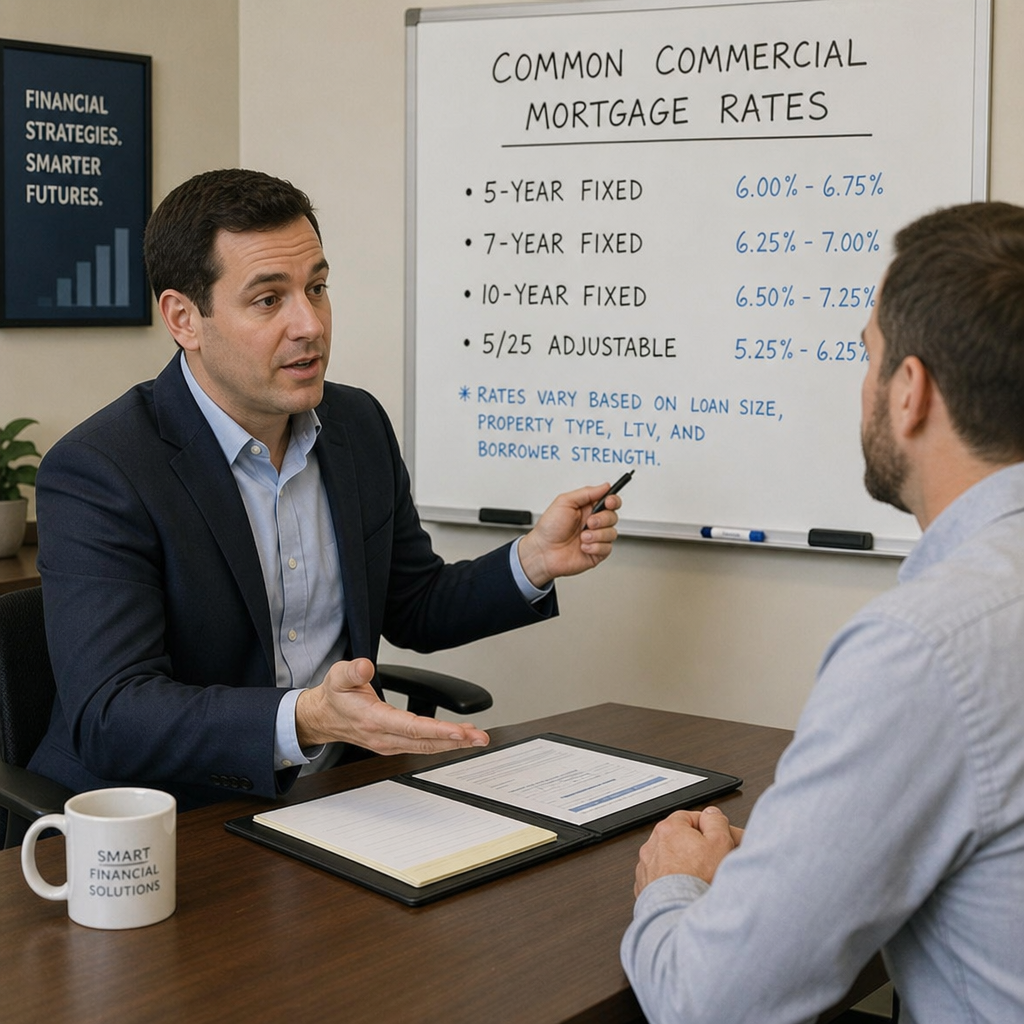
However, successfully navigating the commercial real estate market requires more than just capital; it demands strategic foresight. From browsing initial business listings to signing the final paperwork, every step must be carefully calculated. If you are currently looking at shops for sale, this comprehensive guide will walk you through the essential tips and actionable strategies you need to make a smart, profitable acquisition. One of the very first hurdles entrepreneurs face is deciding whether to rent or buy. The debate over leasing vs buying commercial space is as old as the industry itself, and there is no one-size-fits-all answer. Leasing offers flexibility and requires less upfront capital, making it attractive for unproven startups. However, small business premises acquisition provides undeniable long-term benefits. When you own your building, you build equity with every mortgage payment. You are also protected from unexpected rent hikes or eviction if a landlord decides to sell the building. Furthermore, owning the property gives you absolute creative control over the space, allowing you to modify the layout or storefront without needing third-party approvals. If your business model is proven and you plan to stay in the same location for five to ten years, buying is generally the superior financial strategy. (For a deeper look, see How to Buy a Business in Australia.) You have likely heard the real estate mantra "location, location, location." In retail, this cannot be overstated. A poor location can bankrupt a great business, while a prime location can elevate a mediocre one. When searching for a retail store for sale, your primary focus should be on visibility and accessibility. Prioritize Foot Traffic: You want to secure high foot traffic storefront locations. A steady stream of pedestrians passing your window display provides free daily marketing and naturally drives impulse walk-ins. Dive into Demographics: Finding the right spot requires analyzing local market demographics. You need to ensure the people living and working in the area align with your target customer base. Look at average household incomes, age distributions, and local spending habits. Research Specific Markets: Always tailor your search to your specific region. For example, if you are exploring opportunities in Melbourne, start with businesses for sale in Melbourne and compare suburbs side-by-side (such as CBD & Inner City). Take your time combing through business listings. Visit potential locations at different times of the day and week to get an accurate feel for the neighborhood's natural rhythm. Once you find a promising retail shop for sale , you need to determine if the asking price is fair. Understanding how to value a retail business location protects you from overpaying and ensures your capital is deployed efficiently. Valuation in commercial real estate typically relies on the Income Approach, which evaluates the property based on the income it can generate. Here are the key metrics to evaluate: Capitalization Rate (Cap Rate): This is the net operating income (NOI) divided by the property's purchase price. A higher cap rate generally indicates a higher potential return (but often comes with higher risk). Return on Investment (ROI): You must accurately forecast the return on investment for retail units. This includes factoring in your down payment, loan interest, property taxes, maintenance, and projected business revenue or tenant rent. Future Potential: Don't just look at what the property is worth today. Investigate the future appreciation of commercial real estate in the area. Are there new transit lines being built? Are major employers moving into the neighborhood? These macroeconomic factors will drive up your property's value over the next decade. If you need a structured starting point, you can also review options like a manual valuation to understand the inputs that commonly affect price expectations. Before making an offer, you must understand exactly what you are buying. In the commercial realm, the distinction between freehold vs leasehold retail properties is critical. Freehold: Purchasing a freehold property means you own the building and the land it sits on outright. This is the most complete form of ownership, offering maximum control and long-term security. Leasehold: If you buy a leasehold property, you own the building (or the right to occupy the space) for a set number of years, but you do not own the land beneath it. When the lease term expires, ownership reverts to the freeholder (landlord). While leaseholds are often cheaper upfront, freehold properties are generally the safer, more lucrative long-term investment. Buying commercial property is inherently riskier than buying a residential home. The principle of caveat emptor (buyer beware) applies heavily. Therefore, executing a rigorous retail property due diligence checklist is non-negotiable. When buying commercial retail property, ensure you tick off the following boxes before closing the deal: Zoning and Usage Laws: Never assume you can operate your specific business type just because the space looks like a shop. You must rigorously review commercial zoning regulations and permits. If you plan to sell food, alcohol, or make structural changes, ensure the local municipality permits it. For a general overview of permits and licences, see business.gov.au. Physical Inspections: Hire specialized commercial inspectors to evaluate the roof, HVAC systems, plumbing, electrical panels, and structural integrity. Commercial repairs are notoriously expensive; you don't want to buy a money pit. Environmental Assessments: Depending on the previous tenant (e.g., a dry cleaner or auto shop), you may need a Phase I Environmental Site Assessment to ensure there is no soil or groundwater contamination. Asset Agreements: If you are buying an existing business for sale along with the real estate, you will need a comprehensive retail business asset purchase agreement. This legal document dictates exactly which physical assets (shelving, inventory, point-of-sale systems) and intangible assets (customer lists, brand name) are included in the sale. If you’re deciding whether to use a broker or go direct, read Broker vs Online Marketplace. If you are struggling to find a standalone shop that fits your budget or risk profile, consider broadening your search. A mixed-use development investment is an incredibly smart alternative that has gained massive popularity in modern urban planning. Mixed-use properties combine commercial retail spaces on the ground floor with residential apartments or office spaces on the upper floors. For an investor or business owner, this offers built-in customers. The residents living upstairs will naturally patronize the convenience store, coffee shop, or boutique located in their own building. Furthermore, from an investment standpoint, having multiple streams of income (commercial rent plus residential rent) heavily insulates you against market downturns. Unless you are buying the property in cash, you will need to navigate the complexities of commercial financing. Unlike residential mortgages, which are highly standardized, commercial loans are tailored to the specific risk profile of the property and your business. Expect lenders to scrutinize your business plan, credit history, and the property's projected cash flow. You should familiarize yourself with common commercial mortgage rates, which are typically slightly higher than residential rates. Commercial loans also frequently feature shorter terms (such as 5, 10, or 15 years) and may include balloon payments at the end of the term. For broader rate context in Australia, you can track the Reserve Bank of Australia’s cash rate at rba.gov.au. Pro Tip: Work with a mortgage broker who specializes in commercial properties. They can help you shop around to find lenders that are specifically friendly to retail space acquisitions, ensuring you secure the most favorable interest rates and terms. The work does not stop once the ink dries on the contract. Effective management is what turns a good real estate purchase into a great one. Whether you are occupying the space yourself or leasing it out to another entrepreneur, implementing strong retail property management strategies is vital. If you are an owner-occupier, your management strategy should focus on preventative maintenance. Regularly servicing your HVAC unit and maintaining the building's exterior will save you tens of thousands of dollars in emergency repairs over the years. Keep the storefront pristine to attract foot traffic. If you are an investor who just bought a shop to lease out, tenant retention is your primary goal. Turnover is the enemy of ROI. Build strong relationships with your commercial tenants, respond to maintenance requests promptly, and ensure the lease agreements are clear, fair, and legally binding. Finding the right shops for sale requires patience, diligent research, and a strategic mindset. From deciding whether to buy or lease, to analyzing local demographics, navigating zoning laws, and securing financing, every step is a building block toward your long-term success. By utilizing a strict due diligence checklist, understanding property valuation, and preparing for the responsibilities of commercial property management, you significantly mitigate your risks. Commercial retail real estate remains one of the most tangible, rewarding avenues for building generational wealth and securing the future of your business. Whether you're comparing opportunities across businesses for sale listings or narrowing to a specific category like restaurants for sale or cafes for sale, approach each opportunity with the same diligence. Take your time, consult with professionals, and make your move with confidence. If you have questions about the process, browse the FAQ or contact us to discuss your next steps. Question: How do I decide whether to lease or buy a retail space? Question: What should I prioritize when choosing a retail location? Question: How do I know if a shops asking price is fair? Question: Whats the difference between freehold and leasehold retail properties? Question: What due diligence is essential before buying a shop? Helpful resources: If you’re checking registrations and tax basics during diligence, you can review business name guidance at asic.gov.au and GST basics at ato.gov.au.Stepping into the world of brick-and-mortar business ownership is an exciting milestone. Whether you are an entrepreneur looking to launch your first physical storefront, an established brand expanding its footprint, or an investor seeking reliable rental yields, purchasing a retail space is a significant financial move. While the rise of e-commerce has certainly transformed consumer habits, the demand for physical retail experiences remains robust. People still crave human connection, tactile shopping experiences, and instant gratification.
The Big Decision: Leasing vs Buying Commercial Space
Location is Everything: Finding the Perfect Spot

How to Value a Retail Business Location
Understanding Legal Structures: Freehold vs Leasehold
The Ultimate Retail Property Due Diligence Checklist
Exploring Mixed-Use Development Investment
Financing Your Commercial Real Estate Investment
Post-Purchase: Retail Property Management Strategies
Conclusion
Frequently Asked Questions
Short answer: Leasing offers flexibility and lower upfront costs, which is helpful for unproven startups. Buying becomes compelling once your business model is validated and you plan to stay put for 510 years. Ownership lets you build equity with each mortgage payment, shields you from rent hikes or unexpected eviction, and gives you full control to modify the space. If your location and model are stable, buying is generally the stronger long-term financial strategy.
Short answer: Focus on visibility, accessibility, and high foot trafficthese act as daily, low-cost marketing and drive walk-ins. Validate the areas fit with your target customer by analyzing local demographics (income, age, spending patterns), and tailor your search to the nuances of your market (e.g., a vibrant city center like Victoria vs. a quiet suburban strip). Visit potential sites at different times and days to understand the neighborhoods natural rhythm before committing.
Short answer: Use the Income Approach. Calculate the capitalization rate (cap rate = NOI purchase price) to gauge return vs. risk, and model your true ROI by including down payment, loan interest, taxes, maintenance, and expected business or tenant income. Dont stop at todays numbersevaluate future appreciation drivers like new transit projects or major employers moving in. Together, these inputs help you avoid overpaying and deploy capital efficiently.
Short answer: Freehold means you own both the building and the land outright, offering maximum control and long-term security. Leasehold gives you the right to occupy the space for a set term but not the land; when the lease ends, ownership reverts to the freeholder. Leaseholds often cost less upfront, but freeholds are typically safer and more lucrative over the long term.
Short answer: Verify zoning and permits to ensure your intended use (including any food, alcohol sales, or structural changes) is allowed. Commission thorough physical inspections of the roof, HVAC, plumbing, electrical systems, and structure to avoid costly surprises. Where relevant, order an environmental assessment (e.g., Phase I) to check for contamination from prior uses. If buying an operating business with the property, use a detailed retail business asset purchase agreement to specify exactly which physical and intangible assets are included. In commercial deals, caveat emptor appliesrigorous due diligence is non-negotiable.