
Searching for a business for sale is one of the fastest ways to step into entrepreneurship especially in a market like Melbourne, where customer demand, dense foot traffic corridors, and diverse precincts can make the right acquisition compelling. But buying an existing business is not simply "pay the price and take the keys." The smartest buyers treat it like a disciplined investment process: define your target, source opportunities, verify the numbers, stress-test the risks, negotiate deal protections, and prepare a 90‑day plan that preserves momentum after settlement.
If you're starting your search, it helps to browse a curated marketplace such as businesses for sale in Melbourne or use broader filters on Browse to compare industries, price points, and locations. Below is a buyer-focused guide to make better decisions, avoid expensive surprises, and improve your chances of buying a business that performs the way you expect.

1) Start with a clear acquisition thesis (what "good" looks like)
Before you inspect listings, decide what you are actually buying: cash flow, a strategic location, a team that runs itself, a brand with repeat customers, or a platform you can scale. Your "thesis" drives what you will pay for and what you will walk away from.
Owner-operator vs semi-managed: Are you buying yourself a job, or buying an asset? If you want minimal day-to-day involvement, prioritise listings similar to fully managed businesses in Melbourne.
Industry fit and risk tolerance: Hospitality can offer strong upside but higher volatility. If you're comparing venues, you might scan cafes for sale in Melbourne, restaurants for sale in Melbourne, or bars for sale in Melbourne to understand typical pricing and operating complexity.
Budget discipline: Set a maximum purchase price, plus realistic transaction costs and working capital. Many buyers start by shortlisting businesses under $500k to stay within a conservative funding envelope.
Melbourne's precinct dynamics also matter: the same business model can perform differently across the CBD/Inner City versus suburban strips. If geography is central to your thesis, compare listings such as CBD & Inner City, Eastern Suburbs, Northern Suburbs, and Western Suburbs.
2) Source deals intelligently (broker, marketplace, direct)
Good acquisitions are often "made" in sourcing. The more consistently you can review comparable opportunities, the faster you build pattern recognition around what is normal versus what is risky.
Marketplace efficiency: Online listings help you benchmark quickly. If you're weighing channels, read broker vs online marketplace to understand the trade-offs between guided processes and self-directed searching.
Broker-led opportunities: Brokers may bring pre-vetted listings and manage confidentiality. For context on what a brokerage actually does, see business brokerage firm.
Category research: If you're narrowing to a niche, explore category pages such as bakeries for sale in Melbourne, takeaway businesses for sale in Melbourne, or catering businesses for sale in Melbourne to see typical revenue claims, lease profiles, and fit-out expectations.
Whatever channel you use, expect to sign a confidentiality agreement (NDA) before the seller releases detailed financials, supplier terms, or staff information.
3) Treat commercial real estate as a core part of the deal
For many Melbourne acquisitions, especially hospitality the real value is a combination of trading performance and the premises: rent level, lease term, permitted use, and the ability to assign the lease to you. This is where commercial real estate becomes inseparable from the business itself.
Lease length and options: A "great" business with only a short remaining lease can become a negotiation trap. Aim for sufficient terms to recover your purchase price, plus options that are actually exercisable.
Rent review clauses: Understand fixed increases vs CPI vs market reviews, and when they occur. Model the impact on your margins over the next 3--5 years.
Make-good obligations: Know what you must restore at lease end. Make-good can be a silent, five-figure liability.
Assignment conditions: Many leases require landlord consent, personal guarantees, and sometimes additional security. Confirm the landlord's process early to avoid settlement delays.
In practical terms: do not "fall in love" with the fit-out until your solicitor has reviewed the lease and you have clarity on assignment, guarantees, and the true occupancy cost (rent + outgoings + insurance + maintenance).
4) Build a valuation model that you can defend
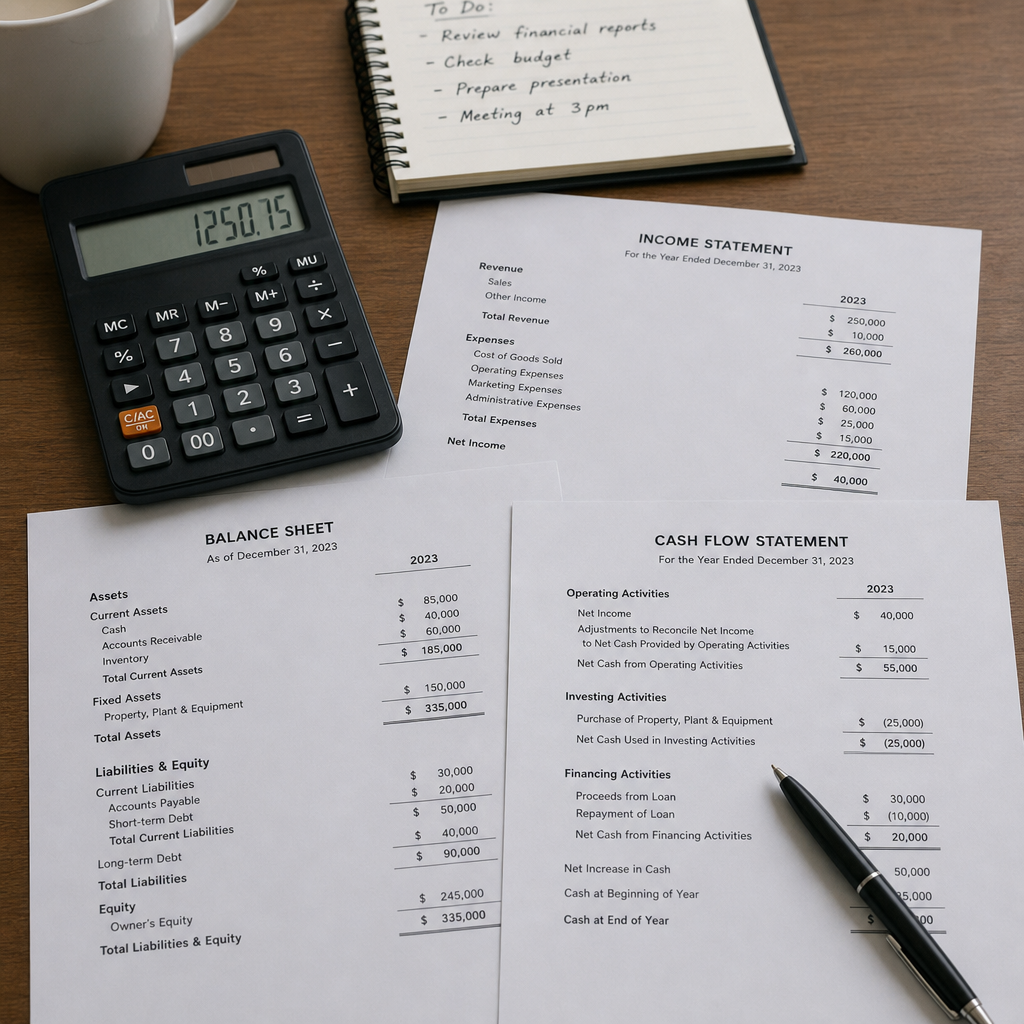
A purchase price should be supported by evidence and logic, not optimism. For most small to mid-sized transactions, valuation typically anchors on a multiple of seller's discretionary earnings (SDE) or EBIT/EBITDA, adjusted for reality.
Normalise earnings: Remove one-off expenses, non-recurring revenues, and owner-specific perks. Then stress-test the result (what happens if revenue drops 10%? If wages rise? If rent resets?).
Verify revenue quality: Compare POS reports to bank statements, merchant terminals, invoices, and BAS data where available. Beware of "cash-only" narratives that can't be substantiated.
Separate business value from working capital: Clarify whether stock, prepaid expenses, and cash are included or excluded at settlement, and how the "stock at value" will be counted.
If you're evaluating hospitality specifically, this valuation lens is critical see business valuation in Melbourne for a restaurant for industry-specific valuation considerations and common pitfalls.
5) Conduct due diligence like an investigator (not a fan)
Due diligence is where deals are saved or where bad deals are prevented. Your goal is to confirm that the business is what the seller says it is, and that the risks are acceptable at the price being paid. Where uncertainty remains, you negotiate protections (price reductions, holdbacks, special conditions) or you walk away.
Financial due diligence
Sales and margin: Review at least 2--3 years of financials where possible, but prioritise current trading (last 3--12 months). Reconcile sales to objective sources.
Costs that move with time: Wage rates, penalty rates, rostering efficiency, supplier price increases, delivery platform fees, utilities, and insurance can materially alter the profit you think you're buying.
Customer concentration: For B2B, check how dependent the business is on a few contracts. For online models, assess traffic sources and paid vs organic performance.
Legal and compliance due diligence
Licences and permits: Confirm required licences (for example liquor, food safety, council permits, signage approvals) and whether they transfer, need re-application, or require new inspections.
Employment: Review staff roster, pay rates, award coverage, leave liabilities, and contractor arrangements. Clarify who is transferring, and on what terms.
Supplier and equipment contracts: Identify contracts that can't be assigned, have penalties, or lock you into unfavourable terms.
Operational due diligence
Systems: POS, accounting, inventory controls, reservations, and SOPs if the business "runs on the owner's brain," your transition risk is high.
Condition of assets: Inspect equipment, maintenance history, and compliance certificates. A cheap purchase price can be wiped out by immediate capex.
Reputation: Read reviews, check social engagement, and look for issues the seller may not mention (recent staff turnover, quality drift, compliance complaints).
If you want a Melbourne-focused hospitality readiness check before you proceed, signs you should (or shouldn't) buy a hospitality business is a useful reality check.
6) Decide whether you're buying a franchise (and understand the rules)
A franchise can reduce "unknown unknowns" because the model, supplier network, training, and brand are established. But you are also buying obligations: fees, marketing levies, fit-out standards, and limited autonomy. If franchising is on your shortlist, compare franchises for sale in Melbourne and read franchise for sale to understand what documentation, disclosures, and operational constraints typically come with the package.
In franchise deals, pay close attention to transfer approvals, mandatory training, store refurbishment obligations, and renewal terms. What looks like a "stable business for sale" can hide a near-term capex requirement if a refit is due.
7) Structure the offer to protect you (and keep the deal moving)
In Melbourne deals, the strongest buyers are rarely the ones who simply offer the highest number; they are the ones who offer the best combination of price, certainty, and clean conditions. Your solicitor and accountant should help you translate due diligence risks into deal terms.
Use a staged process: Start with an indicative offer or letter of intent (LOI), then move to contracts once key items are verified.
Condition precedent: Typical conditions include satisfactory due diligence, finance approval, landlord consent to lease assignment, and transfer/approval of key licences.
Adjustments and holdbacks: If there's uncertainty around stock levels, equipment condition, or customer contracts, negotiate adjustments at settlement or a small holdback released after a defined period.
When sellers push for speed, keep one principle in mind: urgency is not evidence. You can move fast and still verify what matters provided you have a checklist and professional support.
8) Finance the acquisition realistically (and early)
Financing constraints often decide what you can buy and how aggressively you can negotiate. Start discussions with lenders or finance brokers early, and be transparent about the type of business, your experience, the lease profile, and your deposit.
Traditional lending: Banks may prefer businesses with stable, documented cash flow and strong financial records.
Vendor finance / earn-outs: Sometimes part of the price is paid over time, contingent on performance. This can align incentives, but only if the performance metrics are clear and verifiable.
Working capital: Don't overpay and then starve the business. Many buyers underestimate the cash required for wages, stock, marketing, repairs, and the "settlement hangover" period.
If you're specifically aiming for higher-quality cash flow businesses, browse profitable business for sale to calibrate what "profitability" should look like in listings and what questions to ask before you assume earnings are sustainable.
9) Plan the transition: goodwill handover is not automatic
Goodwill is fragile during ownership change. Customers notice changes in quality, opening hours, staff morale, and service speed. Build your transition plan before settlement, not after.
Training and handover period: Negotiate a documented handover schedule, including supplier introductions, system training, and procedures for recurring tasks.
Staff communication: Staff retention is often the difference between a smooth first 90 days and operational chaos. Prepare a clear message about stability, roles, and expectations.
Supplier continuity: Confirm trading terms, minimum orders, and credit terms. If supplier pricing changes after transfer, your "expected" margin can disappear overnight.
For café buyers, the operational nuances matter. Use how to buy a café in Melbourne as a practical guide to what to check before you commit.
10) Use internal resources to move faster and make fewer mistakes
Buying well is partly about information: knowing what to ask, what to verify, and how to interpret what you find. If you want additional guidance while you review businesses for sale, explore the Exity blog for buyer education, and keep key pages handy such as the FAQ for common process questions.
Start broad, then narrow: Begin with businesses for sale, then filter down into Melbourne or a specific category.
Match category to your goals: If you want a proven hospitality concept, compare cafes for sale and restaurants for sale to understand typical fit-out and staffing demands.
When you need help: If you want to discuss your criteria or a specific listing, use Contact Us to get pointed guidance.
11) Common red flags buyers should treat as deal-breakers (or price changers)
Some issues are negotiable; others are signals to pause. Here are patterns that frequently appear in underperforming or misrepresented listings:
"Trust me" financials: Claims that can't be reconciled to objective records.
Single-point failure: The owner is the only person who knows how to run key operations, manage relationships, or generate sales.
Lease fragility: Short remaining term, pending market rent review, or landlord reluctance to assign.
Deferred maintenance: Equipment near end-of-life or a fit-out that needs immediate refurbishment.
Unclear reason for sale: Not always sinister, but evasiveness can signal underlying issues.
In a competitive environment, it's tempting to rationalise red flags. A better approach is to turn each red flag into a quantified risk: "If this goes wrong, what does it cost?" Then decide if the price (and contract protections) actually compensate you for that risk.
12) If you're also thinking ahead to resale, buy like a future seller
Even if you plan to hold for years, a "buyable" business later is usually a "buyable" business now. That means documented systems, stable staff, diversified customers, clear compliance, and clean financials. If you ever intend to exit, start thinking about resale from day one—what upgrades, reporting, and operational improvements will make the business easier to sell and justify a higher multiple?
And if you want to understand the seller side (because it helps you negotiate with sellers), reviewing resources like sell a business and the valuation tool (manual) can give you insight into how owners frame value and what they may prioritise in negotiations.
Final thoughts
Melbourne offers a deep market of businesses for sale across hospitality, services, retail, and online models. The buyers who succeed are the ones who combine a clear thesis with rigorous verification: validate the earnings, secure the lease, confirm transferability of licences and contracts, and negotiate terms that reflect reality not best-case assumptions.
When you're ready to shortlist opportunities, start with businesses for sale in Melbourne and use internal resources like the guide on how to buy a business in Australia to keep your process structured from first enquiry through to settlement.
Q&A
What is an acquisition thesis and how does it shape what I buy (and pay) in Melbourne?
Short answer: Your acquisition thesis defines what “good” looks like before you browse listings. Decide if you want cash flow, a strategic location, a semi-managed team, a brand with repeat customers, or a platform you can scale. This drives your filters and valuation: choose owner-operator vs semi-managed (e.g., prioritise fully managed businesses if you want minimal day-to-day involvement), gauge your industry risk tolerance (hospitality can be higher upside and higher volatility), stay disciplined on budget (set a max price plus transaction costs and working capital many shortlist businesses under $500k), and factor in Melbourne precinct dynamics (the same model performs differently in the CBD/Inner City vs suburban strips). A clear thesis helps you know what to pursue, what to pay for, and what to walk away from.
Why is the lease often the make-or-break factor in Melbourne business purchases?
Short answer: In many Melbourne deals especially hospitality the business’s value is inseparable from the premises. Scrutinise lease length and real, exercisable options (you need enough runway to recover your purchase price), rent review clauses (fixed vs CPI vs market and their timing), make-good obligations (potential five-figure liabilities at lease end), and assignment conditions (landlord consent, personal guarantees, extra security). Model true occupancy cost (rent + outgoings + insurance + maintenance) over the next 3-5 years. Don’t fall in love with the fit-out until your solicitor has reviewed the lease and you’ve confirmed assignment and total costs.
How should I value a small business and verify the earnings?
Short answer: Anchor valuation on a defendable multiple of SDE or EBIT/EBITDA. First, normalise earnings by removing one-offs, non-recurring revenue, and owner perks, then stress-test scenarios (e.g., 10% revenue dip, wage/rent increases). Verify revenue quality by reconciling POS to bank statements, merchant data, invoices, and BAS where available—be wary of “cash-only” claims without evidence. Separate business value from working capital: clarify what’s included at settlement (stock, prepaid expenses, cash) and how “stock at value” will be counted. For hospitality, apply industry-specific checks and pitfalls highlighted in the referenced Melbourne valuation guide.
What are the must-do due diligence steps, and how can I protect myself in the contract?
Short answer: Investigate like an auditor, not a fan. Financial: review 2-3 years but prioritise current trading (last 3-12 months), reconcile sales, and assess costs that move with time (wages/penalties, supplier prices, delivery platform fees, utilities, insurance), plus customer concentration or traffic sources. Legal/compliance: confirm licences and permits (liquor, food safety, council, signage), employment terms and liabilities, and assignment limits in supplier/equipment contracts. Operational: evaluate systems (POS, accounting, SOPs), asset condition and compliance certificates, and online/offline reputation. Translate risks into deal terms: use an LOI then contracts, include conditions precedent (satisfactory due diligence, finance, landlord consent, licence transfers), and negotiate adjustments/holdbacks for stock, equipment, or contract uncertainties. Remember: urgency is not evidence.
How should I approach financing and the first 90 days to protect goodwill?
Short answer: Start finance conversations early and be transparent about the business type, your experience, the lease, and your deposit. Traditional lenders prefer stable, documented cash flow; consider vendor finance or earn-outs to bridge gaps only if performance metrics are clear and verifiable. Preserve working capital for wages, stock, marketing, repairs, and the “settlement hangover.” For the first 90 days, secure a documented training/handover (supplier introductions, systems, recurring tasks), communicate clearly with staff to retain key people, and confirm supplier continuity (terms, minimums, credit). Goodwill is fragile operational stability, consistent quality, and predictable service are your early wins.