Are you ready to step into the dynamic world of entrepreneurship? Whether you are a seasoned investor or a first-time buyer looking to be your own boss, exploring a business for sale australia victoria might just be your golden ticket. Victoria is recognized globally for its robust economy, diverse demographics, and thriving entrepreneurial culture. From the bustling laneways of Melbourne to the scenic routes of the Great Ocean Road, the state offers countless opportunities. However, when you decide to buy a business, the journey requires careful planning, deep research, and a clear understanding of local regulations. In this comprehensive guide, we will walk you through everything you need to know about navigating the businesses for sale market, assessing opportunities, and successfully acquiring a business in the Garden State. Victoria's economy is a powerhouse. It boasts a highly skilled workforce, world-class infrastructure, and a government that actively encourages innovation. When looking for a business for sale in melbourne victoria australia, buyers are often attracted to the city's rich culture, high population density, and consistent consumer spending. If your search is Melbourne-specific, start with businesses for sale in Melbourne and refine from there. Furthermore, the state provides an excellent safety net for entrepreneurs. By taking advantage of various Victorian government small business support programs, new owners can access grants, free mentoring, and workshops designed to ensure long-term sustainability. Whether you are looking at retail, hospitality, or B2B services, the foundational support available makes Victoria an incredibly attractive place to invest. When browsing businesses for sale, it helps to know which sectors are currently thriving. Victoria has several standout industries: Hospitality: Cafes, restaurants, and bars remain a staple of the Victorian lifestyle, particularly in Melbourne. You can explore cafes for sale in Melbourne, restaurants for sale in Melbourne, and bars for sale in Melbourne. Health and Wellness: Gyms, wellness retreats, and boutique fitness studios have seen a massive post-pandemic resurgence. Trades and Services: Plumbing, electrical, and commercial cleaning businesses offer excellent cash flow and recurring revenue. As you search for the perfect business for sale victoria , you must decide on the operational model that suits you best. You will need to weigh the pros and cons of franchising vs. independent business ownership in Australia. A franchise offers a proven system, brand recognition, and ongoing head-office support, which is excellent for beginners. If you want to explore this route further, browse franchises for sale in Melbourne and read our guide on franchise for sale. On the other hand, an independent business gives you complete creative control, no ongoing royalty fees, and the freedom to pivot your services as the market dictates. The marketplace can be overwhelming. One of the best ways to streamline your search is by finding a reputable business broker in Victoria . To understand your options, compare a broker vs online marketplace, and learn what to look for in a commercial business broker. A skilled broker will help you uncover off-market opportunities, negotiate terms, and find a Victorian business for sale that perfectly aligns with your budget and lifestyle goals. Once you find a potential target, the next critical step is valuing an established Victorian enterprise. If you want a practical example for hospitality, see our guide on business valuation in Melbourne for a restaurant. Valuation isn't just about looking at a single year's profit. You need to consider: EBITDA: Earnings Before Interest, Taxes, Depreciation, and Amortization. Add-backs: Expenses unique to the current owner (like a personal car) that won't apply to you. Tangible and Intangible Assets: Equipment, inventory, brand reputation, and customer databases. You have finally found an attractive business for sale in victoria australia. Before you sign any contracts, you must initiate the due diligence process. This is the period where you investigate every claim made by the seller. A comprehensive due diligence checklist for Victorian acquisitions should include legal, financial, and operational audits. For small businesses in Victoria priced at $350,000 or less, the seller is legally obligated to provide a specific financial document. Familiarizing yourself with Section 52 statement requirements Victoria is non-negotiable. This statement outlines the financial performance of the business over the last two accounting periods and must be signed by a qualified accountant. If a seller fails to provide this, or if it is inaccurate, you may have the right to walk away from the contract. Relying solely on the seller's word is a recipe for disaster. You must know how to verify Victorian business financial records. This involves: Cross-referencing Profit and Loss (P&L) statements with official ATO Business Activity Statements (BAS). Reviewing the last 3-5 years of tax returns. Checking bank statements to verify cash flow and sales deposits. Assessing payroll records to ensure staff are paid according to the correct legal awards. Acquiring a business means inheriting its legal framework. Navigating this successfully requires attention to detail. Different businesses require different licenses. It is vital to check Consumer Affairs Victoria licensing requirements to ensure the business is operating legally. For instance, if you are buying a real estate agency, a motor vehicle dealership, or a venue that serves alcohol, specific licenses must be successfully transferred to your name. If the business operates from a physical location, you are not just buying the business; you are taking on a lease. Understanding the steps to transfer a commercial lease in VIC is vital. You will need: Landlord Consent: The landlord must approve you as a tenant, which usually requires providing a business plan and proof of financial stability. Lease Review: Check for demolition clauses, rent review structures (CPI vs. fixed percentage), and the remaining term of the lease. Transfer of Lease Document: A formal legal document must be drafted and signed by the outgoing tenant, the incoming tenant (you), and the landlord. Do not let hidden fees catch you off guard. Budget for the legal costs for buying a business in VIC, which typically involve hiring a commercial solicitor to review the sale of business contract and lease agreements. Taxes are another major consideration. You need to understand the GST implications for Victorian business sales. In many cases, if a business is sold as a "going concern" (meaning it is fully operational and all necessary assets for operation are supplied), the sale may be GST-free. However, specific criteria must be met, and both parties must agree in writing. Furthermore, you should investigate potential business transfer duty exemptions Victoria. While duty on the transfer of some business assets (like goodwill and intellectual property) has been abolished in Victoria, duty may still apply if land or certain statutory licenses are included in the sale. Always consult with a registered tax agent. Victoria offers two distinct lifestyles for business owners: the bustling metropolis and the charming regional centers. Buying a small business in Melbourne offers the advantage of a massive customer base, high foot traffic, and exceptional networking opportunities. For example, you can start broad with businesses for sale in Melbourne, then narrow down by area like CBD & Inner City, Eastern Suburbs, Northern Suburbs, and Western Suburbs. However, it also comes with fierce competition, higher commercial rents, and a generally higher cost of living. Conversely, you might look further afield. While a regional lifestyle is appealing, you must be aware of the risks of buying a business in regional Victoria. These risks can include: Staffing Shortages: It can be harder to attract specialized talent in rural areas. Economic Reliance: Some regional towns rely heavily on a single industry (like agriculture or tourism). If that industry suffers, your business will too. Seasonality: Coastal towns may boom in summer but become ghost towns in winter. Despite these risks, a regional listing for a business for sale australia victoria often comes with lower overheads, incredibly loyal local customers, and a tight-knit community that enthusiastically supports local enterprise. Once due diligence is complete, finance is approved, and the lease is transferred, you move to settlement. The settlement process for Victorian business transactions is the final hurdle. During this phase: A final stocktake is conducted, usually the day before or the morning of settlement, to adjust the final purchase price. Employee entitlements (like accrued annual leave and long service leave) are calculated and adjusted against the purchase price. The balance of the purchase funds is transferred from the buyer's solicitor to the seller's solicitor. Keys, passwords, social media accounts, and operational manuals are handed over. Usually, the contract will stipulate an "assistance period" where the previous owner stays on for 1 to 4 weeks to train you, introduce you to suppliers, and ensure a smooth transition. Buying a business is one of the most rewarding financial decisions you can make, but it requires patience and precision. By conducting thorough due diligence, securing the right professional advice, and understanding the nuances of the Victorian market, you can mitigate risks and set yourself up for immediate success. Whether you pursue a business for sale victoria in Melbourne or a regional town, take your time, weigh your options, and soon you could be at the helm of Victoria's next great success story. When you’re ready to explore live listings, head to Browse or view businesses for sale. Question: Why is Victoria a strong place to buy a business? Question: Should I choose a franchise or an independent business in Victoria? Question: How do I value an established Victorian business? EBITDA: to gauge core operating performance. Add-backs: remove owner-specific expenses (e.g., personal car) to reveal true earnings. Tangible and intangible assets: weigh equipment, inventory, brand reputation, and customer databases. Question: What does due diligence involve in Victoria (including the Section 52 statement)? Question: What legal, lease, and tax steps should I plan for when buying in Victoria? Licensing and compliance: Confirm required licenses via Consumer Affairs Victoria (e.g., real estate, motor vehicle dealers, alcohol venues) and ensure they can transfer to you. Commercial lease transfer: Obtain landlord consent (often requires a business plan and proof of financial strength), review lease terms (demolition clauses, CPI vs fixed rent reviews, remaining term), and execute a formal transfer signed by the outgoing tenant, you, and the landlord. Costs and taxes: Budget for a commercial solicitor to review the sale contract and lease. If sold as a going concern, the sale may be GST-free (criteria apply and both parties must agree in writing). Transfer duty is abolished on some business assets (like goodwill and IP) but may still apply if land or certain statutory licenses are included—seek advice from a registered tax agent. If you’re also planning ahead for an exit, see sell a business and Sell Your Business. For quick answers about the process, visit our FAQ or Contact Us.
Why Invest in Victoria?
Top Industries and Business Models
The Business Model Debate

The Buying Process: From Search to Valuation
Getting Professional Help
Determining the True Value
Mastering Due Diligence
The Section 52 Statement
Verifying Financial Health

Navigating Legal and Regulatory Requirements
Licensing and Compliance
Taking Over the Premises
Financial and Tax Implications
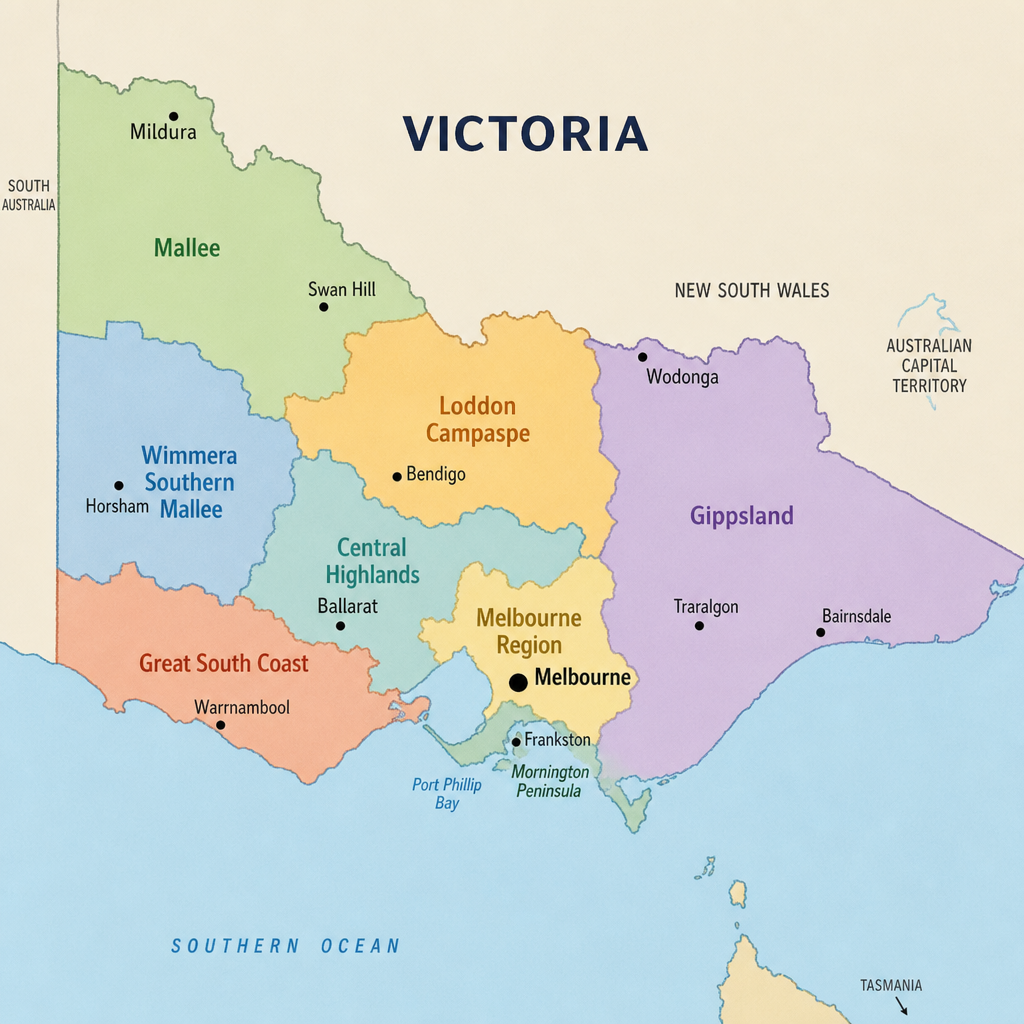
Metro vs. Regional: Where Should You Buy?
Closing the Deal: The Settlement Process
Final Takeaway
Q&A
Short answer: Victoria combines a robust, innovation-friendly economy with a skilled workforce and world-class infrastructure. Buyers are attracted to Melbourne’s dense population, rich culture, and steady consumer spending, and can tap into Victorian government small business support programs (grants, free mentoring, workshops). Thriving sectors include hospitality, health and wellness, and trades/services—offering diverse entry points for different budgets and skill sets. To compare categories quickly, browse cafes for sale, restaurants for sale, and Bars for sale.
Short answer: A franchise suits buyers who want a proven system, brand recognition, and ongoing head-office support—great for first-time owners. An independent business offers full creative control, no ongoing royalties, and the flexibility to pivot with market changes. Your choice depends on your risk tolerance, desire for autonomy, and how much structure and support you want from day one. If you’re weighing this up, start with franchises for sale in Melbourne and our franchise for sale guide.
Short answer: Look beyond a single year’s profit. Focus on:
Using these together gives a clearer picture of sustainable earnings and real asset value. For a hospitality-specific walkthrough, see business valuation in Melbourne for a restaurant.
Short answer: Due diligence spans legal, financial, and operational checks to validate the seller’s claims. For small businesses priced at $350,000 or less, the seller must provide a Section 52 statement (financial performance for the last two accounting periods, signed by a qualified accountant). If it’s missing or inaccurate, you may be entitled to walk away. Verify financials by cross-referencing P&Ls with ATO BAS, reviewing 3–5 years of tax returns, checking bank statements for cash flow and sales deposits, and confirming payroll compliance with relevant awards.
Short answer: