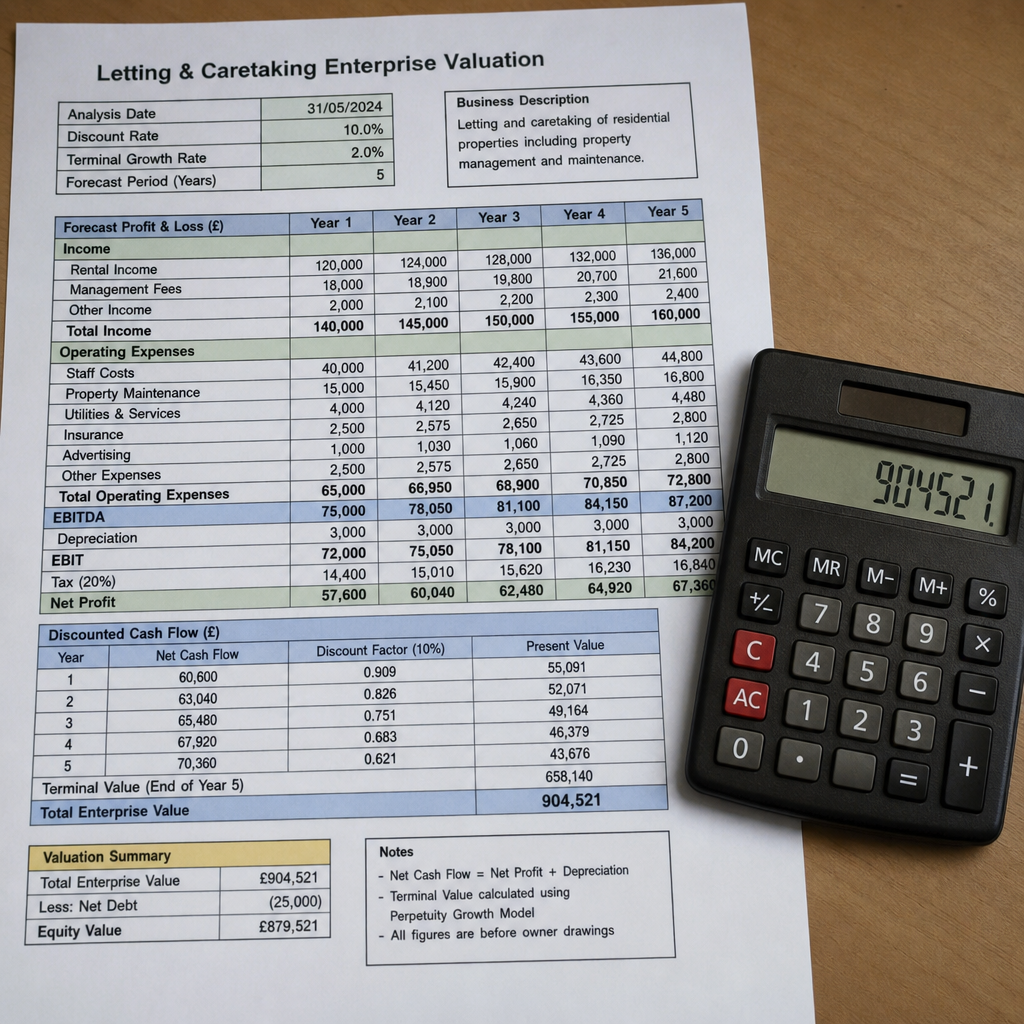
For most professionals, the "workplace" is a traditional office building, a retail store, or perhaps a home study. But for an onsite property manager, the workplace is an entire residential high-rise, a sprawling holiday resort, or a quiet townhouse community. In this unique environment, the business model that dictates how you work, earn, and operate is known as management rights. Whether you are an aspiring entrepreneur looking for a lifestyle change, a property investor, or a body corporate member wanting to understand how your building operates, understanding this industry is essential. This guide will walk you through everything from the daily operations of a resident manager to the financial mechanics of purchasing an onsite business. If you’re exploring opportunities in Australia more broadly, you can also Browse current listings on Exity. At its core, a management rights business provides an individual or a company with the legal right to manage a strata-titled complex. When you purchase this type of business, you are typically buying three distinct assets: Real Estate: The manager's residential unit (often accompanied by an office on title or exclusive use of an office space). The Caretaking Agreement: A contract with the body corporate to maintain the common areas. The Letting Agreement: The authorization to act as the onsite real estate agent for owners who wish to lease their units. To understand the foundation of this business, we must first ask: what is a caretaking agreement? Simply put, it is a legally binding contract between the onsite manager and the body corporate. It outlines the specific tasks the manager must perform to keep the common property clean, safe, and well-maintained in exchange for a fixed annual salary. The typical duties of a resident manager outlined in this agreement generally include: Mowing lawns and maintaining gardens. Cleaning communal areas such as lobbies, hallways, and BBQ areas. Maintaining recreational facilities like pools and gyms. Monitoring building security and enforcing by-laws. Coordinating external contractors for specialized repairs (e.g., elevator maintenance). Operating a business within a residential or resort complex means navigating complex legal frameworks. Strata title property laws dictate how multi-unit complexes are governed, ensuring that the rights of individual lot owners and the collective body corporate are balanced. As an onsite manager, your direct point of contact is the body corporate committee. Understanding body corporate committee responsibilities is vital for a harmonious workplace. The committee is responsible for making decisions on behalf of all owners, managing the sinking and administrative funds, approving maintenance budgets, and ensuring the onsite manager fulfills their contractual duties. When evaluating a business, the duration of body corporate service contracts is a critical factor. Depending on the local legislation (and whether the building operates under a standard or accommodation module), these agreements generally run for 10 to 25 years. A longer remaining term provides greater security and significantly increases the resale value of the business. The real financial upside of this business model comes from the letting agreement. This allows the manager to operate an onsite letting pool, renting out units on behalf of absentee owners. Depending on the location and zoning of the complex, you will deal with either short term vs long term letting agreements. Short-Term (Holiday Letting): Common in tourist hotspots. This involves high turnover, daily or weekly cleaning, and active marketing to holidaymakers. The profit margins are typically higher, but the workload is much more intense. Long-Term (Permanent Letting): Involves standard residential leases (usually 6 to 12 months). The turnover is lower, making the workload more predictable and stable. You might wonder about the onsite building manager vs external real estate agent dynamic. Why would an owner choose the onsite manager to let their property? The onsite letting pool advantages are numerous: Constant Vigilance: The onsite manager lives where they work, keeping a close eye on the tenants and the property. Immediate Response: If a pipe bursts at 2 AM, the onsite manager is already there. Better Maintenance: Onsite managers have a vested interest in keeping the entire building looking immaculate, which preserves the value of the individual units. For the manager, building a large, highly systematized letting pool is highly lucrative. While property management is an active job, implementing the right software and hiring reliable staff can create a highly efficient cash flow that almost mimics passive income from rent collection and management fees. The market for these businesses is incredibly active, particularly in Australia's eastern states. If you are browsing the market, you will likely see a high volume of listings for a management rights business for sale. If you’re comparing industries and locations, it can help to start with broad marketplaces like businesses for sale (or businesses for sale in Melbourne) and narrow down from there. Queensland is the undisputed capital of this industry. Consequently, a management rights for sale queensland (or management rights for sale qld ) search will yield everything from boutique townhouses in Brisbane to massive high-rises on the Gold Coast. If you are leaning toward the tourism sector, you might specifically look for resort and hotel management rights for sale or hotel management rights for sale . There is a diverse range of management rights for sale to suit different budgets and lifestyle preferences. If you are wondering how to buy a residential caretaking business, the process requires careful due diligence: Understand Licensing Requirements: You cannot legally collect rent without the proper qualifications. The licensing requirements for onsite managers generally dictate that you must hold a Resident Letting Agent (RLA) license or a full Real Estate Agent license, which requires completing specific training modules and passing background checks. If you have practical questions as you research, see the FAQ or Contact Us. Engage Industry Experts: Always use specialist lawyers, accountants, and brokers who work exclusively in this sector. If you’re weighing up whether to use an intermediary at all, read broker vs online marketplace. Conduct Due Diligence: Your accountant will verify the net profit, and your lawyer will scrutinize the caretaking and letting agreements. For a broader overview of the buying process, use this guide on how to buy a business in Australia. Valuing a letting and caretaking enterprise is entirely different from valuing a traditional small business or residential property. The real estate component (the manager's unit) is valued at current market property rates. However, the business component is valued based on its verified net profit multiplied by an industry-standard figure. Calculating business multipliers for unit complexes is the standard valuation method. For example, if a business generates $100,000 in net profit and the market multiplier is 4.5, the business component is worth $450,000. If you want a starting point for valuing a business before deeper due diligence, you can use the valuation tool (manual) and compare the approach with a real-world example like business valuation in Melbourne for a restaurant. Actionable Tip: Multipliers fluctuate based on location, contract length, the ratio of the caretaking salary to letting income, and whether the complex is permanent or holiday letting. Generally, high-net-profit permanent complexes command higher multipliers due to their stability. Like any workplace, a residential complex can be prone to conflict. An onsite manager must be part diplomat, part enforcer, and part tradesperson. Resolving disputes between onsite managers and owners (or the committee) requires excellent communication skills and a deep understanding of the contract. Disputes often arise over the standard of caretaking (e.g., "the gardens aren't maintained well enough") or perceived conflicts of interest in the letting pool. Establishing a transparent reporting system, such as providing the committee with monthly photographic maintenance reports, can stop disputes before they start. The stakes for maintaining a good relationship are incredibly high. If a manager consistently fails to perform their duties and ignores formal breach notices, the ultimate consequence is the termination of caretaking agreements for breach. If the body corporate successfully terminates the agreement, the business component essentially becomes worthless, leading to financial ruin for the manager. Adhering to the contract and maintaining a positive, professional relationship with the body corporate is the ultimate risk management strategy. Understanding management rights is about recognizing the unique intersection of real estate investment, property management, and small business ownership. For the onsite manager, the property is a dynamic, multifaceted workplace that offers both lifestyle benefits and significant financial rewards. Whether you are looking to purchase a quiet permanent complex in the suburbs or browsing hotel management rights for sale on a sun-drenched coastline, success in this industry comes down to mastering the dual roles of caretaking and letting. By understanding your legal obligations, fostering strong relationships with your body corporate, and running an efficient letting pool, you can build a highly profitable business within the very place you call home. And if you ever decide to exit or list a business, you can start with Sell Your Business or sell a business on Exity. Question: What exactly are “management rights” and what do you buy when you purchase them? Question: How do short-term and long-term letting differ, and why would owners choose the onsite manager over an external agent? Question: How are management rights businesses valued, and what affects the multiplier? Question: What licenses and steps are required to buy and operate a management rights business? Question: What can trigger termination of a caretaking agreement, and how can managers prevent disputes?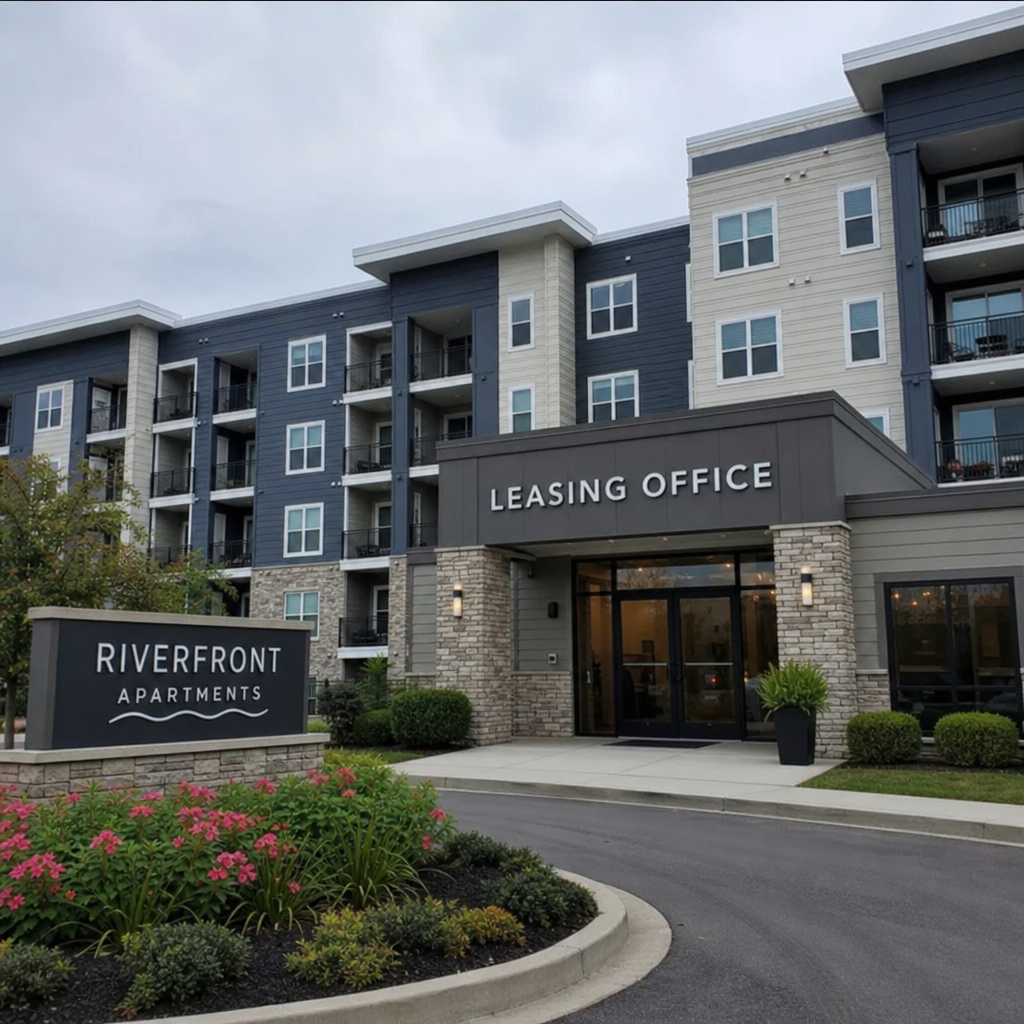
What Are Management Rights?
Unpacking the Caretaking Role
The Legal Framework: Strata Laws and the Body Corporate
Working with the Committee
Contract Durations

Operations: Letting Agreements and Maximizing Returns
Short-Term vs. Long-Term Letting
Why Owners Prefer the Onsite Manager
How to Buy and Value a Management Rights Business
Steps to Acquiring the Business
Valuing the Business
Navigating Challenges: Disputes and Terminations
Conclusion
Frequently Asked Questions
Short answer: You’re buying the legal right to manage a strata-titled complex, typically made up of three assets: (1) real estate, the manager’s unit (often with an office on title or exclusive use), (2) a caretaking agreement, a contract with the body corporate to maintain common property for a fixed annual salary, and (3) a letting agreement, the authority to act as the onsite agent for owners who choose to lease their units.
Short answer: Short-term (holiday) letting has higher turnover, frequent cleans, active marketing, and potentially higher margins but more intense workload; long-term (permanent) letting uses 6–12 month leases with lower turnover and more predictable operations. Owners favor the onsite manager for constant vigilance, rapid response to issues, and a stronger focus on building-wide presentation and maintenance, factors that help protect individual unit values.
Short answer: The manager’s unit is valued at normal market property rates. The business component is valued as verified net profit multiplied by a market multiplier. Multipliers vary with location, remaining contract term, the balance between caretaking salary and letting income, and whether the complex is permanent or holiday letting. Example: $100,000 net profit × 4.5 = $450,000 for the business component.
Short answer: You must hold the appropriate license (typically a Resident Letting Agent license or a full Real Estate Agent license) to legally collect rent. Then engage specialist lawyers, accountants, and brokers in this sector, and conduct thorough due diligence, verifying net profit and having the caretaking and letting agreements legally reviewed.
Short answer: Repeated failure to perform contracted duties and ignoring formal breach notices can lead to termination by the body corporate, potentially rendering the business component worthless. Prevent this by strictly adhering to the contract, maintaining professional relationships with the committee, and using transparent systems (e.g., monthly photographic maintenance reports) to evidence performance and resolve issues early.