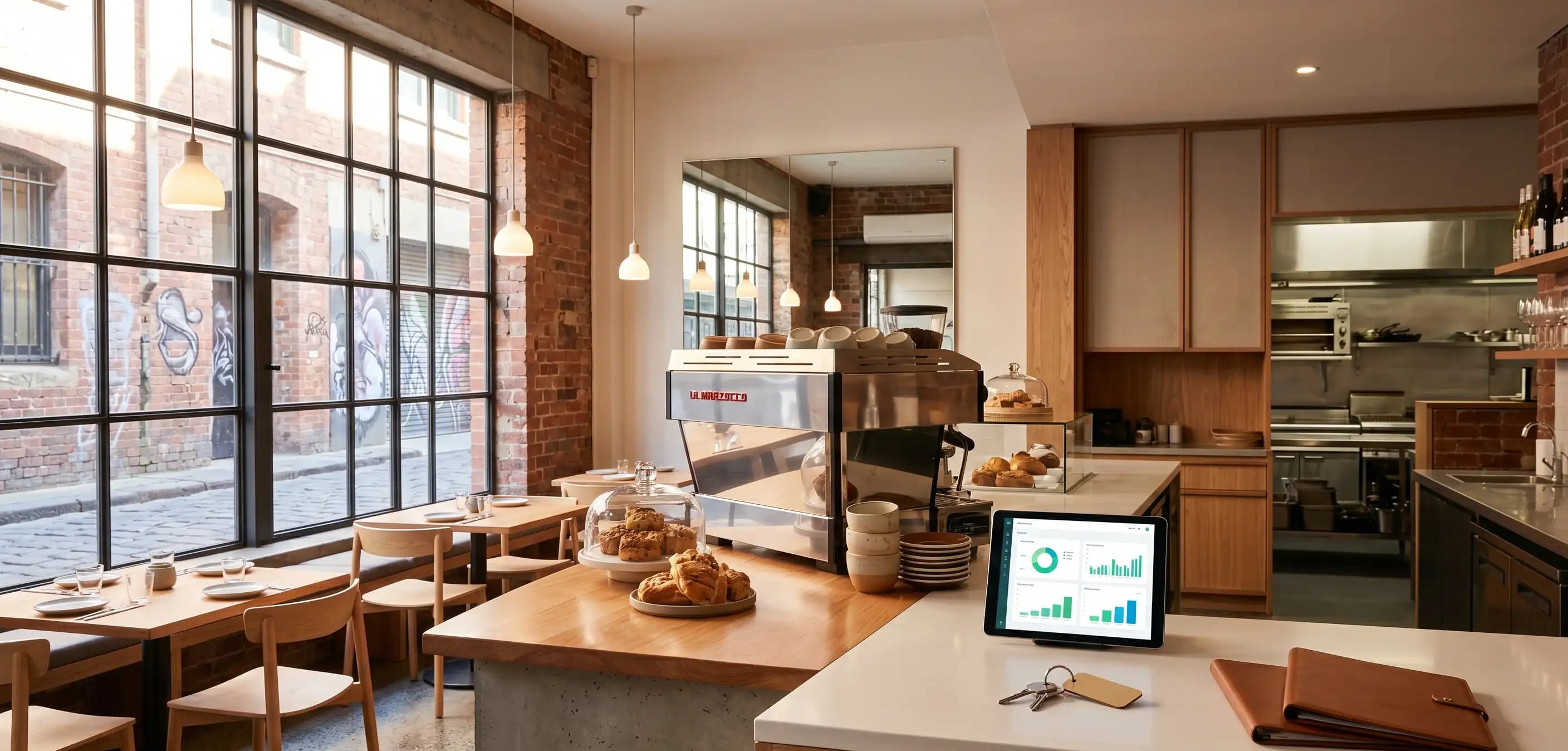
Melbourne’s hospitality scene is globally renowned. From the bustling laneway espresso bars in the CBD to the sprawling, brunch-focused cafes in Fitzroy and South Yarra, the city runs on coffee and culinary innovation. However, as a business owner, there comes a time when you might start thinking, "It is time to sell my cafe."
Whether you are looking to retire, move on to a new venture, or simply cash in on your hard work, selling a hospitality business in 2026 requires a strategic approach. Buyers are more discerning than ever, and the market is highly competitive.
In this comprehensive guide, we will walk you through exactly how to sell business Australia-wide, with specific tactics tailored to the Melbourne hospitality market. We cover everything from securing a precise business valuation to staging your cafe for listings, maintaining confidentiality, and navigating the legal handover.
Preparing to Sell: Assessing Your Business Value
The absolute most critical first step when deciding to sell restaurant Melbourne venues or local cafes is understanding exactly what your business is worth. You cannot simply pull a number out of thin air; buyers and their accountants will rigorously evaluate your financial health.
A proper business valuation looks at several key indicators. Here is a breakdown of what buyers look for:
|
Valuation Factor |
Description |
Impact on Sale Price |
|
SDE & EBITDA |
Seller’s Discretionary Earnings or Earnings Before Interest, Taxes, Depreciation, and Amortization. In 2026, multiples range from 1.5x to 3x. |
High – This is the baseline metric most buyers use to determine ROI. |
|
Lease Agreements |
A solid commercial lease with at least 3–5 years remaining, plus reasonable options for renewal. |
High – A short or volatile lease severely decreases your business's appeal. |
|
Tangible Assets |
Fully paid-off equipment (e.g., espresso machines, commercial ovens) and modern, compliant fit-outs. |
Medium – Reduces the buyer's immediate capital expenditure. |
|
Intangible Assets |
Brand reputation, loyal customer base, social media following, and proprietary recipes/menus. |
Variable – Highly influential for established, famous Melbourne spots. |
Pro Tip: To get an accurate, data-driven understanding of your venue's worth, use the Exity Valuation Tool. This allows you to benchmark your financials against real-time hospitality data in Victoria.
Listing Your Cafe: Photography, Descriptions, and Channels
Once you have a solid valuation, it is time to take your business to market. The way you present your cafe online dictates the quality of the inquiries you will receive.
Crafting a Compelling Listing
A great listing description sells a lifestyle and a financial opportunity simultaneously. When writing your listing, ensure you include the following:
· Weekly Coffee Kilos: The gold standard metric for Melbourne cafes.
· Financials: Average weekly revenue and net profit margins.
· Capacity: Seating capacity (indoor, outdoor, and parklet/curbside dining licenses).
· Licensing: Liquor license status (if applicable).
· Operations: Staffing structure (Is it under management or owner-operated?).
Choosing the Right Channels
Rather than getting lost in massive, generic directories, list where targeted hospitality buyers are actively looking. By listing your venue directly on the Exity Marketplace, your business is placed in front of vetted hospitality entrepreneurs. Check out our Browse Business page to see how premium listings are formatted to maximize buyer interest.
Marketing and Confidentiality
One of the biggest challenges when deciding how to sell business Australia-wide is maintaining confidentiality. If your staff, suppliers, or loyal local customers find out your cafe is for sale prematurely, it can cause panic.
How do you market your business effectively without exposing your identity? Let's compare traditional methods to modern digital platforms:
|
Feature |
Traditional Business Brokers |
Exity Online Marketplace |
|
Confidentiality |
Relies on the broker's discretion; blanket marketing can sometimes hint at your venue's identity. |
"Blind profiles" ensure absolute privacy. Buyers sign digital NDAs before seeing details. |
|
Cost / Fees |
Exorbitant commission fees, often up to 10% of the sale price. |
Transparent, lower-cost listing structures with zero hidden broker commissions. |
|
Target Audience |
Broad network, often generic business buyers. |
Highly targeted to vetted hospitality professionals and investors. |
|
Control |
Broker controls the narrative and timeline. |
You maintain complete control over your marketing and communications. |
Want to learn more about our secure, transparent ecosystem? Visit our About Us page to discover why Exity is the preferred modern alternative.
Negotiation and Closing the Sale
You have attracted a buyer, they have signed the NDA, and they love the Information Memorandum (IM). Now comes the crucial negotiation phase.
· Vetting Your Buyers: Ensure the buyer has the financial capacity. Ask for proof of funds or pre-approval for commercial finance.
· The Due Diligence Process: The buyer’s accountant will comb through your POS reports, BAS statements, payroll records, and supplier invoices. Absolute transparency here is key.
· Drafting the Contract of Sale: Engage a commercial lawyer specializing in Australian hospitality. The contract must outline handover dates, training periods, equipment warranties, and restraint of trade clauses.
Need assistance navigating the negotiation phase? Contact an Exity expert today to ensure you are legally protected.
Post-Sale Checklist
The ink is dry, and the settlement date is approaching. The final step to successfully sell restaurant Melbourne venues is executing a flawless handover.
Essential Handover Tasks:
· Lease Assignment: Ensure your landlord has officially approved the transfer of the lease to the new owner.
· Liquor License Transfer: Transfer your liquor license via the Victorian Commission for Gambling and Liquor Regulation (VCGLR).
· Supplier Handover: Introduce the new owner to key suppliers (coffee roasters, produce distributors).
· Digital Asset Transfer: Hand over admin rights for social media accounts, Google My Business, website domains, and POS software.
· Tax and Compliance: Cancel or transfer your ABN and business name via the Australian Securities & Investments Commission (ASIC). You must also consult the Australian Taxation Office (ATO) regarding Capital Gains Tax (CGT) concessions that apply to small business sales.
Frequently Asked Questions (FAQs)
· How long does it take to sell a cafe in Melbourne?
On average, it takes between 3 to 6 months to successfully sell a hospitality business from listing to settlement. Properly preparing your financials and utilizing an active marketplace can significantly reduce this timeline.
· Do I need a broker to sell my business in Australia?
No. With the rise of specialized online marketplaces like Exity, you can sell your business directly. This provides the tools, reach, and confidentiality frameworks you need while saving you thousands in broker commission fees.
· How much is my Melbourne restaurant worth?
It depends heavily on your net profit, lease strength, and asset value. Using an online valuation calculator or consulting an industry expert is the best way to get an accurate benchmark.
Ready to make your exit?
Get your free business valuation on Exity today to price your café right and
Start listing now
to connect with thousands of active buyers!