
Selling a business is rarely just a transaction. After the years you've poured into it, letting go can feel personal - and the process itself has plenty of moving parts, from tax and legals to finding the right buyer and handing over the keys.
The good news is that a well-run sale is far less stressful than most owners expect. It comes down to preparation, realistic timing and knowing which steps to take in what order. This guide breaks the whole journey into eight clear stages, written for Australian sellers and free of the usual jargon.
What we'll walk through:
Get clear on why - and whether - you're ready to sell
Get your business sale-ready
Work out what your business is worth
Choose how to sell: privately or with a broker
Sort out tax and legal early
Market your business and attract the right buyer
Negotiate the deal
Settle and transfer ownership

Step 1: Get clear on why - and whether - you're ready to sell
Before you put up a "for sale" sign, get honest about what's driving the decision. Are you retiring, relocating, chasing a new venture, or simply burnt out? Your reason shapes everything that follows - the deal structure, how hard you push on price, and whether you're willing to stay on for a handover period.
Selling is a genuine life event, not just a line in your bank statement, so give yourself room to sit with it. Two questions are worth answering upfront:
Are you financially ready for what comes next? Map out your position after the sale so you know the number you actually need to walk away with.
Is the timing right? Market conditions, your industry's outlook and your own life goals rarely line up perfectly. Sometimes waiting a year to tidy up performance yields a materially better price.
If you're still weighing it up, our overview of what to know when selling a business is a good gut-check before you commit.
Step 2: Get your business sale-ready
Here's the part most owners underestimate: the work you do before listing has the biggest single impact on both how fast you sell and what you get for it. Ideally, start preparing a full year out.
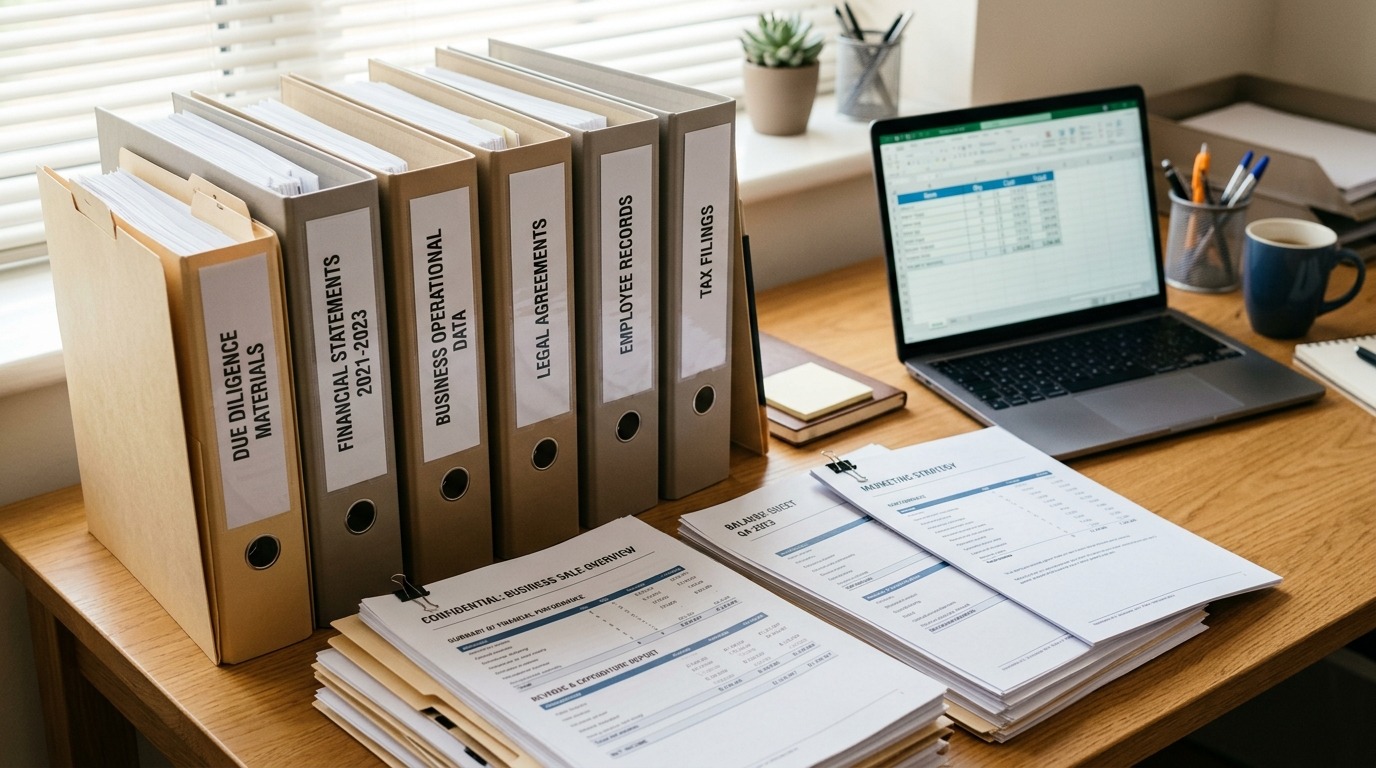
Tidy up the financials. Buyers scrutinise the numbers first. Have clean profit and loss statements, balance sheets, tax returns and up-to-date forecasts ready to go. Anything messy invites doubt — and doubt drives offers down.
Organise the paperwork. Pull together supplier accounts, the lease, insurance, asset registers, staff contracts and customer agreements into one place. When due diligence is easy, buyers stay confident and deals move faster.
Polish the presentation. Your premises and your online presence are the shopfront. A fresh coat of paint, repaired fittings, a clean website and current signage all quietly signal a business that's been well run.
Protect what's yours. Make sure trademarks, domains and any intellectual property are properly registered and documented, and put confidentiality agreements in place before you share sensitive details.
If you run a smaller operation, our guide to selling a small business in Australia covers the prep checklist in more depth.
Step 3: Work out what your business is worth
With your documents in order, you can put a realistic price on the business. Expect buyers to run their own numbers too, so having your figures ready is a real advantage.
There's no single formula. Most sellers blend a few approaches:
Market comparison - benchmark against recent sales of similar businesses to find the going rate.
Return on investment - buyers often frame price against the return they'll earn. A stronger, more reliable profit supports a higher multiple.
Assets plus goodwill - add up tangible assets, then account for intangibles like your brand, customer base and location.
Future earnings - if the business has clear growth ahead, that potential can be priced in.
Get a rough figure quickly with our free business valuation tool, and for a real-world illustration of how the methods combine, see our Melbourne restaurant valuation walk-through. For a formal figure, a certified appraiser or your accountant can validate the number before you go to market.
Step 4: Choose how to sell: privately or with a broker
Now decide who's running the sale - you, or a professional acting on your behalf.
Selling privately saves you the broker's commission and keeps you in full control. The trade-off is time: you'll handle the advertising, field every enquiry, screen buyers and coordinate your own advisers. It suits owners who have the hours and are comfortable steering the process.
Using a business broker hands the heavy lifting to someone who does this for a living. A good broker taps an existing buyer network, positions the business well and absorbs much of the stress - usually for an upfront fee and a commission on sale. The catch is cost and a little less day-to-day control.
Neither is "right" for everyone. Our comparison of a broker versus an online marketplace lays out the trade-offs clearly, and if you lean towards professional help, start with what a business broker actually does and how to find the right broker to sell your business.
Step 5: Sort out tax and legal early
This is the step that quietly makes or breaks a sale, and it needs to happen well before you're ready to sign. Loop in an accountant and a solicitor experienced in business sales as early as possible.
On tax, your accountant will help you plan around capital gains tax (CGT) and GST. Structuring matters - a share sale and an asset sale can produce very different outcomes, and restructuring often takes time to set up properly. Many small businesses qualify for CGT small business concessions through the ATO, but eligibility hinges on turnover and structure, which is exactly why early advice pays for itself. You'll also need to plan for cancelling GST registration, finalising employee payments and lodging your final returns.
On the legals, a solicitor drafts and negotiates the sale contract and flags risks before they become deal-breakers. The areas that most often cause delays - or send buyers running - are employee entitlements, lease assignment, key supplier contracts, PPSR security registrations and any deferred payment arrangements like earn-outs or vendor finance. Getting these documented correctly the first time is where experienced advice earns its keep.
Step 6: Market your business and attract the right buyer
On average, it takes around six to nine months to find the right buyer, so the sooner you present the business well, the sooner the right person finds it.
Start by picturing your ideal buyer. Are they a first-timer chasing a lifestyle change, a family looking for a hands-on venture, or an investor after a bolt-on? Once you know who you're speaking to, position the business around what they care about - flexibility, growth headroom, a loyal customer base, financial stability - and address any obvious concerns head-on rather than hoping they go unnoticed.
If you're listing yourself, a strong advertisement does a lot of the work:
Write a clear, specific title and description rather than something generic.
List it under the most relevant industry so the right buyers find it.
Add several good-quality photos.
Include a price. Listings marked "P.O.A." consistently draw fewer enquiries.
Fill in every field - gaps read as red flags.
You can list your business for sale on Exity and reach buyers already browsing current listings. Industry and location matter too - if you're in hospitality, our guides on selling a cafe or restaurant in Melbourne and selling a Melbourne hospitality business are worth a read, as are our tips for selling a business in Adelaide.

Step 7: Negotiate the deal
When a serious buyer appears, negotiation begins - and this is where preparation earns its reward. Buyers who trust your figures negotiate faster and closer to your asking price, so keep due diligence transparent and answer questions openly.
Beyond the headline price, be ready to discuss the deposit, settlement period, what's included, and any transition or handover you'll provide. Stay flexible on the details that don't cost you much and firm on the ones that do.
Have your solicitor review every version of the contract to keep it legally sound, and lean on your accountant to confirm the financials stack up before anything is signed. A calm, well-advised seller almost always ends up with a better deal than an anxious one going it alone.
Step 8: Settle and transfer ownership
You've found a buyer and agreed terms - now for a clean handover. Settlement (sometimes called "completion") means signing the contract, receiving the purchase price and working through the transfer steps set out in the agreement. The business.gov.au selling checklist is a handy way to make sure nothing slips through.
A few things deserve real attention here:
Employees. Communicate early and honestly about the transition, and handle entitlements and transfers in line with employment law.
Lease and contracts. Assign the lease and transfer key supplier and utility accounts so the buyer can trade from day one.
Your obligations. Cancel or transfer registrations, settle final tax and GST matters, and close out anything left in your name.
Then comes the part that surprises a lot of owners: the emotional full stop. Give yourself space to acknowledge the milestone, and have a plan for what's next.

Ready to sell?
Selling a business takes genuine effort, but it's far more manageable when you tackle it in the right order: get ready, get valued, choose your path, sort the tax and legals early, market with intent, negotiate calmly and hand over cleanly. Preparation is the thread that runs through all of it - the more organised you are, the smoother the sale and the stronger the price.
When you're ready to take the first step, you can start selling your business with Exity and put it in front of buyers who are actively looking right now.
This article is general information only and isn't financial or legal advice. Always consult a qualified accountant and solicitor before selling a business