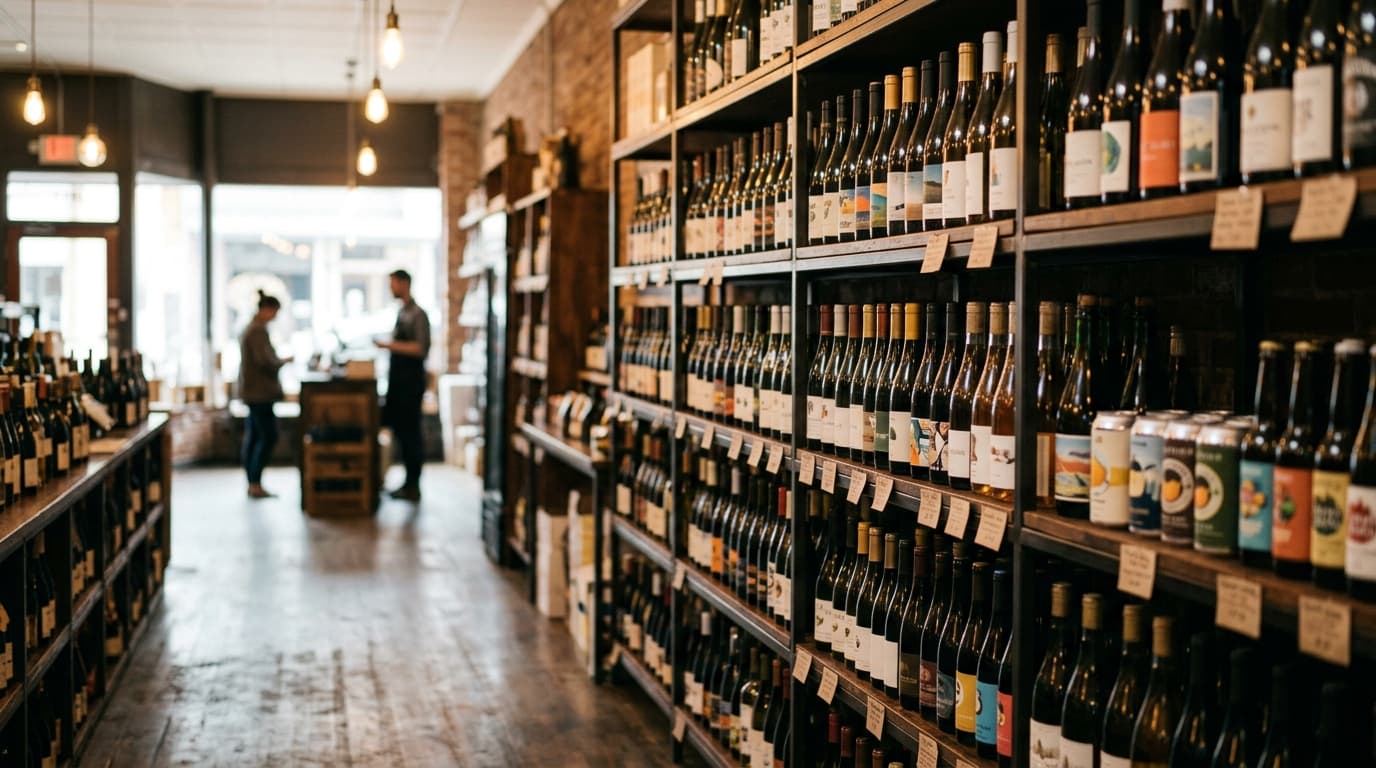
Liquor stores and bottle shops are a popular, defensively-positioned business to buy in Australia, with steady demand and dependable repeat custom. Prices range from around $58,000 for a small suburban bottle shop to $1.5 million or more for a large metropolitan store, with stock (SAV) added on top, which can be substantial. The single most important factor when buying one is the liquor licence, because it must transfer to you and the licensing authority must approve the new owner, a process that can take time and includes probity checks. A bottle shop can be a reliable, volume-driven business that benefits from the alcohol industry's marketing and from demand that holds up in most economic conditions. But the licence, the lease, the stock value and competition from the major chains all shape whether a store is a good buy. This guide covers what liquor stores cost, how profitable they are, how the licence works, and exactly what to check before you buy. Liquor stores and bottle shops appeal to buyers because alcohol enjoys steady, defensive demand that holds up well even in tougher economic times. They generate dependable, repeat custom, benefit from the heavy marketing budgets of the alcohol brands they stock, and often require little advertising of their own when well located. It is a volume-driven retail business with reliable cash flow. The appeal is consistency. A well-placed bottle shop with good parking and visibility draws regular customers almost automatically, and demand is far less discretionary than many retail categories. You also piggyback on the brand advertising that drinks companies fund, which pulls customers to your shelves. Bottle shops feature among the steadier options in our guide to the most profitable businesses to buy. You can buy a bottle shop two ways: as part of a branded banner group, such as Thirsty Camel, Cellarbrations, The Bottle-O or IGA Liquor, or as a fully independent store. A branded store gives you buying power, a recognised name and marketing support in exchange for ongoing fees, while an independent store offers full control and no banner fees but less negotiating power on stock. The right choice depends on your budget and how much support you want. The trade-off is similar to any franchise decision. A banner group improves your buying power against the major chains and brings customers through a known brand, which matters in a competitive market, but you pay for it and follow the group's rules. An independent store keeps all the profit and full control, but you negotiate stock on your own. Our complete franchise buying guide covers what to expect from a banner or franchise arrangement. Liquor store prices in Australia vary widely by size, location and turnover. A small suburban bottle shop can start around $58,000 to $170,000, a mid-sized store typically costs $170,000 to $460,000, and a large metropolitan or supermarket-attached store can reach $1.3 million to $1.5 million or more. Stock at Valuation is added on top of the sale price and can be significant, since liquor inventory is valuable. Price tracks turnover, location and profit. A busy main-road store with strong weekly sales commands a premium, while a quiet suburban shop sells for less. Remember that the stock (SAV) is a real, often large, additional cost at settlement, so budget for it. Browse current businesses for sale or, for smaller stores, businesses under $500k, and because larger stores are a significant purchase, see our business loans guide and our guide on how much it costs to buy a business. Bottle shops typically run gross margins of around 20 to 30 percent, which is lower than many retail categories because alcohol is a competitive, relatively low-markup product. Net profit is lower again and depends heavily on volume, rent and buying power. Profitability comes from steady, high-volume sales and tight cost control rather than high margins on each bottle, which is why location and turnover matter so much. This is the key to understanding bottle shop economics. You make money by selling a lot at a modest margin, so a busy, well-located store with strong weekly turnover is far more valuable than a quiet one, even with similar floor space. Branded buying power can improve margins, and add-on categories like tobacco or convenience lines can help. Always judge a store on its verified net profit and weekly turnover, not the headline margin. The liquor licence is the most important part of buying a bottle shop. To sell packaged alcohol you need a packaged liquor licence, and when you buy a store, that licence must be transferred to you with the approval of your state or territory licensing authority. Approval includes probity and character checks on the new licensee, and you and your staff will need Responsible Service of Alcohol (RSA) certification. This process takes time and should be factored into settlement. Never treat the licence as a formality. The sale depends on the licence transferring successfully, so confirm the licence is current and in good standing, understand the transfer process and timeframe in your state, and make the purchase conditional on licence approval. Licensing rules vary by state and territory, so get advice from a solicitor experienced in liquor licensing early. In some cases a liquor licence can even be bought or sold separately from a store, which is a specialist area worth professional guidance. Before buying a liquor store, confirm the liquor licence is current and transferable, verify the income and weekly turnover against records, check the lease and rent, value the stock accurately, and assess the location, parking and nearby competition from major chains. Because the licence and the stock are both critical and costly, these need careful, professional checking alongside the usual financial due diligence. The key due-diligence points: Liquor licence. Confirm it is current, in good standing and transferable, and make the sale conditional on licensing approval. Verify the income. Cross-check weekly turnover and net profit against tax returns, BAS and bank records. Lease and rent. A long, secure lease with reasonable rent is essential for a volume business. Stock (SAV). Agree how the stock is valued and paid for, as it adds significantly to the price. Location and competition. Assess visibility, parking, foot or drive-by traffic, and nearby chains like the major retailers. For the full process, follow our ultimate guide to buying a business in Australia, and for the retail side, our shops for sale guide. Liquor stores are usually valued on a multiple of their adjusted annual net profit, plus the value of the stock (SAV) and, where relevant, the licence. Because bottle shops are volume-driven, weekly turnover, the lease and the location strongly influence the figure, with busy main-road and branded stores commanding more. Verify the net profit and turnover carefully before relying on any valuation. Since the stock is a major, separately-valued asset, a bottle shop valuation combines the earnings multiple with the stock value at settlement. Verify the profit first, since the whole figure rests on it, and remember the SAV is paid on top. Run any asking price through our free business valuation tool, and see our full guide on how to value a business for the methods. To buy a liquor store, set your budget, shortlist stores, verify the income and the liquor licence, value the business and stock, then complete the purchase, usually as an asset sale covering the fit-out, stock, lease and licence rights, with the sale conditional on the licensing authority approving the licence transfer to you. Engaging a solicitor experienced in liquor licensing is essential. The steps in brief: Set your budget, including an allowance for stock (SAV). Shortlist stores and request the financials and licence details. Verify income and confirm the licence is current and transferable. Value the business and the stock, and arrange finance. Negotiate, make the sale conditional on licence approval, and complete with professional advice. You can find liquor stores and bottle shops for sale on marketplaces like Exity, where you can filter by price and location. Browse independent and branded stores, and focus on those with strong weekly turnover, a secure lease, a transferable licence and a good location with parking. Comparing stores across different suburbs often reveals better value and stronger trade. Start by browsing businesses for sale on Exity and filtering to your budget, or explore businesses under $500k for smaller stores. If you are comparing retail options, our guides to shops for sale and the best businesses to buy under $100k are useful reads. A liquor store or bottle shop can be a steady, defensively-positioned business to buy in Australia, with reliable demand and dependable cash flow. But it comes with specifics that matter: the licence must transfer with licensing approval, the stock is a significant extra cost, margins are volume-driven, and the major chains are strong competitors. Verify the income and the licence, secure a good lease and location, and buy a proven, well-stocked store at a fair price. Do that, and a bottle shop can deliver reliable returns for years. Ready to explore? Browse businesses for sale on Exity and filter by price and location to find a liquor store or bottle shop that fits your budget. How much does it cost to buy a liquor store in Australia? Prices vary widely by size, location and turnover. A small suburban bottle shop can start around $58,000 to $170,000, a mid-sized store typically costs $170,000 to $460,000, and a large metropolitan or supermarket-attached store can reach $1.3 million to $1.5 million or more. Stock at Valuation is added on top of the sale price and can be significant. Are bottle shops profitable in Australia? Bottle shops typically run gross margins of around 20 to 30 percent, lower than many retail categories because alcohol is competitive and relatively low-markup. Net profit is lower again and depends on volume, rent and buying power. Profitability comes from steady, high-volume sales and tight cost control rather than high margins per bottle, so location and turnover are key. Do you need a licence to buy a bottle shop? Yes. To sell packaged alcohol you need a packaged liquor licence, and when you buy a store, that licence must be transferred to you with the approval of your state or territory licensing authority. Approval includes probity and character checks on the new licensee, and you and your staff need Responsible Service of Alcohol (RSA) certification. The process takes time. How do you value a liquor store? Liquor stores are valued on a multiple of their adjusted annual net profit, plus the value of the stock (SAV) and, where relevant, the licence. Because bottle shops are volume-driven, weekly turnover, the lease and the location strongly influence the figure. Busy main-road and branded stores command more. Verify the net profit and turnover before relying on any valuation. What should I check before buying a bottle shop? Confirm the liquor licence is current and transferable and make the sale conditional on licensing approval, verify the weekly turnover and net profit against records, check the lease and rent, value the stock accurately, and assess the location, parking and competition from major chains. The licence and stock both need careful, professional checking alongside the financials.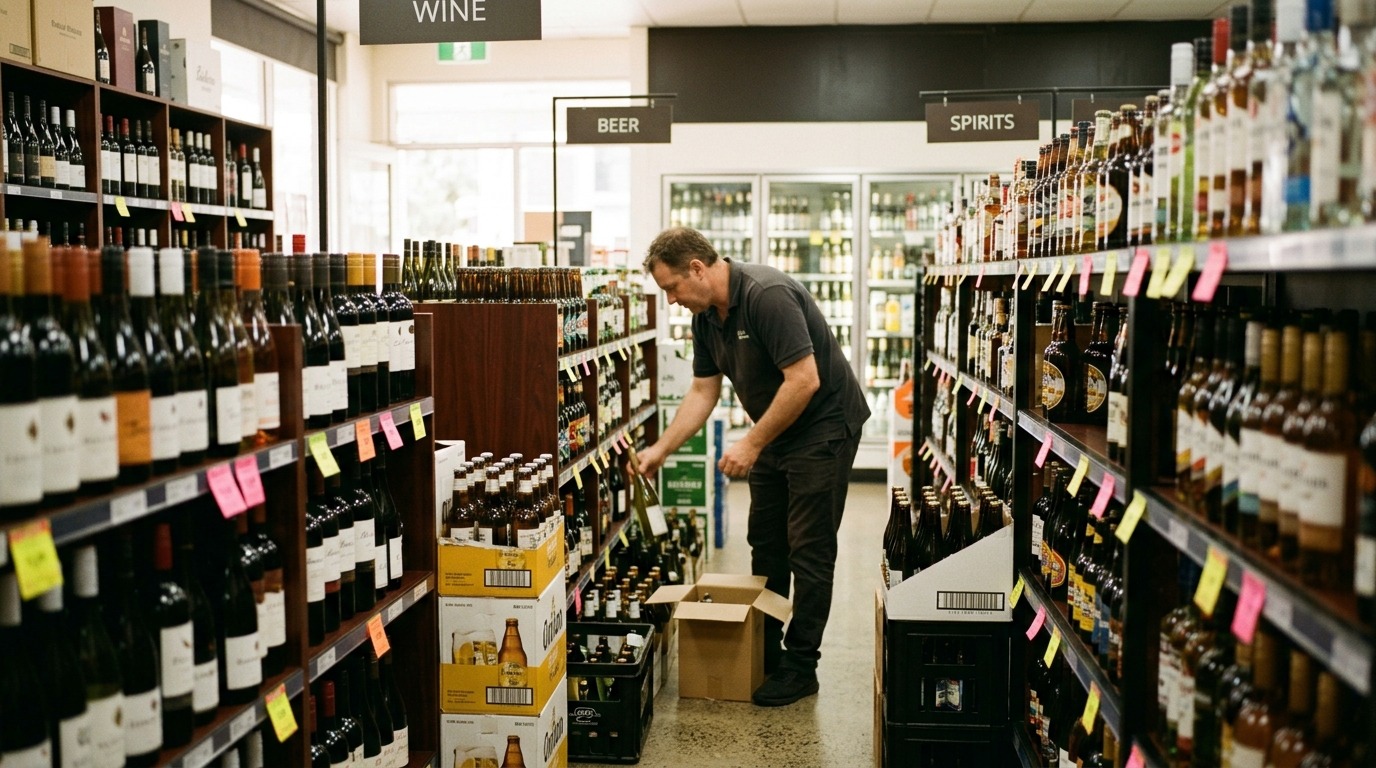
Why buy a liquor store or bottle shop?
Branded vs independent bottle shop: which should you buy?
How much does a liquor store cost to buy in Australia?
How profitable is a bottle shop?
What about the liquor licence?
What should you check before buying a liquor store?
How do you value a liquor store?
How do you buy a liquor store in Australia?
Where can you find liquor stores and bottle shops for sale in Australia?
The bottom line
Frequently asked questions