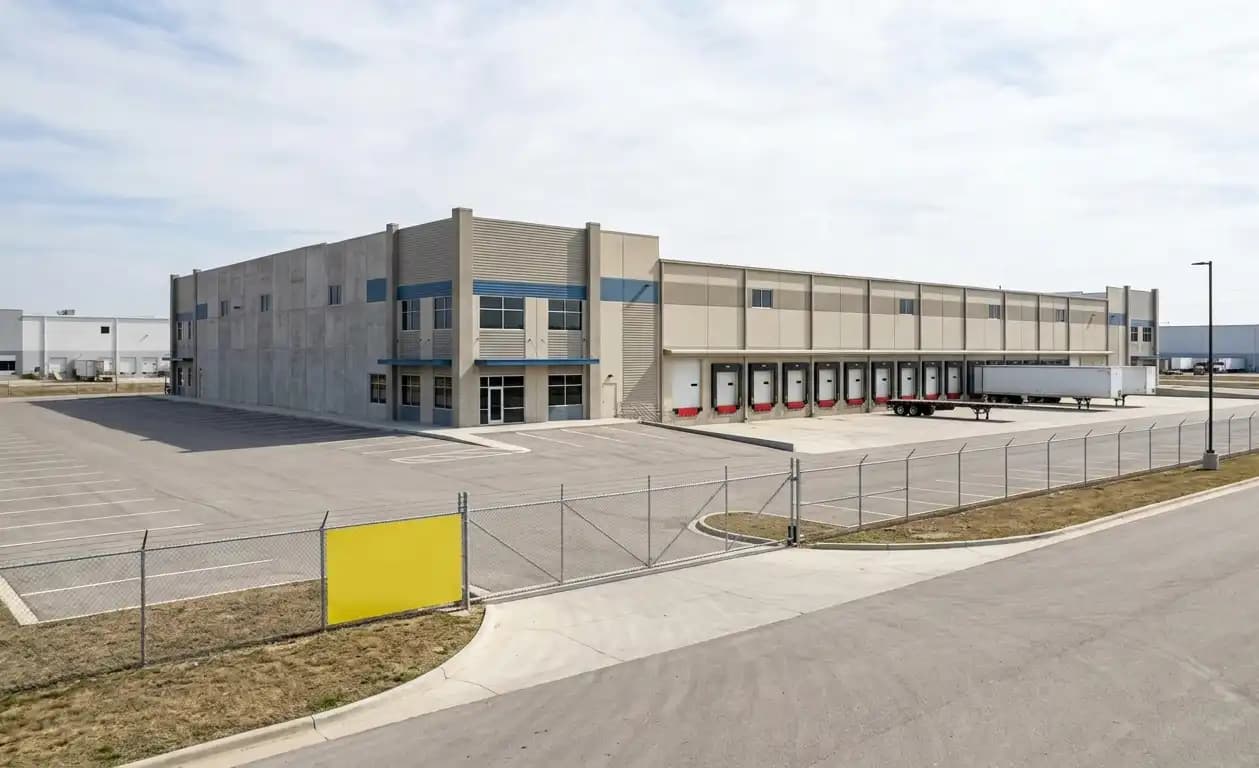
The e-commerce boom, reshoring of manufacturing, and an ever-evolving global supply chain have fundamentally transformed the commercial property landscape. If you are a business owner looking to expand operations or an investor seeking stable, long-term returns, searching for an industrial property for sale is one of the smartest moves you can make today. However, commercial industrial real estate is a vastly different beast compared to residential or even retail properties. The stakes are higher, the physical requirements are highly specific, and the legalities can be complex. Whether you are looking for a massive logistics hub or a small manufacturing base, understanding the nuances of the market is critical to protecting your capital. This comprehensive guide will walk you through the essential steps, strategies, and insider tips you need to know before you sign on the dotted line. If you want to see what’s currently on the market, you can start by exploring business listings and businesses for sale on Exity. Before diving into property listings, it is vital to understand the broader economic landscape. The industrial sector is generally considered a safe haven, but it still experiences fluctuations based on supply chain demands, interest rates, and local economic health. Conducting a thorough industrial market cycle analysis will help you determine whether it is a buyer’s or seller’s market in your target region. Are vacancy rates dropping? Is new construction keeping up with demand? Understanding where the market currently sits in its cycle prevents you from overpaying at the peak of a bubble. One of the first hurdles business owners face is the buying vs leasing warehouse space dilemma. While leasing offers flexibility and requires less upfront capital, buying builds long-term equity. Ownership shields your business from volatile rent hikes and allows you to customize the facility to your exact operational needs. Furthermore, commercial properties offer significant tax advantages, including depreciation deductions. For a high-level overview of how depreciation generally works, see the Australian Taxation Office guidance on depreciating assets. The term "industrial real estate" is an umbrella that covers a wide variety of building types. To maximize your return on investment, you need to align the property type with your specific business goals or tenant demands. If you want to capitalize on the modern supply chain, investing in distribution centers is highly lucrative. These massive facilities serve as the backbone of e-commerce, offering rapid transit of goods from ports to consumers. On the other hand, if you are an investor looking for premium returns, you might explore various high-yield industrial asset classes, such as cold storage facilities or specialized biotech labs, which command premium rents due to their specialized build-outs. If your needs are more modest, you might simply want to buy industrial unit spaces in a multi-tenant business park. When evaluating a commercial industrial for sale, you will frequently encounter terms like "flex space" and "traditional warehouse." Doing a quick warehouse vs flex space comparison is crucial: Traditional Commercial Warehouse: Primarily designed for the storage and distribution of goods. These feature minimal office space (usually under 10%), high ceilings, and numerous loading docks. Flex Space: As the name suggests, this is flexible space that typically features a higher percentage of office or showroom space (up to 50%) combined with light industrial or storage space in the back. Flex spaces are highly popular with tech startups, R&D firms, and local service businesses. When touring industrial sites for sale, look past the fresh paint and focus strictly on the functional infrastructure. A building is only as good as its capacity to handle your operational flow. For distribution and storage, cubic volume is just as important as square footage. Modern e-commerce operations rely on towering racking systems to maximize efficiency. Therefore, understanding clear height requirements for logistics is non-negotiable. While older buildings might only offer 18 to 24 feet of clear height, modern logistics operators typically demand 32 to 40 feet. Purchasing a building with inadequate height will severely limit your storage capacity and the property's future resale value. If you are purchasing a property for fabrication or production, you must thoroughly evaluate manufacturing facility infrastructure needs. Key elements include: Power Supply: Heavy manufacturing requires robust, three-phase power. Upgrading a building's electrical capacity can be prohibitively expensive. Floor Load Capacity: The concrete slab must be thick enough and reinforced to handle heavy machinery and loaded forklifts without cracking. Loading Docks and Drive-in Doors: Assess the ratio of dock-high doors to overall square footage. Furthermore, ensure the truck court has an adequate turning radius for modern 53-foot tractor-trailers. HVAC and Ventilation: While many warehouses are unheated, manufacturing spaces often require specialized climate control, air filtration, and exhaust systems. Understanding the true financial worth of a property ensures you don't over-leverage your business. Knowing exactly how to value industrial buildings involves looking beyond the asking price. Appraisers typically use the Income Approach (based on the revenue the property can generate) and the Sales Comparison Approach (looking at recent sales of similar properties in the area). A critical metric for investors is understanding industrial property capitalization rates (cap rates). The cap rate is the ratio of the property's net operating income (NOI) to its purchase price. A lower cap rate generally indicates a lower-risk, highly desirable property (like a brand-new distribution center leased to a Fortune 500 company), while higher cap rates indicate higher risk but potentially higher immediate yields. Financing industrial real estate acquisitions requires pristine financial records. Commercial lenders will scrutinize both the physical asset and the financial health of your business. Options range from traditional commercial bank mortgages to SBA 504 loans, which are fantastic for owner-users because they offer low down payments and fixed, long-term interest rates. If you are buying the property purely as an investment to lease out to others, you should familiarize yourself with triple net lease advantages. In a Triple Net (NNN) lease, the tenant is responsible for paying the property taxes, building insurance, and maintenance costs in addition to base rent. This structure creates a highly predictable, passive income stream for the landlord, insulating them from unexpected operating expenses. If you’re also assessing the underlying business value (not just the building), Exity’s business valuation resource can help you frame the numbers before you negotiate. Finding the perfect property and securing financing is only half the battle. The period between an accepted offer and closing day is where you must aggressively protect your interests. Having a comprehensive industrial real estate due diligence checklist is your best defense against buying a money pit. Your checklist should at a minimum include: Title and Survey Review: Ensure there are no hidden easements, encroachments, or liens that could restrict your use of the property. Physical Property Inspections: Hire commercial inspectors to evaluate the roof, foundation, HVAC, and plumbing. Financial Audits: If buying a tenant-occupied property, audit all existing leases, rent rolls, and historical operating expenses. Never assume you can use a property exactly how you wish just because it looks the part. You must get the local industrial zoning laws explained to you by a municipal planner or real estate attorney. Zoning dictates what activities can occur on the site (e.g., light assembly vs. heavy chemical manufacturing), noise limits, outdoor storage rules, and parking requirements. If you are purchasing vacant land to build a custom facility, you will need to consult a comprehensive industrial land development guide. Developing raw land involves navigating complex permitting processes, utility installations, and stormwater management regulations, which can add months (and significant costs) to your timeline. Perhaps the most critical step in commercial industrial real estate transactions is assessing environmental risk. Under federal law, a property owner can be held liable for cleaning up hazardous waste on their site, even if a previous owner dumped it. To protect yourself, you must meet strict environmental site assessment requirements before purchasing. This begins with a Phase I Environmental Site Assessment (ESA), which involves a historical review and visual inspection of the property to identify potential contamination risks (like old underground storage tanks or chemical spills). If the Phase I ESA flags any issues, a Phase II ESA will be required, involving actual soil and groundwater testing. In Australia, many practitioners reference the National Environment Protection (Assessment of Site Contamination) Measure (NEPM); you can review it via the Federal Register of Legislation. Purchasing industrial property is a highly strategic move that can significantly scale your business operations or solidify your investment portfolio. However, navigating the landscape of an industrial property for sale requires patience, capital, and a team of trusted professionals. From analyzing market cycles and evaluating clear heights to surviving environmental assessments and securing financing, every step requires careful calculation. By focusing on your core operational needs, adhering to a strict due diligence process, and understanding the nuances of commercial zoning and valuation, you can confidently secure an asset that will deliver robust returns for decades to come. If you want help getting started, you can read Exity’s guide on how to buy a business in Australia, browse the latest market insights on the Exity blog, or contact us with questions.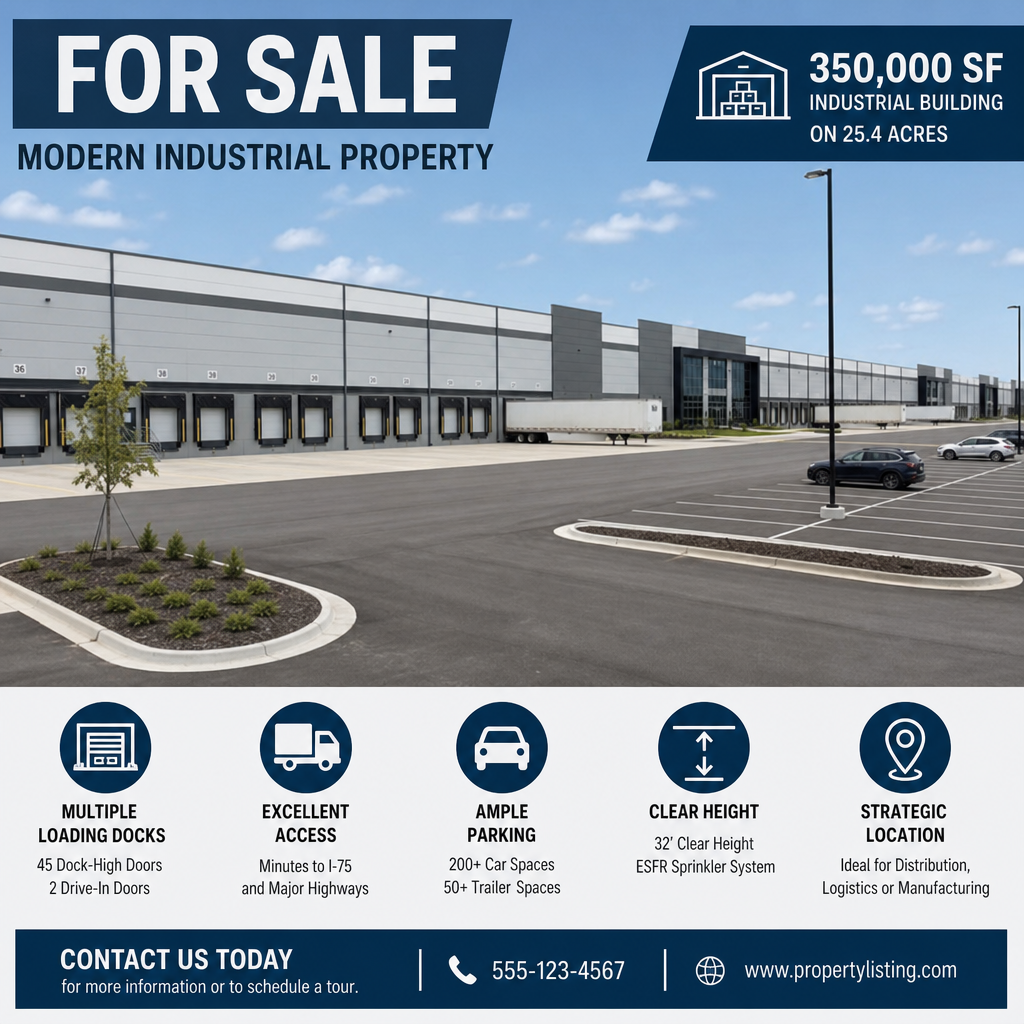
Understanding Market Dynamics and Strategy
The Big Debate: Ownership vs. Renting
Identifying the Right Asset Class
Decoding Space Types
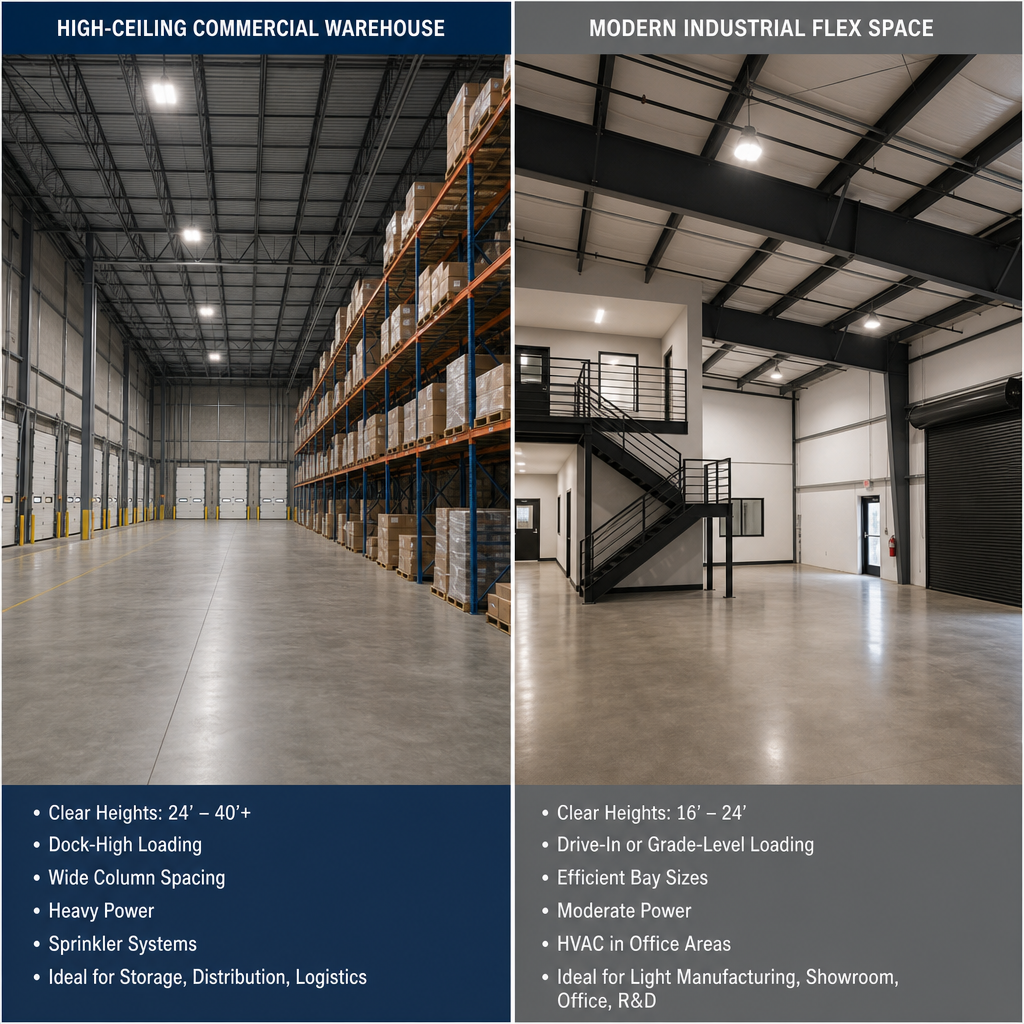
Essential Physical Attributes to Inspect
Vertical Space and Logistics
Infrastructure for Production
Valuing and Financing Your Investment
Structuring the Deal
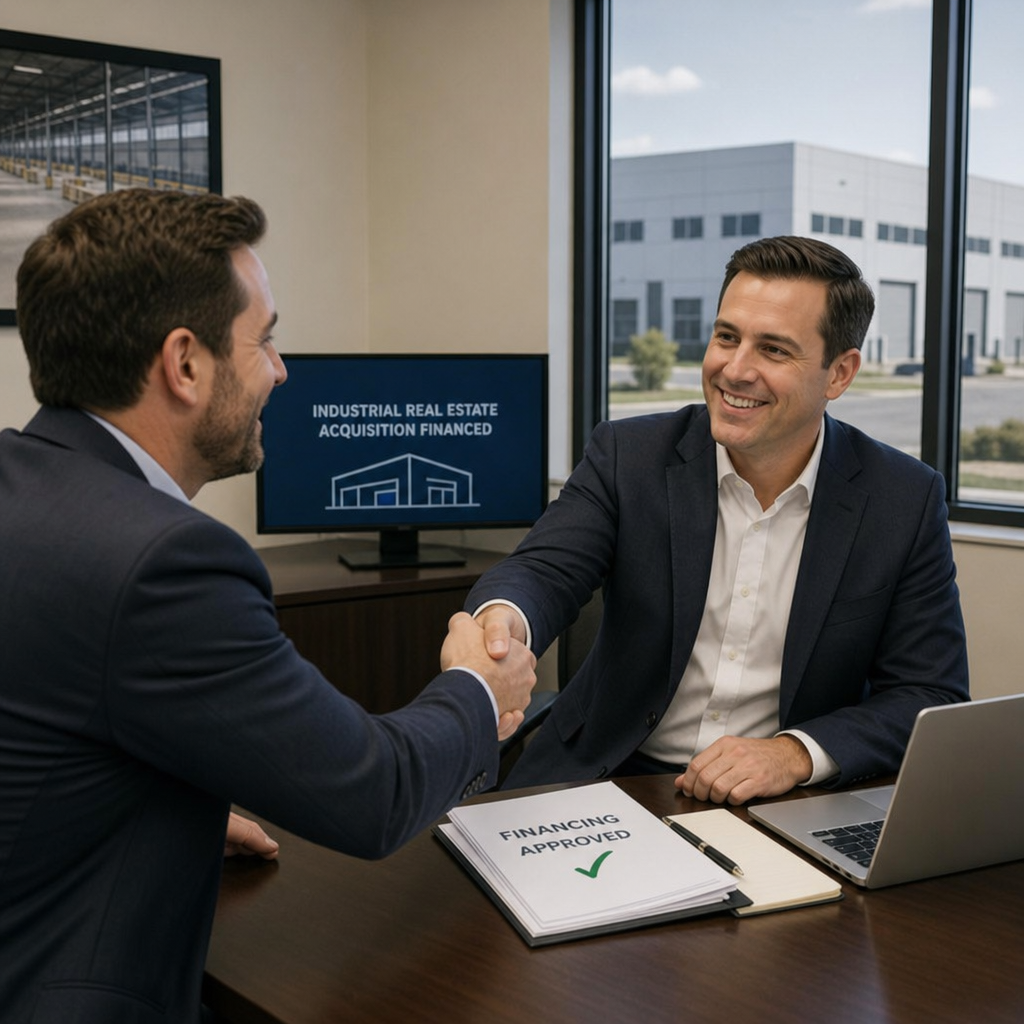
Navigating Due Diligence, Zoning, and Environmental Risks
The Due Diligence Checklist
Navigating Local Laws
Mitigating Environmental Liabilities
Conclusion