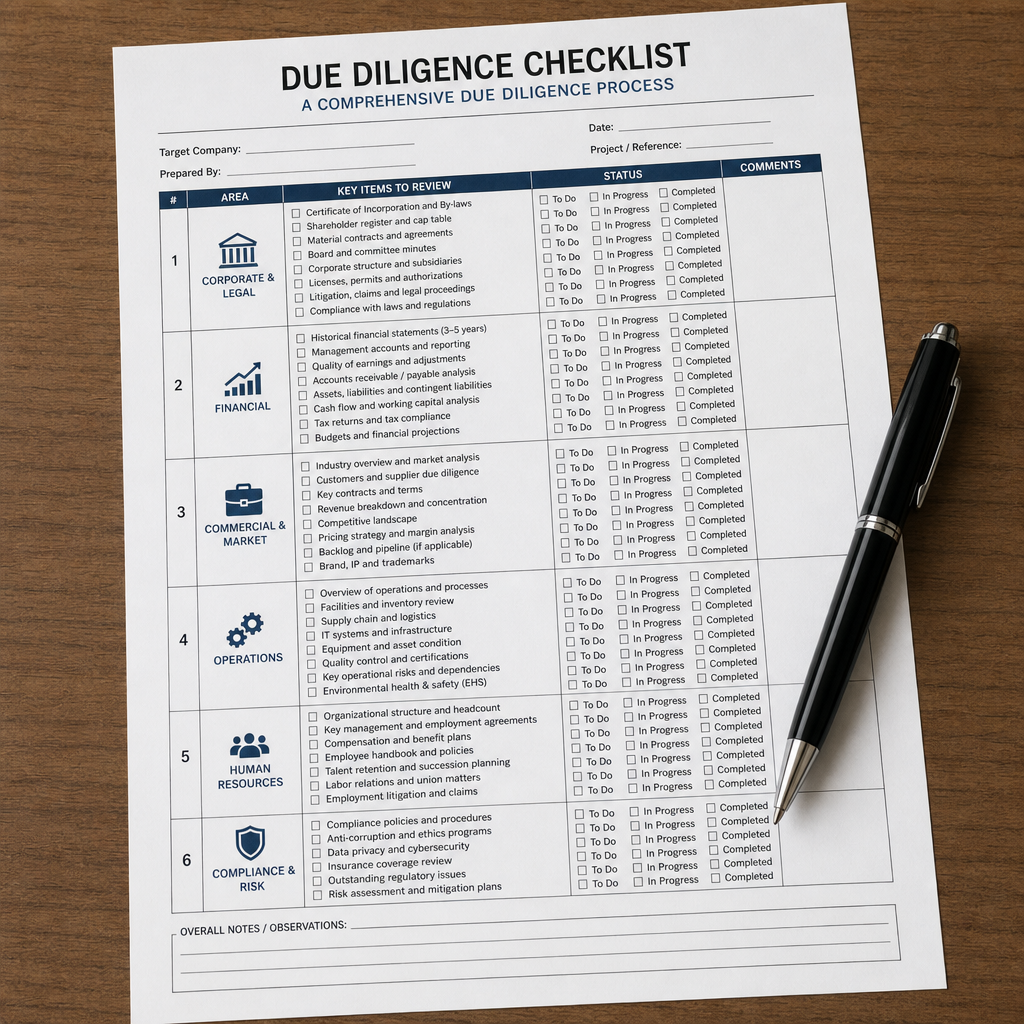
Canberra is no longer just a hub for politicians and public servants; it has rapidly transformed into a vibrant ecosystem for entrepreneurs, investors, and small business owners. With a highly educated population, Australia's highest median weekly income, and an impressively low unemployment rate, the Australian Capital Territory (ACT) offers a uniquely stable and lucrative environment for commerce. If you have been scouring the market for a business for sale canberra, you are stepping into a landscape ripe with opportunity. However, acquiring a commercial enterprise is a multifaceted process that requires strategic planning, thorough financial analysis, and an understanding of local legislation. Whether you are looking for a bustling suburban cafe9, a specialized IT consultancy, or a well-known retail brand, this guide will walk you through everything you need to know about navigating the local market. If you want to see whats available right now, start by browsing verified businesses for sale on Exity, then narrow your search by category and location. Before diving into the mechanics of purchasing an asset, it helps to understand why the ACT is such a coveted market. Canberra offers unparalleled economic stability. During national economic downturns, the city's economy often remains shielded due to the heavy presence of federal government operations. Furthermore, local enterprises benefit from a phenomenon unique to capital cities: the government contract potential for local businesses. From catering and event management to IT support and facility maintenance, the federal and territory governments rely heavily on private sector contractors. Securing even a modest government contract can provide your new enterprise with reliable, long-term cash flow. When exploring the most profitable industries in Australian Capital Territory, several sectors consistently come out on top. Technology and cyber security firms thrive here, alongside professional services, health and wellness centers, and specialized trades. One of the first decisions entrepreneurs face is buying an existing business versus starting from scratch. While building a startup allows for complete creative control, it comes with immense risk. You have to build a customer base, design operational procedures, and often endure months-or years-of negative cash flow. When you look for a business for sale in canberra, you are essentially purchasing momentum. The benefits of acquisition include: Immediate Cash Flow: Revenue begins flowing from day one. Established Customer Base: You inherit loyal clients and brand awareness. Trained Staff: Existing employees already know the day-to-day operations. Proven Concept: The market has already validated the product or service. By choosing to purchase an established entity, you bypass the treacherous early stages of business development and can focus immediately on growth and optimization. If you want the full end-to-end process, see our guide on how to buy a business in Australia. The diversity of the local market means that no matter your background or budget, there is likely a canberra business for sale that fits your criteria. You can also scan broader businesses for sale to benchmark pricing and demand across Australia. Canberras food and beverage scene has exploded in recent years. Precincts like Braddon, Kingston, and Dickson are renowned for their culinary culture. Consequently, there are numerous profitable hospitality opportunities in Canberra for prospective buyers. Whether it's a specialty coffee roaster or a high-end restaurant, these businesses often come with high foot traffic and dedicated local followings. If you prefer a plug-and-play model with extensive corporate support, looking for a franchise for sale canberra is an excellent route. Franchises offer a proven blueprint for success. However, the steps to purchase a franchise in Canberra differ slightly from buying an independent shop. You will need to review detailed franchise disclosure documents, undergo interviews with the franchisor to ensure you are a cultural fit, and agree to specific marketing and operational guidelines. For those with specific technical skills, acquiring an established service business-such as plumbing, electrical, or commercial cleaning-is highly lucrative. When searching for a business for sale canberra act, you'll find that B2B (business-to-business) service providers here boast incredible retention rates. Understanding how to buy a small business in ACT requires a methodical approach. Skipping steps or rushing the process can lead to costly mistakes. You do not have to navigate the market alone. Hiring a business broker in Canberra is one of the smartest investments you can make. Good brokers act as matchmakers, filtering out poor investments and presenting you with opportunities that align with your budget and goals. Furthermore, the best canberra business brokers have access to "off-market" listings-lucrative businesses whose owners want to sell discreetly without alerting their competitors or staff. If you're weighing professional representation versus a DIY approach, read our broker vs online marketplace comparison before you commit. Never take an asking price at face value. You must apply standard business valuation methods for Australian companies to determine if the price is fair. Common methods include: Multiplier of Discretionary Earnings (SDE): Best for owner-operator small businesses. EBITDA Multiples: Commonly used for mid-sized companies with management teams in place. Asset-Based Valuation: Ideal for companies with heavy machinery or significant inventory. Crucial to this step is evaluating profit and loss statements for acquisitions. You (and your accountant) must look for "add-backs"-personal expenses the current owner has run through the company-to calculate the true underlying profit. Scrutinize the last three years of financials to identify growth trends or hidden red flags. As a starting point, you can sanity-check the numbers with our valuation tool (manual). Once you agree on a price and sign a Heads of Agreement, you enter the due diligence phase. Having a comprehensive due diligence checklist for prospective buyers is non-negotiable. Your checklist should cover: Financials: Verifying tax returns, BAS statements, and supplier invoices. Operations: Reviewing equipment conditions, inventory quality, and operational manuals. Human Resources: Assessing employee contracts, accrued leave liabilities, and staff turnover rates. Legal: Checking for any pending litigation, zoning laws, or intellectual property disputes. If you have process questions as you go, the FAQ is a good place to start. Buying a business for sale act involves a web of legal and administrative tasks that are specific to the territory. You must strictly adhere to the legal requirements for business transfer ACT. This involves drafting a watertight Contract of Sale that clearly defines what assets are being transferred, how employee entitlements (like long service leave) will be handled, and setting non-compete clauses to ensure the previous owner doesn't open a rival shop next door. You will need a commercial lawyer who is well-versed in ACT legislation to handle this documentation. For brick-and-mortar operations, your business is only as secure as your premises. The commercial lease transfer process Canberra can sometimes be the most stressful part of an acquisition. The landlord must formally agree to assign the existing lease to you, or negotiate a new one. They will require references, a solid business plan, and a statement of your financial position. Ensure you understand any "make good" clauses in the lease, as these can be a massive hidden liability. Unless you are buying outright with cash, you will need to explore financing options for small business acquisition. Traditional banks offer commercial loans, though they usually require significant collateral (such as residential property) and a 20% to 30% deposit. Alternative options include seller financing-where the seller allows you to pay a portion of the purchase price over time from the company's profits-or utilizing specialized unsecured business lenders, though these often come with higher interest rates. Buyers often overlook the tax consequences of a purchase. While calculating your total upfront costs, you must investigate the current status of stamp duty on business sales in ACT. The ACT government has been progressively phasing out commercial stamp duty to encourage investment, but rules differ based on the value of the transaction and whether commercial land is included in the sale of the business assets. Always consult a registered local tax accountant to ensure you aren't hit with unexpected duties on settlement day. The final hurdle is transitioning ownership of a Canberra company smoothly. A sudden, chaotic change in management can spook both employees and clients. A standard Contract of Sale will usually stipulate a handover period-typically two to four weeks-where the previous owner remains on-site to train you. Use this time to learn the nuances that aren't written in the operational manuals. Introduce yourself to key suppliers, reassure staff about their job security, and slowly build rapport with regular customers. The goal of the transition phase is to maintain absolute stability; sweeping changes and "innovations" should wait until the dust has settled. Securing the right business for sale canberra is a life-changing endeavor that offers the chance to build immense personal wealth while contributing to the local ACT economy. By understanding local market trends, engaging the right brokers, performing rigorous due diligence, and mastering the legal transition, you set yourself up for long-term commercial success. Take your time, trust the data, and soon enough, youll be the proud owner of a thriving Canberra enterprise. If youre also planning an exit for a business you already own, see sell a business or go straight to Sell Your Business to understand the next steps.Top Businesses for Sale in Canberra

Why Invest in the Nation's Capital?
The Core Dilemma: Buying an Existing Business Versus Starting From Scratch
Top Categories on the Market
1. Hospitality and Retail
2. Franchising Opportunities
3. Services and Trades

The Acquisition Process: How to Buy a Small Business in ACT
Step 1: Engage the Right Professionals
Step 2: Accurate Valuation and Financial Assessment
Step 3: Conduct Exhaustive Due Diligence
Navigating Legal and Administrative Requirements
Fulfilling Legal Obligations
Managing the Lease
Funding Your Acquisition
Understanding Tax Implications
Taking the Reins
Conclusion