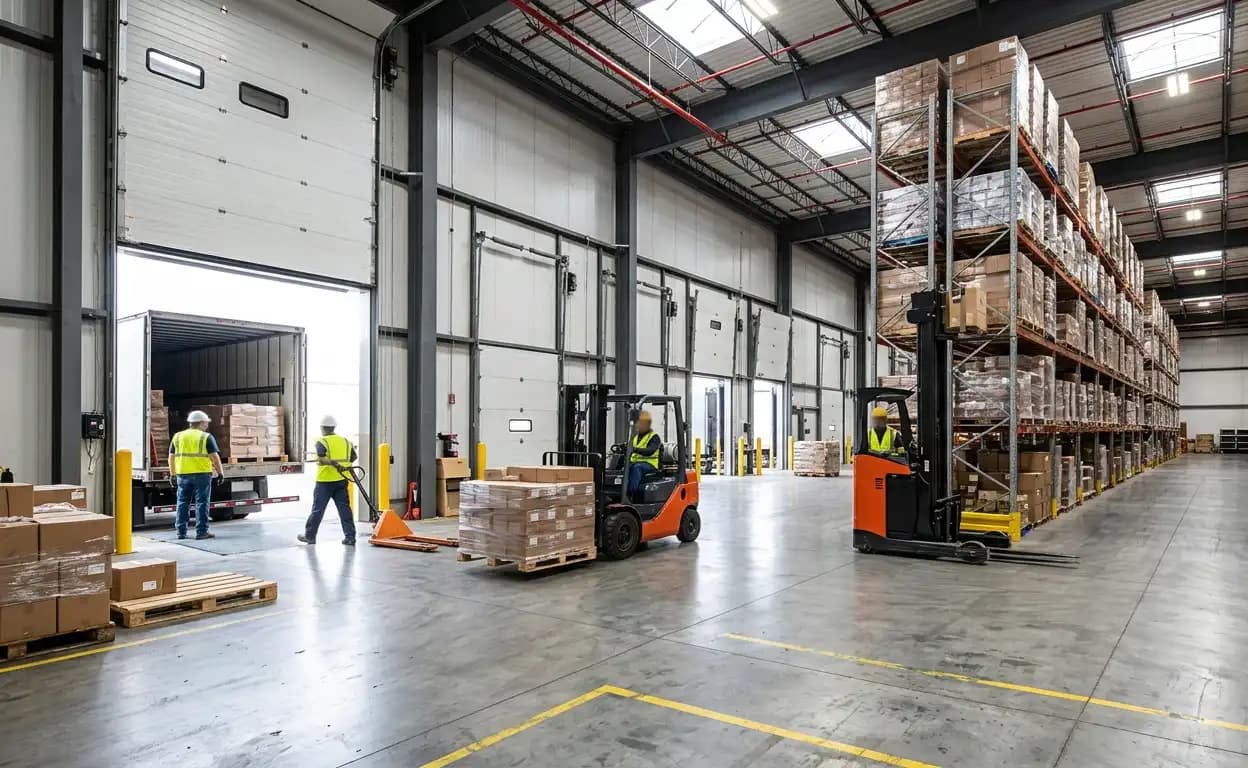
Whether your e-commerce business is booming, your manufacturing output is scaling up, or your retail storefront is overflowing with inventory, reaching the limits of your current physical space is a thrilling milestone. However, the excitement of growth often quickly gives way to the logistical headache of expansion.
Typing "warehouse for rent near me" into a search engine is often the first step many business owners take. Yet, securing the right space involves much more than just picking a local address on a map. From assessing spatial needs to understanding complex lease agreements, investing in a commercial warehouse for rent requires careful planning and strategic foresight.
In this comprehensive guide, we will walk you through the essential steps to find the ideal space for your business, ensuring your operations remain smooth, scalable, and profitable. If expansion is part of a bigger growth plan, it can also help to Browse verified businesses for sale on Exity today while you plan your next move.
Understanding Your Baseline Storage Needs
Before you start touring properties, you need to define exactly what your business requires. Not all industrial spaces are created equal, and understanding industry terminology will save you time and money.
Clarifying Operational Goals: Warehouse vs Distribution Center
First, it helps to clarify the warehouse vs distribution center debate. A warehouse is primarily designed for the long-term storage of goods. If you simply need a place to hold excess seasonal inventory, a traditional warehouse is sufficient. Conversely, a distribution center is a highly active hub focused on the rapid intake, sorting, and outbound shipping of products to fulfill customer orders. Knowing which model fits your operational flow will immediately narrow down your search.
Ownership and Management Models
You also need to understand the difference between public and private warehousing. Public warehouses are operated by third parties and allow multiple businesses to rent space, offering great flexibility. Private warehouses are owned or exclusively leased by a single company, providing maximum control over operations and layout.
This directly ties into choosing between 3PL and dedicated storage. A Third-Party Logistics (3PL) provider will handle the storage, packing, and shipping for you. However, if your team needs hands-on access to products daily, leasing dedicated storage is the superior choice.
Sizing It Up: Capacity, Layout, and Features
One of the most common mistakes business owners make is renting a space that is either too small to accommodate future growth or too large, draining their monthly budget.
Sizing Your Space Properly
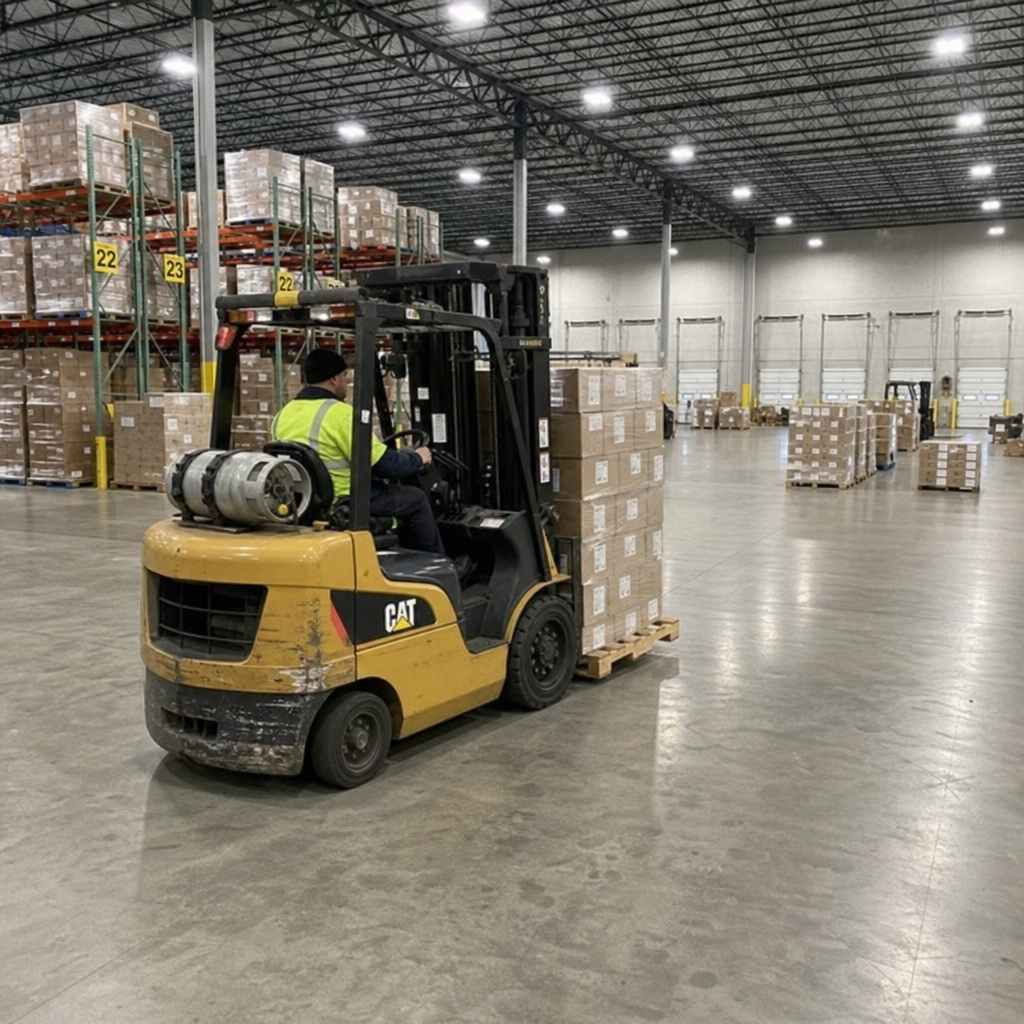
Knowing exactly how to calculate warehouse square footage requirements is a vital skill. Don't just estimate based on your current office or garage size. You must account for:
Pallet dimensions and racking: Consider the footprint of your standard pallets and the width of your aisles (forklifts require specific turning radiuses).
Vertical space (Clear Height): Industrial space is often priced per square foot, but you operate in cubic feet. High ceilings allow you to stack inventory higher, maximizing your rented footprint.
Operational zones: Factor in space for receiving, staging, packing, shipping, and employee break areas.
Essential Infrastructure and Logistics Capabilities
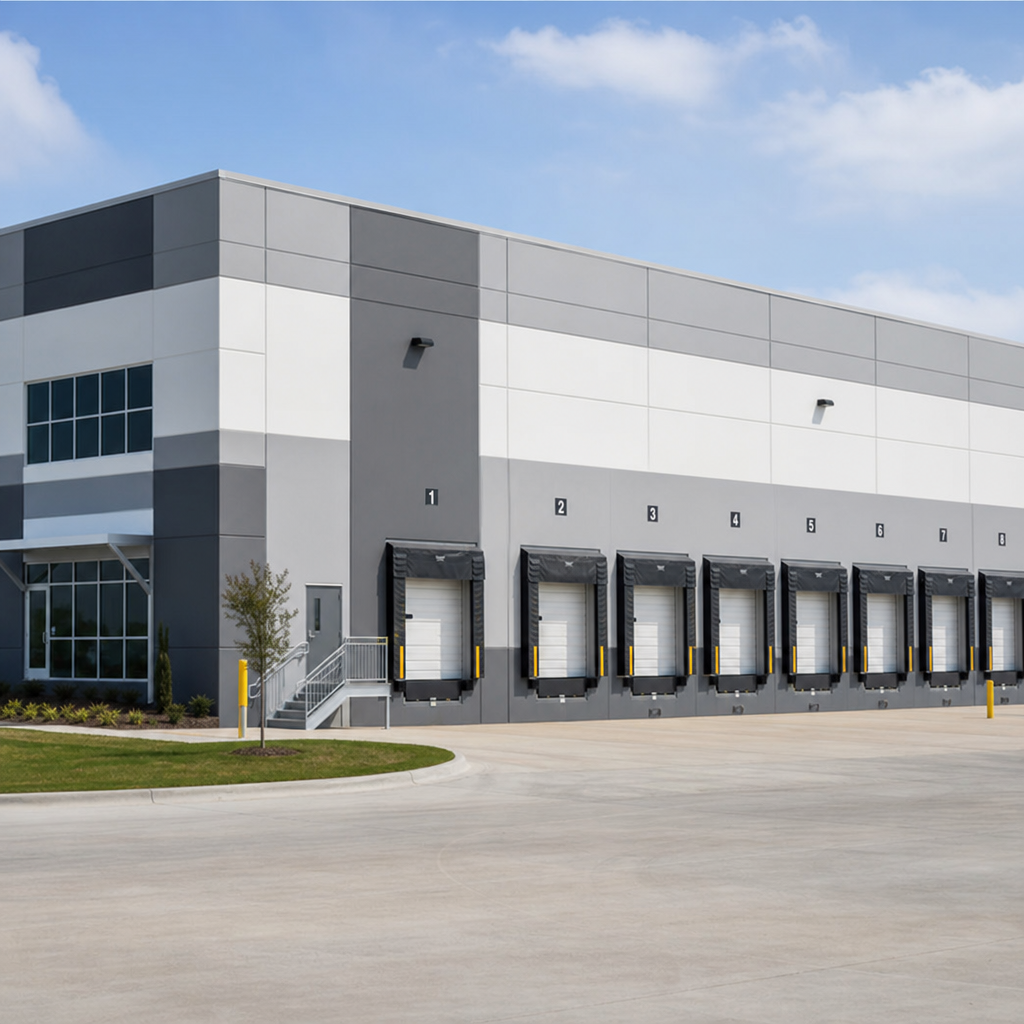
Think about how goods will move in and out of your building. If you manage high inventory turnover, finding small business storage units with loading docks is crucial to avoid the bottleneck of ground-level unloading.
For companies focused on rapid transit without long-term storage, finding a space that supports cross-docking capabilities in local facilities can drastically reduce holding times. Cross-docking allows you to unload materials from an incoming semi-trailer truck and load them directly into outbound trucks with little to no storage in between.
Additionally, consider the nature of your products. If you sell cosmetics, pharmaceuticals, or food and beverage items, you will absolutely require temperature controlled storage facilities to maintain product integrity and comply with health regulations.
Location, Logistics, and Legalities
Where your warehouse is located impacts everything from your shipping times to your labor pool.
The Power of Proximity
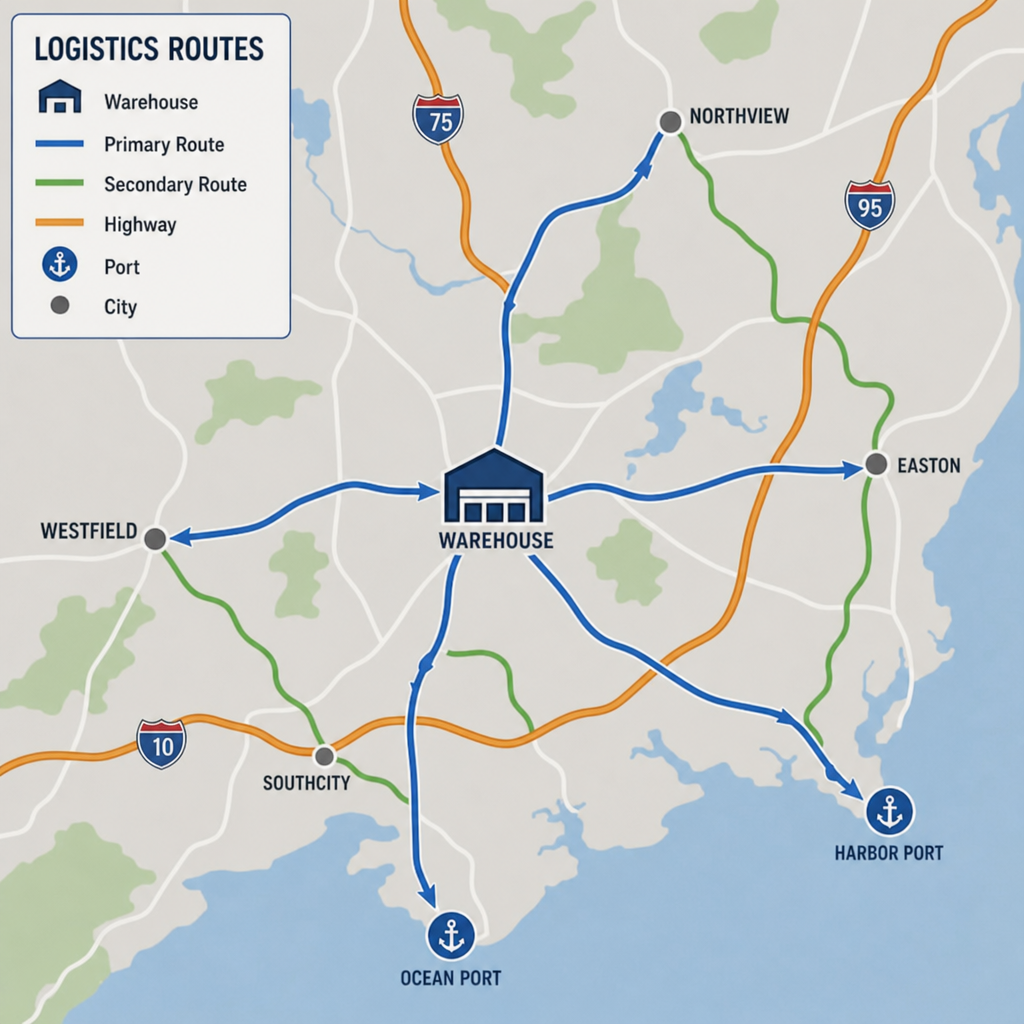
When evaluating an industrial warehouse for rent, the proximity to transportation infrastructure benefits cannot be overstated. Being situated near major interstate highways, freight railways, commercial ports, or international airports drastically reduces transit times and lowers freight costs. Even if a facility slightly further out boasts a cheaper monthly rent, the added transportation costs can easily negate those savings.
Zoning and Compliance
Never sign a warehouse lease without verifying the local regulations. You must carefully navigate local zoning laws for commercial distribution centers or manufacturing hubs. Zoning dictates what types of activities can legally take place on the property. For example, a space zoned for "light industrial" might allow for a small workshop space for rent but prohibit heavy machinery, excessive noise, or 24/7 trucking operations.
Types of Spaces Available
The industrial real estate market is incredibly diverse. Your search for a "warehouse for rent near me" will likely yield several distinct property types:
Traditional Warehouses: Best for straightforward, long-term storage.
Flex Spaces: These combine warehouse space with high-quality office space. They are perfect for small businesses that want their management team and inventory under one roof.
Workshops: If you are an artisan, mechanic, or light manufacturer looking for a modest workshop to let, these smaller, specialized spaces offer heavy power access and durable flooring.
Short-term spaces: If your business experiences drastic seasonal spikes, looking into flexible short term industrial rentals can prevent you from being locked into a rigid multi-year lease.
Navigating the Financials: Costs and Lease Terms
The financial aspect of leasing commercial real estate is vastly different from residential renting.
Budgeting for the Space
To set an accurate budget, you must first determine the average cost of industrial space per square foot in your target market. Keep in mind that this is usually calculated annually. (For example, a 5,000 sq ft space at $10/sq ft will cost $50,000 a year, or roughly $4,166 a month).
However, the base rent is rarely the only expense. Many business owners are caught off guard when they fail to ask: what are common area maintenance fees in industrial leases? Also known as CAM fees, these are charges passed on by the landlord to cover the maintenance of shared spaces, such as parking lot repairs, landscaping, snow removal, and exterior lighting.

Deciphering the Lease Agreement
Before you commit to a commercial warehouse for lease, you must master the paperwork. It is imperative to understand the industrial lease agreement key terms. Most industrial spaces utilize a "Triple Net" (NNN) lease structure. In an NNN lease, the tenant is responsible for the base rent plus their proportionate share of property taxes, building insurance, and CAM fees.
When negotiating commercial lease terms for startups, remember that everything is on the table. Landlords value long-term stability, so if you are willing to sign a three or five-year lease, you can often negotiate tenant improvement (TI) allowances-funds the landlord provides to help customize the space-or a few months of free base rent while you move in. If you’re making broader expansion decisions at the same time, this guide on how to buy a business in Australia can help you sanity-check timing, budgeting, and risk.
Safety First: Securing Your Assets
Finally, protecting your inventory should be a top priority. Whether you are moving into a sprawling distribution center or looking at a local workshop space for rent, security is paramount.
When evaluating a site, it is highly recommended to consult an industrial property security features checklist. Your checklist should include:
Access Control Systems: Are there electronic keycards, biometric scanners, or a gated perimeter?
Surveillance: Does the property feature 24/7 exterior and interior CCTV monitoring?
Lighting: Is the parking lot, loading dock area, and perimeter well-lit at night?
Fire Safety: Does the building have an up-to-date ESFR (Early Suppression, Fast Response) sprinkler system?
Structural Integrity: Are the doors, locks, and dock levelers sturdy and tamper-resistant?
Conclusion
Transitioning into a new commercial space is an enormous step for any expanding enterprise. By taking the time to calculate your spatial requirements, understanding the logistical advantages of your location, and meticulously reviewing your lease terms, you set your business up for long-term operational success.
The next time you search for a "warehouse for rent near me", you won't just be looking blindly at square footage and price tags. You'll be equipped to evaluate the nuances of zoning, security, and infrastructure. Whether you end up securing a massive industrial warehouse for rent to house thousands of pallets or a highly functional flex space to scale your e-commerce brand, finding the perfect facility is the foundation upon which your future business growth will be built.
If your next step includes acquiring or exiting a business, explore businesses for sale, learn how to sell a business, and estimate your numbers with the valuation tool (manual). For more help navigating the platform, see the FAQ.
Q&A
Question: How do I decide between a warehouse and a distribution center (and where do flex spaces fit)?
Short answer: Choose based on how actively you move product. A warehouse is optimized for long-term storage-ideal for excess or seasonal inventory with low daily turns. A distribution center is built for speed: frequent receiving, rapid picking/packing, and fast outbound shipping to customers. If you need office space integrated with storage and light operations, consider a flex space that combines warehouse and high-quality offices under one roof, keeping management and inventory in the same building.Question: What's the right way to size a warehouse beyond just square footage?
Short answer: Plan in cubic feet and around your workflows. Start with pallet dimensions, racking configuration, and required aisle widths (forklifts need adequate turning radius). Factor clear height to understand how high you can safely stack-higher ceilings can reduce your footprint. Then map operational zones: receiving, staging, packing, shipping, returns, and employee areas. Undersizing chokes growth; oversizing wastes budget. Model current needs and a realistic growth buffer to avoid premature moves.Question: Which infrastructure features should I prioritize (docks, cross-docking, temperature control)?
Short answer: Match features to your product mix and velocity. High-throughput operations benefit from loading docks to avoid ground-level bottlenecks and, if you minimize storage time, cross-docking capability to transfer goods directly from inbound to outbound trucks. Temperature-controlled space is essential for sensitive goods like cosmetics, pharmaceuticals, or food/beverage to protect integrity and meet regulations. Align doors, dock levelers, and internal flow with your receiving/packing/shipping cadence.Question: How do location and zoning impact my costs and operations?
Short answer: Proximity to major highways, rail, ports, or airports shortens transit times and can reduce freight costs enough to outweigh slightly higher rent. Evaluate total landed cost, not just monthly rent. Before signing, verify zoning aligns with your use (e.g., light industrial may restrict heavy machinery, noise, or 24/7 trucking). Non-compliance can halt operations. Also assess the local labor pool access and trucking routes to keep service levels and costs predictable.Question: What should I watch for in industrial lease terms and budgeting?
Short answer: Price is typically quoted annually per square foot (e.g., 5,000 sq ft at $10/sq ft = $50,000/year - $4,166/month). Most deals are Triple Net (NNN): you pay base rent plus your share of property taxes, building insurance, and common area maintenance (CAM) for items like parking lots, landscaping, snow removal, and exterior lighting. Ask for historical CAM estimates and what's included. When negotiating, longer terms can unlock tenant improvement (TI) allowances and free rent during buildout/move-in; nearly everything is negotiable if you provide stabilit