
Buying an established business can be one of the fastest routes to becoming your own boss. You skip the slow, risky start-up phase and step straight into a company that already has customers, cash flow and a reputation. But a smooth handover only happens when you do the groundwork first.
This guide walks you through the whole journey - from working out whether ownership suits you, to signing the contract and funding the deal. Follow it in order and you'll buy with your eyes wide open.
The nine steps we'll cover:
Decide whether business ownership is right for you
Choose between an independent business and a franchise
Search and research the market
Run thorough due diligence
Work out what the business is really worth
Make your offer and negotiate
Lock in the purchase contract
Finance the deal
Handle the legal handover (the Australia-specific bits)

Step 1: Decide whether business ownership is right for you
Before you scroll through a single business for sale listing, get honest with yourself. Running a business is rewarding, but it also means every decision - and every problem - eventually lands on your desk.
Ask yourself a few blunt questions. Are you comfortable being accountable for staff, suppliers and customers at the same time? Can you manage your own time without a boss setting deadlines for you? Are you willing to roll up your sleeves and cover sales, admin, marketing and customer service, especially in the first year while you find your feet?
If those questions excite you more than they scare you, you're in a good headspace to keep going.
Step 2: Choose between an independent business and a franchise
There's no universally "better" option here - it comes down to how much freedom versus support you want.
An independent business gives you the reins. You set the pricing, choose the products, change direction whenever you like and market to whoever you please. That freedom is a genuine advantage if you have your own vision and want to put your stamp on things.
A franchise trades some of that freedom for structure. You operate under a recognised brand, plug into an established system, and benefit from group buying power, marketing and training. In return, you follow the franchisor's rules and usually work within a defined territory.
If you're weighing this up, it's worth reading our rundown of the best franchises in Australia alongside our guide to what a franchise for sale actually involves before committing either way.
Step 3: Search and research the market
You wouldn't buy a car without lifting the bonnet, and a business deserves far more scrutiny. This stage is about finding options that fit, understanding the true cost of ownership, and getting a feel for each business's strengths and weak spots.
Start with what genuinely interests you. Owners who love their industry tend to stick around long enough to succeed. Once you've settled on a sector, narrow down by budget and location - for example, businesses under $500k, cafes for sale, restaurants for sale, or the full range of businesses for sale in Melbourne. You can also browse every current listing in one place.
Understand the full cost, not just the asking price. Separate the set-up costs (the money to take ownership) from the ongoing running costs (rent, wages, stock, utilities). A cheap purchase price can hide expensive month-to-month realities.
Then dig into the story behind the sale. The single most useful question you can ask is "Why is this business being sold?" The honest answer tells you a lot. Beyond that, a few practical moves pay off:
Check the legal structure and ownership via ASIC.
Quietly visit at different times and days to see how it really trades.
Talk to staff, customers and suppliers to gauge loyalty and reputation.
Scan Google and social media reviews for recurring complaints.
Research the competitors and where the market is heading.
For a location-specific take, our top tips for buying a business in Melbourne and how to buy a cafe in Melbourne go deeper on what to watch for.

Step 4: Run thorough due diligence
Due diligence is where you verify that everything the seller has told you actually stacks up. It usually happens after you've agreed a deal in principle but before anything is legally binding, and you'll normally sign a confidentiality agreement to access the sensitive material.
Don't do this alone. Bring in your accountant and a solicitor - the cost is tiny compared to buying a problem you didn't spot.
On the financial side, review:
Profit and loss statements, income statements and balance sheets
Business and personal (where relevant) tax returns
Bank statements and current stock levels
Details of plant, equipment, fixtures and vehicles included in the sale
On the legal side, review:
The lease and any transfer conditions
Trademarks, patents, licences and intellectual property
Existing contracts with staff, customers and suppliers
Any current, past or threatened legal disputes
If anything looks vague or the seller is slow to hand over documents, treat that as a red flag rather than a formality.
Step 5: Work out what the business is really worth
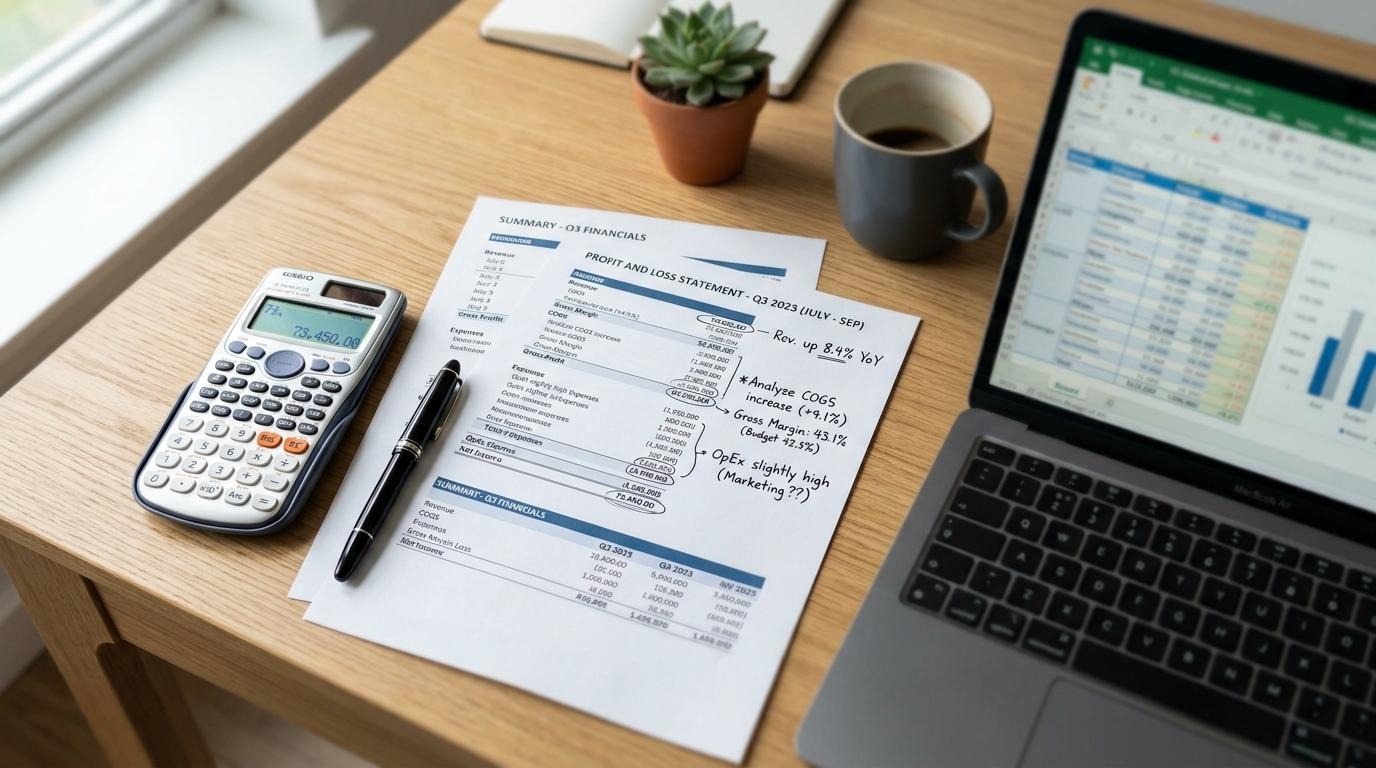
A good starting point is benchmarking - checking what comparable businesses have recently sold for. It won't replace a formal valuation, but it keeps your expectations grounded.
A proper valuation weighs both tangible assets (property, fit-out, equipment, stock) and intangible assets like goodwill - the loyal customer base, the brand, the prime location and the trained team that don't show up neatly on a balance sheet.
Two methods do most of the heavy lifting:
Net asset value - assets minus liabilities. Simple, but it ignores future earning potential.
Capitalised future earnings - this places a present-day value on the profit the business is likely to generate, which is really what you're buying.
Most valuers blend the two. For a worked example, our breakdown of a Melbourne restaurant business valuation shows how the numbers come together in practice.
Step 6: Make your offer and negotiate
Now you switch hats and think like a negotiator. Deals can be quick or drawn-out depending on how many people need to sign off, so go in prepared rather than emotional.
A few principles that consistently serve buyers well:
Know your ceiling - the most you'll pay - and refuse to cross it.
Open low but reasonable. It's far easier to move up than to claw a number back.
Never accept the first price without at least testing it.
Split your wish list into non-negotiables and nice-to-haves before you start.
Don't reveal how badly you want it. Keenness is expensive.
Take your time. Rushing usually costs money.
Get accountant advice on goodwill - sometimes paying more for depreciable tangible assets beats paying for goodwill.
Above all, keep your emotions in check. If you can't stay cool at the table, ask your accountant or a broker to negotiate on your behalf. Not sure whether to use a professional? Our guide on what a business broker is explains exactly where they add value.
Step 7: Lock in the purchase contract
Once you've agreed terms, a written purchase contract makes it official and protects both sides. Your solicitor will usually prepare the first draft, and you should never sign until your accountant and lawyer have reviewed the tax and legal implications.
If you're buying the assets rather than the company, the contract must spell out exactly what's included - equipment, stock, customer and supplier contracts, premises and intellectual property - and just as importantly, what isn't.
Make sure the contract addresses:
The final price and payment method
The seller's involvement during handover
A restraint of trade clause, so the seller can't open a competitor next door
Contingencies that protect you if the financials turn out to be wrong or undisclosed liabilities surface
Our deep dive on the essentials of a sale and purchase agreement covers the clauses that most often trip buyers up.
Step 8: Finance the deal
Ideally you'll know how you're funding the purchase before you're ready to sign. Common options include secured loans (backed by the business's assets) and unsecured loans (no asset attached, usually at a higher rate).
Lenders rarely approve business finance without a clear plan, a solid credit history and evidence of consistent cash flow, so build your case from the existing financial records. Because rates and terms vary widely, it pays to compare or speak with a broker who specialises in business lending.
If you can buy outright without borrowing, even better - you keep all the profit instead of feeding it back into repayments. Our guide to business loans for buying a business breaks down each pathway and what lenders look for.
Step 9: Handle the legal handover
This is the step generic guides tend to skip - and it's where Australian buyers get caught out. Before settlement, make sure you've locked down:
The lease transfer or new lease. For most retail and hospitality businesses, the lease is the business. Confirm the landlord will assign it or grant you fresh terms.
Licences and registrations. Update the ABN, register for GST if turnover requires it, and transfer any liquor, food or industry-specific licences into your name.
Employee entitlements. Clarify who's responsible for accrued leave and whether staff are being transferred with their existing conditions.
Supplier and utility accounts. Move key accounts across so trading doesn't stall on day one.
Tie these off in writing before you hand over the money, not after.

Ready to become a business owner?
Buying a business is a big move, but it doesn't have to be a leap in the dark. Work through these nine steps in order, lean on your accountant and solicitor at the right moments, and you'll be negotiating from a position of genuine confidence.
When you're ready to start looking, browse the latest businesses for sale on Exity - or, if you're on the other side of the table, see how easy it is to sell your business with us.
This article is general information only and isn't financial or legal advice. Always speak to a qualified accountant and solicitor before buying a business