
Cleaning businesses are one of the most reliable and scalable businesses to buy in Australia, thanks to low overheads, recurring contracts and steady demand from both homes and workplaces. Prices range from under $25,000 for a small franchise or carpet-cleaning round to over $1 million for an established commercial operation, with commercial cleaning businesses typically valued at 3 to 5 times EBITDA. The single most valuable asset you buy is the contract book, because secure, diversified, recurring contracts are what drive both income and value.
A cleaning business can be a dependable owner-operator income or a genuinely scalable enterprise, depending on the type and how it is run. But commercial and domestic cleaning are very different markets, and the quality and security of the contracts matter more than almost anything else. This guide covers the types of cleaning business for sale, what they cost, how profitable they are, and exactly what to check before you buy.
Why buy a cleaning business?
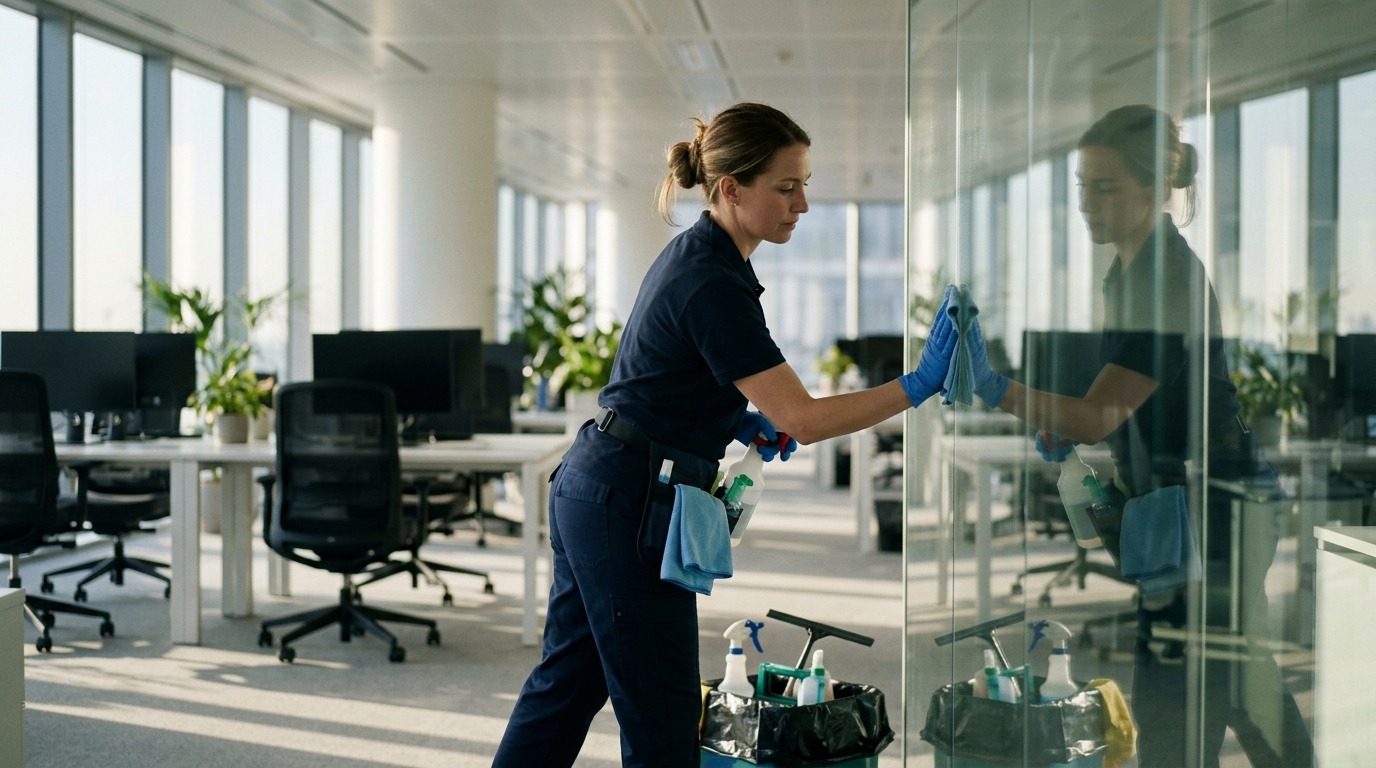
Cleaning businesses appeal to buyers because they combine very low overheads with recurring revenue and consistent, recession-resistant demand. Homes and workplaces always need cleaning, which creates predictable, repeat income, and most cleaning businesses need no premises and little equipment. They are also highly scalable, from a solo owner-operator round to a large contract operation run with staff or subcontractors.
The appeal is dependable, repeatable income for a modest investment. A few advantages stand out:
Low overheads. No premises, little equipment, and minimal fixed costs.
Recurring revenue. Regular contracts and repeat clients create predictable income.
Recession-resistant demand. Cleaning is essential in good times and bad.
Scalable. Grow from owner-operator to a staffed or subcontractor model.
Easy to start running. With contracts and systems in place, you can take over quickly.
Cleaning businesses are a standout in our guides to the most profitable businesses to buy and the best businesses to buy under $100k.
Commercial vs domestic cleaning: which should you buy?
Commercial and domestic cleaning are two very different businesses. Commercial cleaning serves offices, medical centres and other workplaces on fixed-price, long-term contracts, which makes it more stable, more scalable and more valuable. Domestic cleaning serves households, usually with less formal arrangements, lower entry costs and a more owner-operator feel. Commercial cleaning commands higher valuations, while domestic cleaning is more accessible to start with.
The distinction drives everything from price to risk. Commercial cleaning's fixed-price contracts produce predictable recurring revenue, which buyers pay a premium for, and the subcontractor model lets you scale without heavy direct payroll. Domestic cleaning is easier and cheaper to enter but tends to be more owner-dependent and has higher client turnover. Specialised niches such as carpet, window, pressure, end-of-lease and medical cleaning sit across both and can be very profitable. Decide which market suits your budget and goals before you shortlist.
How much does a cleaning business cost to buy in Australia?
Cleaning business prices in Australia span a wide range. Small franchise rounds and carpet-cleaning businesses can start under $25,000, owner-operator businesses typically cost $75,000 to $300,000, and established commercial operations with strong contract books run from $300,000 to $1.5 million or more. Price tracks the profit, the strength and diversity of the contracts, and how much the business relies on the owner.
The lower end is accessible but often owner-dependent, while the mid and upper range holds the genuinely scalable commercial operations that attract the strongest demand. A commercial cleaning business generating around $200,000 in profit (SDE) typically sells for a 1.5 to 2.5 times multiple, while larger businesses with institutional contracts are valued at 3 to 5 times EBITDA. Browse current businesses for sale or businesses under $500k, and see our guide on how much it costs to buy a business.
How profitable is a cleaning business?
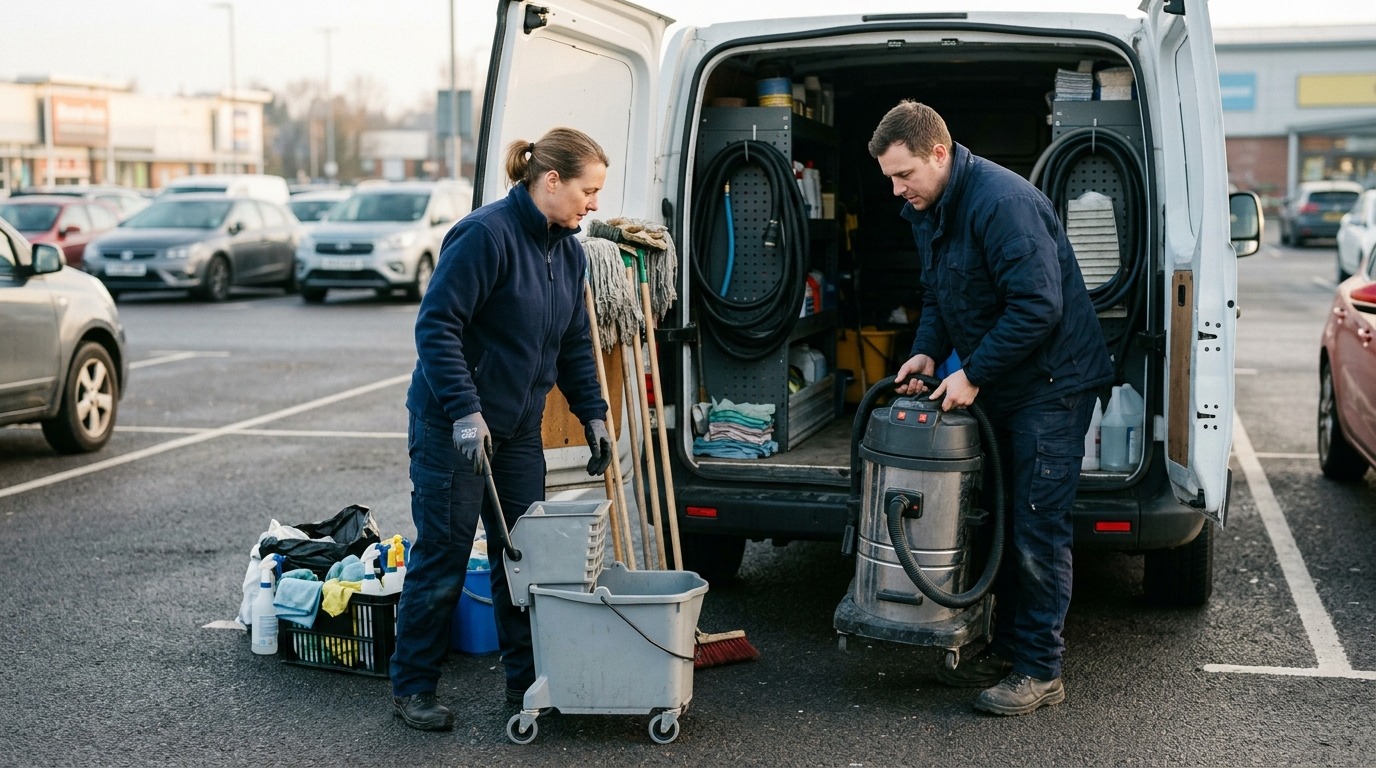
Cleaning businesses are known for strong margins because of their low overheads. Commercial cleaning businesses typically achieve EBITDA margins of around 12 to 18 percent, while well-run, lean operations can go considerably higher. Profitability is driven by long-term contracts, operational efficiency and cost management rather than high per-job prices, which is why the contract book and staffing model matter so much.
The reason cleaning is so appealing is that when you have no premises and run efficiently, more of every dollar stays as profit. Commercial cleaning rates are lower per hour than domestic, but the fixed-price, long-term contracts create reliable, predictable income that is highly valued. The subcontractor model, where you manage contracts and contractors handle the work, can scale margins further while reducing payroll liabilities. Cleaning features among the most profitable businesses to buy for exactly these reasons.
Why the contracts are the real asset
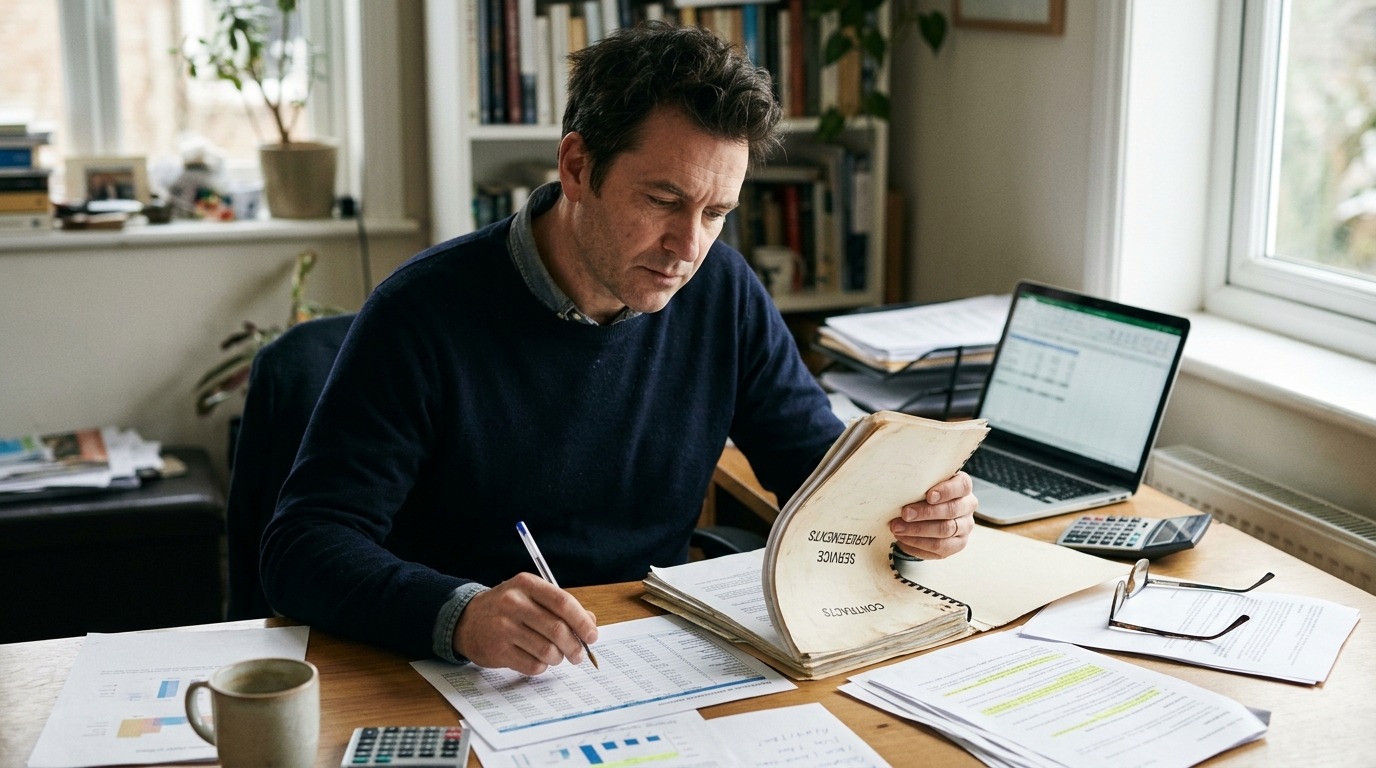
In a cleaning business, the contract book is the most valuable thing you buy, because secure, diversified, recurring contracts are what generate income and drive the valuation. A business with stable, long-term commercial contracts and a team that runs without the owner is worth far more than one reliant on a handful of casual domestic clients. Client concentration is the biggest risk: a business leaning on one or two large contracts is fragile.
This is the concept that separates a good cleaning purchase from a risky one. Before buying, you need to understand exactly what the contracts are, how long they run, whether they transfer to you, and how spread out they are across clients. A diverse book of contracts protects your income, while over-reliance on a single client means losing them could cripple the business overnight. Always prioritise contract quality and diversification over headline revenue.
What should you check before buying a cleaning business?
Before buying a cleaning business, verify the income against records, examine the contract book closely (how long contracts run, whether they transfer, and how concentrated they are), check how reliant the business is on the owner, assess the staff or subcontractors, and review the equipment. Because the contracts are the core asset, confirming they are secure, diversified and transferable is the most important step.
The key due-diligence points:
Contracts. Confirm each contract's term, value, whether it transfers, and how concentrated the client base is.
Verify the income. Cross-check revenue and net profit against tax returns, BAS and bank records.
Owner-dependence. A business that runs without the owner is worth more and easier to take over.
Staff and subcontractors. Assess the team, their reliability and whether they will stay.
Equipment. Check any equipment, vehicles and supplies included in the sale.
For the full process, follow our ultimate guide to buying a business in Australia.
How do you value a cleaning business?
Cleaning businesses are valued on a multiple of profit, strongly influenced by the quality of the contract book. Owner-operator businesses typically sell for around 1.5 to 2.5 times their adjusted profit (SDE), while established commercial businesses with stable, diversified institutional contracts command 3 to 5 times EBITDA. Secure, long-term, well-spread contracts and low owner-dependence push the multiple up, while client concentration pulls it down.
Because recurring contracts are what buyers pay for, a cleaning business valuation rewards stability and diversification above raw turnover. A business doing $1 million in revenue is valued on its profitability and contract security, not its headline sales. Verify the net profit and the contracts first, since the whole valuation rests on them. Run any asking price through our free business valuation tool, and see our full guide on how to value a business.
How do you buy a cleaning business in Australia?
To buy a cleaning business, decide between commercial and domestic, set your budget, shortlist businesses, verify the income and contract book, value the business, then complete the purchase, usually as an asset sale covering the contracts, equipment, staff arrangements and goodwill, with a solicitor reviewing the agreement. Confirming the contracts transfer to you is the single most important step.
The steps in brief:
Choose commercial or domestic, and set your budget.
Shortlist businesses and request the financials and contract details.
Verify income and confirm each contract transfers and how diversified they are.
Value the business and arrange finance.
Negotiate and complete the asset sale with professional advice.
Where can you find cleaning businesses for sale in Australia?
You can find cleaning businesses for sale on marketplaces like Exity, where you can filter by price and location. Browse commercial, domestic and specialised cleaning businesses, and focus on those with secure, diversified contracts, low owner-dependence and verifiable income. Comparing businesses across different areas and niches often reveals better value and stronger contract books.
Start by browsing businesses for sale on Exity and filtering to your budget, or explore businesses under $500k where many cleaning businesses sit. If you are comparing low-overhead service options, our guides to asset-light franchises and the most profitable businesses to buy are useful reads.
The bottom line
A cleaning business can be one of the smartest buys in Australia in 2026: low overheads, recurring income, recession-resistant demand and genuine room to scale. But the contracts are everything. Choose between commercial and domestic, verify the income, and above all examine the contract book for security, length and diversification. Buy a business with stable, well-spread contracts and low owner-dependence, and cleaning can deliver reliable, scalable returns.
Ready to explore? Browse businesses for sale on Exity and filter by price and location to find a cleaning business that fits your budget.
Frequently asked questions
How much does it cost to buy a cleaning business in Australia? Prices span a wide range. Small franchise rounds and carpet-cleaning businesses can start under $25,000, owner-operator businesses typically cost $75,000 to $300,000, and established commercial operations with strong contract books run from $300,000 to $1.5 million or more. Price tracks the profit, the strength and diversity of the contracts, and how reliant the business is on the owner.
How profitable is a cleaning business? Cleaning businesses are known for strong margins thanks to low overheads. Commercial cleaning businesses typically achieve EBITDA margins of around 12 to 18 percent, with lean, well-run operations going higher. Profitability is driven by long-term contracts, operational efficiency and cost management rather than high per-job prices, which is why the contract book and staffing model matter so much.
Is it better to buy a commercial or domestic cleaning business? Commercial cleaning serves workplaces on fixed-price, long-term contracts, making it more stable, scalable and valuable, and it commands higher valuations. Domestic cleaning serves households with less formal arrangements, lower entry costs and a more owner-operator feel. Commercial suits buyers wanting to scale, while domestic is more accessible to start with.
How do you value a cleaning business? Cleaning businesses are valued on a multiple of profit, strongly influenced by the contract book. Owner-operator businesses typically sell for 1.5 to 2.5 times adjusted profit (SDE), while established commercial businesses with stable, diversified institutional contracts command 3 to 5 times EBITDA. Secure, long-term, well-spread contracts and low owner-dependence push the multiple up.
What is the most important thing to check when buying a cleaning business? The contract book. Secure, diversified, recurring contracts are what generate income and drive the valuation, so confirm how long each contract runs, whether it transfers to you, and how concentrated the client base is. A business reliant on one or two large clients is fragile, while a diverse book of contracts protects your income