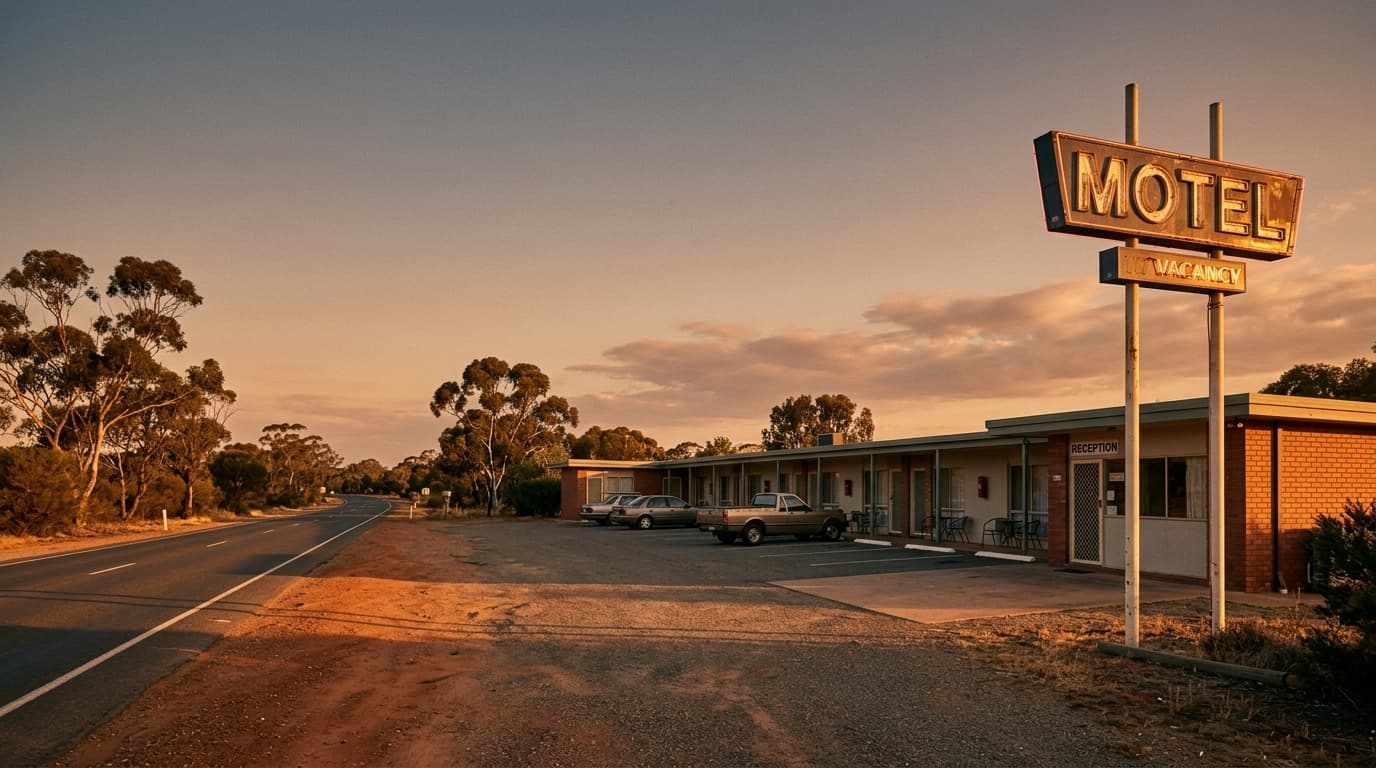
Motels are a popular lifestyle and investment business to buy in Australia, offering steady accommodation income and, in many cases, a place to live and work in a regional community. The most important thing to understand first is tenure. You can buy a leasehold motel (the business only, typically $95,000 to $1.5 million), a freehold going concern (the business and the property together, usually $750,000 to $4 million or more), or a passive freehold investment (the property leased to an operator). Each is a very different purchase with very different returns. A motel can be a rewarding owner-operator business or a hands-off property investment, depending on how you buy it. But the structure, the lease term, the room count and the real occupancy figures all have a huge bearing on whether a motel is a good buy. This guide explains the ownership types, what motels cost, the returns to expect, how they are valued, and exactly what to check before you commit. Motels appeal to buyers for two reasons: steady, essential accommodation demand, and the lifestyle of running your own business, often in a scenic regional location where you can live on-site. Travellers, workers, tourists and event visitors all need a bed for the night, which gives motels dependable income. Many also carry additional revenue from a restaurant, bar or function space. The appeal is a self-contained business you can own and operate. A well-located motel enjoys repeat and seasonal demand, the chance to lift income through better marketing and online reviews, and, for owner-operators, the lifestyle of a home and business in one. For buyers who prefer a hands-off approach, a motel can also be a passive property investment. Motels sit within the wider accommodation sector alongside options like management rights. There are three ways to own a motel in Australia, and choosing the right one is the most important decision you will make. A leasehold motel means you buy and run the business while leasing the property, which is the cheapest entry. A freehold going concern means you own both the property and the business and operate it yourself, the most common owner-operator purchase. A passive freehold investment means you own the property and lease it to an operator, collecting rent as a hands-off landlord. Here is how the three compare: Leasehold. You buy the business and the right to operate from the site, and pay rent to the landlord. The lowest entry cost, with returns based on the net profit relative to the rent. The length of the lease is critical, as a short lease is worth far less. Freehold going concern (FHGC). You own the land, building and business, and run the motel yourself. The highest entry cost, but you control a property asset and the operation, and this structure offers the strongest returns on paper. Passive freehold investment. You own the property and lease it to an operator, earning rent without running the motel. A genuinely passive property investment, typically sold on a yield basis. Match the structure to your goals. Leasehold suits operators who want to run a motel with less capital, freehold going concern suits those who want to own and operate, and passive freehold suits investors who want property income without the work. If passive property income appeals, see our guide to buying an investment property. Motel prices in Australia depend heavily on the tenure, the number of rooms and the location. A leasehold motel typically costs $95,000 to $1.5 million, with many quality leaseholds around $500,000 to $1.3 million. A freehold going concern, which includes the property, usually ranges from $750,000 for a small regional motel to $4 million or more for a larger site, with premium motels exceeding $7 million. Passive freehold investments are priced on their rental yield. Price scales with room count and region. A small eight to twelve room regional motel freehold can start under $800,000, while a large coastal or highway motel with a restaurant runs into the millions. Leaseholds are far cheaper because you are not buying the land. Browse current businesses for sale, and because motels are a significant purchase, see our business loans guide and our guide on how much it costs to buy a business. Motel returns vary by tenure. A freehold going concern offers the strongest return on paper, averaging around 25 to 27 percent in early 2026, because you earn both the operating profit and own the asset. Leaseholds also deliver strong percentage returns on a lower investment. A passive freehold investment is a property play, typically yielding around 7 to 8 percent. Net profit ranges widely, from roughly $177,000 for a small motel to over $1 million for a large, well-run site. The reason owner-operated motels show such high headline returns is that you capture the full operating profit on a relatively modest investment, especially with a leasehold. A passive freehold is different: you trade operating profit for a hands-off rental yield. Whichever you choose, profitability is driven by the key hospitality metrics: the occupancy rate, the average daily room rate, revenue per available room (RevPAR), and net profit per room, often called net profit per key. Verify all of these against real booking data. Motels with strong, verifiable income feature among the most profitable businesses to buy. Freehold going concern motels are valued on a going-concern basis that tests the room count, the achievable room rate, the occupancy and any additional income, producing a figure that reflects both the property and the business. Leasehold motels are valued on their net profit and the strength and length of the lease, with a longer lease worth considerably more. Net profit per key is a common benchmark across the industry. Because a motel blends a business with, in freehold cases, significant property, its valuation is more involved than a typical small business. A leasehold is valued on the trading profit and the remaining lease term, so a lease with under fifteen years to run is worth measurably less. A freehold going concern is valued on the whole operating asset. Run any asking price through our free business valuation tool, and see our full guide on how to value a business for the methods. Before buying a motel, verify the occupancy rate, room rate and income against real booking records, check the lease term for a leasehold or the property condition for a freehold, review the room count and condition, study the online reviews and forward bookings, and assess the location's demand drivers. Because income is tied to occupancy, independently confirming the trading figures is the most important step. The key due-diligence points: Verify the income. Cross-check occupancy, room rate and RevPAR against booking platform data and bank records. Lease or property. For a leasehold, confirm the lease term and rent, remembering a short lease reduces value. For a freehold, assess the building and room condition. Rooms and condition. Check the number of rooms, their standard, and any refurbishment needed. Reputation and bookings. Review online ratings, guest reviews and forward bookings. Additional income. Factor in any restaurant, bar or function revenue. Location and demand. Highway exposure, tourism, nearby hospitals, industry or events all drive occupancy. For the full process, follow our ultimate guide to buying a business in Australia, and for timing the accommodation market, see our guide on signs it's time to buy a hospitality business. Running a motel is hands-on if you buy a leasehold or freehold going concern, since you manage bookings, guests, cleaning and maintenance, often living on-site as an owner-operator. It becomes passive only if you buy a freehold as an investment and lease it to an operator, collecting rent without running the business. Many owner-operators enjoy the lifestyle, while others employ a manager to reduce the day-to-day load. Be realistic about which you are signing up for. An owner-operated motel is a genuine lifestyle business that rewards hospitality and hard work, and many are run successfully by couples living on-site. If you want property income without the work, a passive freehold investment is the hands-off route. You can also buy an owner-operator motel and put a manager in place, though that reduces your net return. To buy a motel, choose your tenure, set your budget, shortlist sites, verify the occupancy and income, check the lease or property, then complete the purchase with an accountant and solicitor. A freehold going concern is typically financed to around 70 percent of the price on a going-concern valuation, so specialist accommodation finance and professional advice are important. The steps in brief: Choose leasehold, freehold going concern or passive freehold, and set your budget. Shortlist motels and request the occupancy, room rate and income data. Verify the figures against booking records, and check the lease or property. Value the motel and arrange specialist finance. Negotiate and complete the purchase with professional advice. You can find motels for sale on marketplaces like Exity, where you can filter by price and location. Browse leasehold and freehold opportunities across regional and coastal Australia, and focus on motels with strong, verifiable occupancy, a good location and, for leaseholds, a long lease. Comparing motels across regions often reveals better value and stronger demand. Start by browsing businesses for sale on Exity and filtering to your budget and preferred region. If you are weighing an owner-operated motel against a passive property investment, our guides to commercial investment property and buying an investment property are useful comparisons. A motel can be a rewarding lifestyle business or a solid property investment, but the right choice starts with tenure. Decide whether you want to run a leasehold, own and operate a freehold going concern, or hold a passive freehold investment, then verify the occupancy and income against real booking data, check the lease or property carefully, and assess the location's demand. Do that, and a well-chosen motel can deliver strong returns and, for many owners, a genuine change of lifestyle. Ready to explore? Browse businesses for sale on Exity and filter by price and location to find a motel that fits your budget and goals. How much does it cost to buy a motel in Australia? It depends on the tenure, rooms and location. A leasehold motel typically costs $95,000 to $1.5 million, with many quality leaseholds around $500,000 to $1.3 million. A freehold going concern, which includes the property, usually ranges from $750,000 for a small regional motel to $4 million or more, with premium sites exceeding $7 million. Passive freehold investments are priced on their rental yield. What is a freehold going concern motel? A freehold going concern motel means you buy both the property and the operating business together and run the motel yourself. It is the most common owner-operator purchase and offers the strongest returns on paper, averaging around 25 to 27 percent in early 2026, because you earn the full operating profit and own the land and building as an asset. What is the difference between a leasehold and freehold motel? A leasehold motel means you buy and run the business while leasing the property from a landlord, which is the cheapest entry but makes the lease term critical. A freehold motel means you own the land and building, either operating it yourself as a going concern or leasing it to an operator as a passive investment. Freehold costs far more but includes a property asset. How profitable is a motel in Australia? Motel profitability varies by tenure. A freehold going concern averages around 25 to 27 percent return on paper, leaseholds deliver strong percentage returns on a lower investment, and passive freehold investments yield around 7 to 8 percent. Net profit ranges from roughly $177,000 for a small motel to over $1 million for a large, well-run site. Occupancy and room rate drive the figures. What should I check before buying a motel? Verify the occupancy rate, room rate and income against real booking records, check the lease term for a leasehold or the property condition for a freehold, review the room count and standard, study online reviews and forward bookings, and assess the location's demand drivers such as tourism, highways and local industry. Independently confirming the trading figures is essential.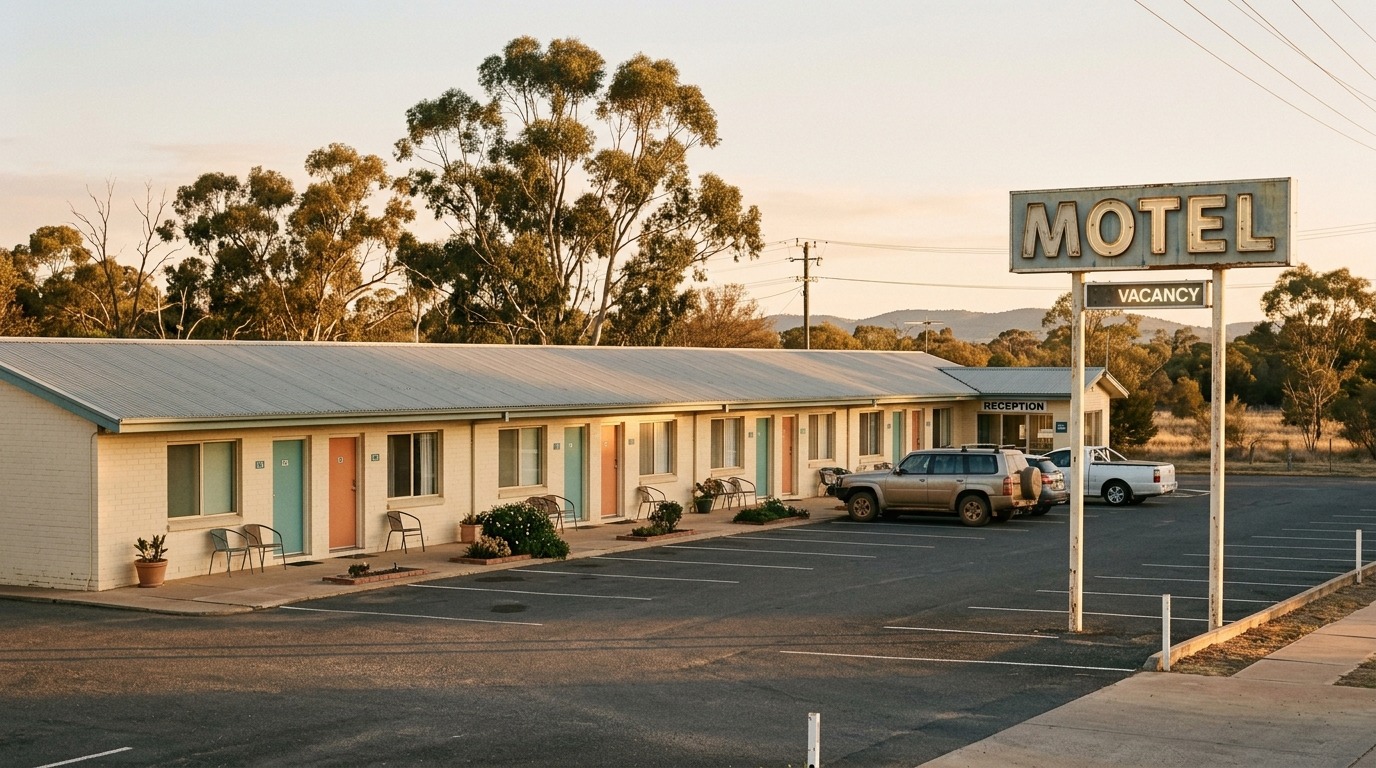
Why buy a motel?
Leasehold vs freehold going concern vs passive freehold: which should you buy?
How much does a motel cost to buy in Australia?
How profitable is a motel? What returns can you expect?
How are motels valued?
What should you check before buying a motel?
Is running a motel hands-on or passive?
How do you finance and buy a motel in Australia?
Where can you find motels for sale in Australia?
The bottom line
Frequently asked questions