Petrol and service stations are a substantial, income-producing business to buy in Australia, with prices ranging from around $125,000 for a small commission site to $5 million or more for a freehold station including the property. The crucial thing most buyers miss is that fuel itself earns very thin margins. It is the convenience store, workshop and other services that generate the real profit, while the fuel draws the traffic. The business model, the lease or freehold status, and the condition of the underground fuel tanks all shape the deal.
A service station can be a reliable, high-traffic business with multiple income streams, but it is more complex than most small businesses, with important environmental and contractual considerations. This guide covers the types of station, what they cost, where the profit really comes from, how they are valued, and the critical checks to make before you buy.
Why buy a petrol or service station?
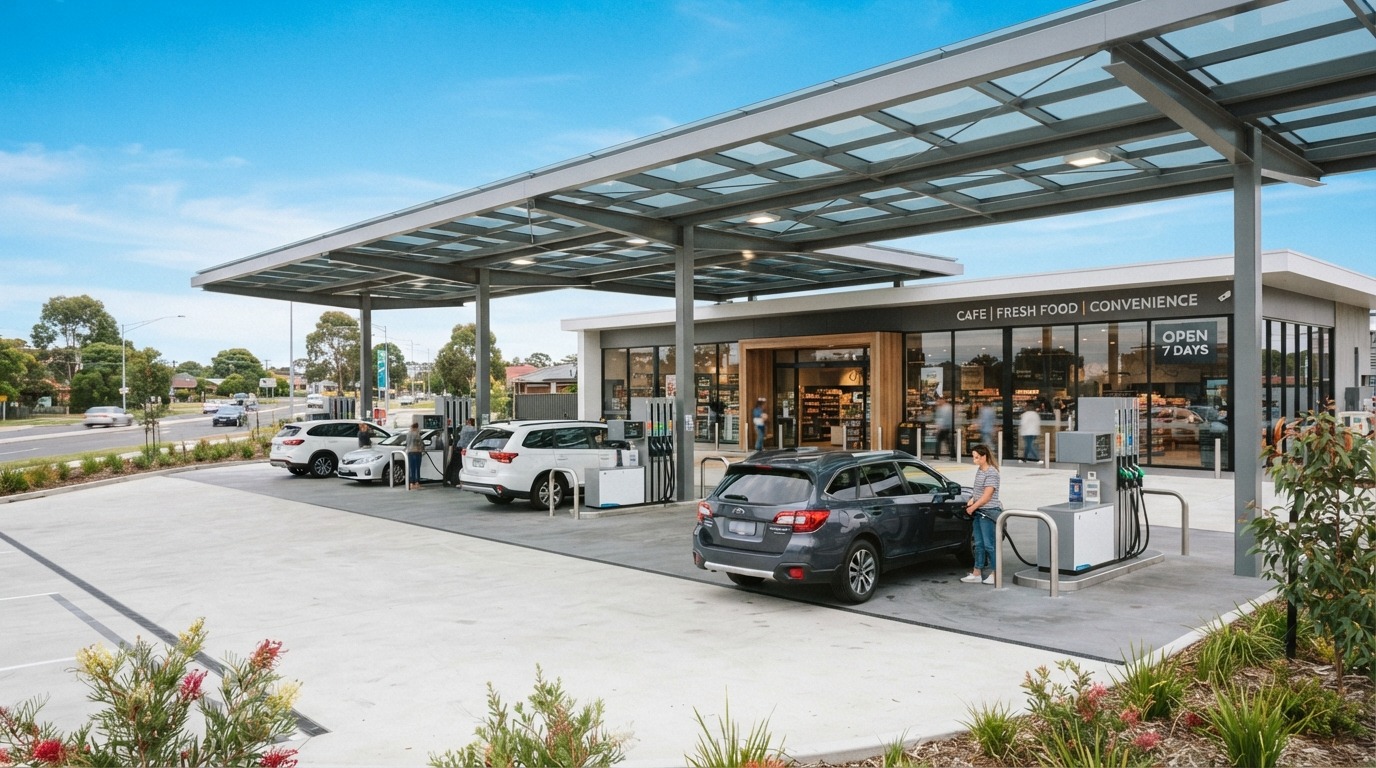
Petrol and service stations attract buyers because they combine steady, essential demand with multiple income streams under one roof. Fuel brings constant traffic to the site, while the convenience store, workshop, food outlet and other services turn that traffic into profit. Many stations trade long hours or around the clock, and the mix of fuel and retail makes for a resilient, high-turnover business.
The appeal is a busy, diversified operation. A single site can earn from fuel commissions or margin, convenience retail, mechanical or tyre services, food, a car wash, and extras like a post office or ATM. This diversity cushions the business, since a quiet fuel month can be offset by strong shop sales. Service stations with several income streams are consistently among the more sought-after listings. If the property angle appeals, our guide to commercial premises for sale is a useful companion read.
What are the different types of service station business?
There are three main ways to own a service station in Australia: a commission agent site, a branded leasehold or franchise site, and an independent or freehold station. A commission site is the lowest cost and lowest risk, since the fuel company owns the fuel and pays you a commission. A branded leasehold site gives you more control and margin for a higher cost, and a freehold station means you own the property as well as the business.
Think of it as a ladder of cost, control and risk:
Commission agent site. The fuel company owns the fuel and pays you a commission on sales, while you run and keep the profit from the shop. Lowest entry cost and risk, but least control over fuel pricing.
Branded leasehold or franchise. You lease the site, operate under a brand such as Shell, BP, Ampol or 7-Eleven, buy fuel wholesale, and keep both the fuel margin and the shop profit. Moderate cost, with a head lease and sometimes franchise fees.
Independent or freehold. You run the station independently, buying fuel on the open market, and with a freehold you also own the land and building. The largest investment, but full control and a property asset.
For the branded and franchise route, our complete franchise buying guide covers what to expect.
How much does a petrol station cost to buy in Australia?
Petrol station prices in Australia vary enormously by model and whether the property is included. A small commission site typically costs $125,000 to $500,000, a branded leasehold station $500,000 to $1.6 million, and a freehold station that includes the land and building $2 million to $5 million or more. Stock at Valuation, usually $100,000 to $150,000, is generally added on top of the business price.
Price reflects the ownership model, the site's traffic and income, and the value of any freehold property. A commission agent site is the cheapest way in, while a freehold highway station is the most expensive because you buy real estate as well as a business. Browse current businesses for sale, or for smaller commission sites, businesses under $500k. Our guide on how much it costs to buy a business explains the full budget, and because stations are a big-ticket purchase, our business loans guide covers financing.

How profitable is a service station? Where does the profit come from?
The profit in a service station comes mainly from the convenience store and additional services, not the fuel. Fuel operates on very thin margins of just a few cents per litre and mostly serves to draw customers in, while the shop, workshop, food and other income streams carry much higher margins and generate the real earnings. Net profit varies widely, from around $110,000 for a smaller owner-operated station to $500,000 or more for a large or freehold site.
This is the single most important thing to understand before buying. A station can sell huge volumes of fuel and still make little money on it, so always look at where the profit actually sits. Strong convenience retail, a busy workshop or a food offer can transform the economics, which is why stations with diverse, high-margin income streams are the most valuable. The convenience store is effectively a high-traffic shop, and many of the principles in our shops for sale guide apply. Service stations with strong retail feature among the most profitable businesses to buy.
How are petrol stations valued?
Petrol stations are usually valued on a multiple of the net profit to the owner, adjusted for factors like the brand, the fuel supply agreement, the lease terms and the site's traffic. For a freehold station, the land and building are valued separately and often make up a large share of the price, since the real estate can be worth more than the trading business. Verify the net profit and the fuel supply terms carefully before relying on any valuation.
Because a service station blends a business with, in many cases, significant property, the valuation is more involved than for a typical small business. A leasehold or commission site is valued on its trading profit, while a freehold adds the property value on top. Run any asking price through our free business valuation tool, and see our full guide on how to value a business for the methods.
Freehold vs leasehold vs commission: which should you buy?
The right model depends on your budget, experience and appetite for risk. A commission site is the cheapest and lowest-risk entry, ideal for first-time operators, since the fuel company carries the fuel. A branded leasehold station offers more control and margin at a higher cost, suiting experienced operators. A freehold station is the largest investment but gives you a tangible property asset and complete control, making it attractive to buyers with capital who want long-term security.
Match the model to where you are. If you are new to fuel retail or working to a tighter budget, a commission site lets you learn the business with limited downside. If you have experience and capital, a branded leasehold or freehold station offers greater reward. Freehold in particular combines a business with real estate, which adds security and capital-growth potential but ties up far more money.
What should you check before buying a service station?
Before buying a service station, verify the fuel and shop income separately, review the fuel supply agreement and any franchise or lease terms, and critically, investigate the condition and compliance of the underground fuel tanks. Environmental compliance is unique to this industry and can carry major liability, so it must be checked by a specialist. Also assess the site's traffic, the staffing model and the outlook for electric vehicles.
The key due-diligence points:
Underground fuel tanks and environmental compliance. Ageing or leaking underground petroleum storage systems can create serious contamination liability. Confirm the tanks are compliant and commission a specialist environmental assessment.
Verify income by stream. Check fuel, shop, workshop and other income separately against records.
Fuel supply agreement. Review the contract with the fuel supplier or brand, including pricing and term.
Lease or freehold. Confirm the lease term and rent, or the property details for a freehold.
Location and traffic. Highway exposure, passing traffic and competition drive volume.
Staffing. Many stations trade long hours, so understand the roster and wage costs.
For the full process, follow our ultimate guide to buying a business in Australia.
What about electric vehicles and the future of service stations?
The shift to electric vehicles is a long-term consideration for service station buyers, but it is a gradual transition, and petrol and diesel demand remains strong across most of Australia for now. Forward-looking stations are adding EV charging and leaning further into non-fuel income like convenience retail and food, which already drive most of the profit. A station with strong retail and services is well positioned whatever happens with fuel.
Rather than a reason to avoid the sector, the EV transition is a reason to favour stations with diverse, high-margin income streams and, ideally, the space to add charging. Because the shop and services already carry the profit, a well-run station is less exposed to fuel trends than it first appears. Factor the long-term outlook into your decision, especially for a freehold purchase, but do not overlook the strong current demand.
How do you buy a service station in Australia?
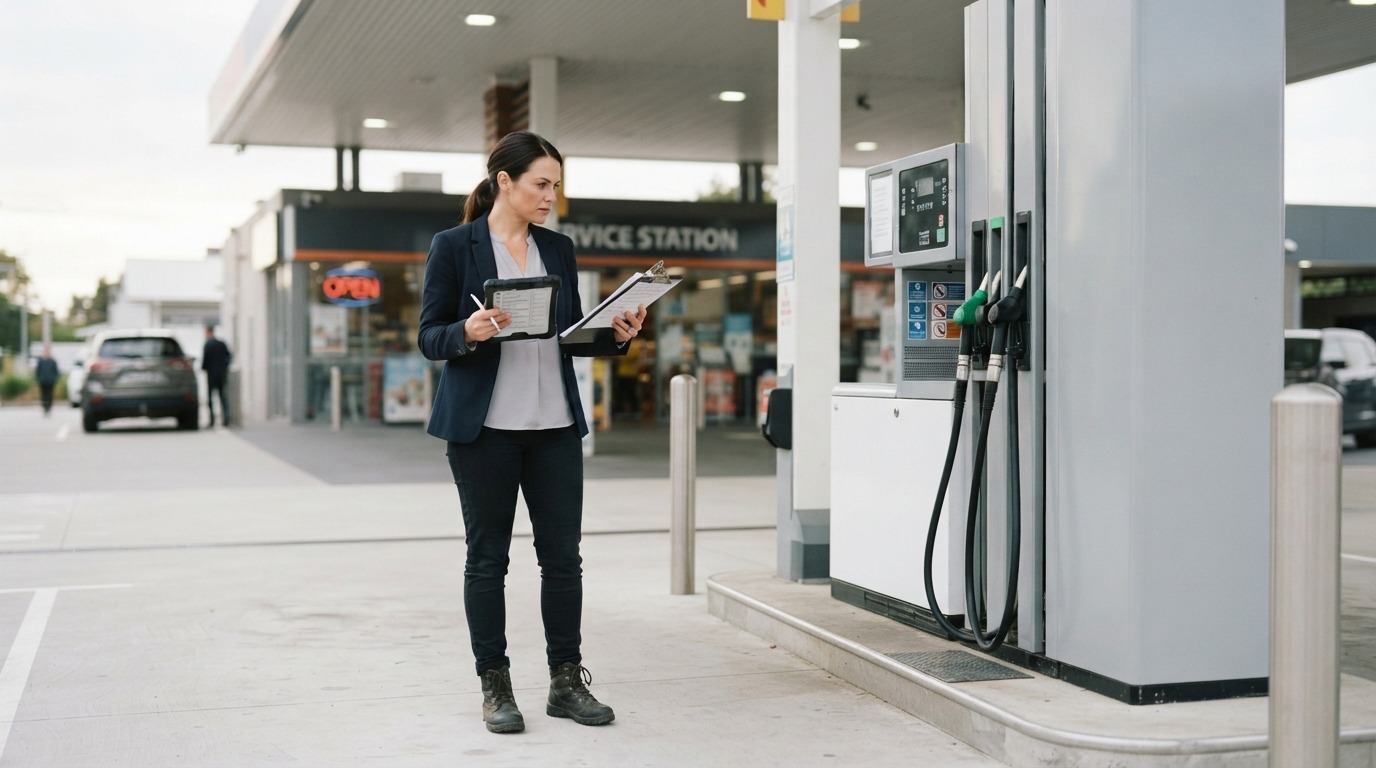
To buy a service station, choose your model and budget, shortlist sites, verify the income across all streams, review the fuel supply agreement and lease or freehold, commission an environmental assessment of the underground tanks, then complete the purchase with an accountant and solicitor. The environmental and fuel-supply checks are specialist steps that make professional advice essential for this industry.
The steps in brief:
Choose commission, leasehold or freehold, and set your budget.
Shortlist sites and request income by stream.
Verify income, the fuel supply agreement and the lease or freehold.
Commission a specialist environmental and tank assessment.
Negotiate, arrange finance, and complete with professional advice.
Where can you find petrol and service stations for sale in Australia?
You can find petrol and service stations for sale on marketplaces like Exity, where you can filter by price and location. Browse commission sites, branded leasehold stations and freehold opportunities, and focus on sites with strong non-fuel income, a good location and compliant infrastructure. Comparing sites across regions and highways often reveals better value and higher-traffic locations.
Start by browsing businesses for sale on Exity and filtering to your budget, or explore businesses under $500k for smaller commission sites. For the retail side of the business, our shops for sale guide is a useful read.
The bottom line
A petrol or service station can be a strong, diversified business to buy in Australia, but success depends on understanding where the money is made. Fuel brings the traffic; the convenience store and services bring the profit. Choose the model that suits your budget and experience, verify every income stream, review the fuel supply and lease, and never skip the environmental assessment of the underground tanks. Do that, and a well-located station can deliver reliable, high-turnover income for years.
Ready to explore? Browse businesses for sale on Exity and filter by price and location to find a petrol or service station that fits your budget.
Frequently asked questions
How much does it cost to buy a petrol station in Australia? Prices vary widely by model and whether the property is included. A small commission site typically costs $125,000 to $500,000, a branded leasehold station $500,000 to $1.6 million, and a freehold station with the land and building $2 million to $5 million or more. Stock at Valuation, usually $100,000 to $150,000, is generally added on top of the business price.
Are petrol stations profitable in Australia? Yes, but the profit comes mainly from the convenience store and services, not the fuel. Fuel earns only a few cents per litre and serves to attract traffic, while the shop, workshop and food carry much higher margins. Net profit ranges from around $110,000 for a small owner-operated station to $500,000 or more for a large or freehold site.
What is the difference between a commission, leasehold and freehold service station? A commission site is lowest cost and risk, as the fuel company owns the fuel and pays you a commission while you keep the shop profit. A branded leasehold station gives more control and margin for a higher cost, with a head lease and sometimes franchise fees. A freehold station is the largest investment but includes the land and building as a property asset.
How are petrol stations valued? Petrol stations are valued on a multiple of the net profit to the owner, adjusted for the brand, fuel supply agreement, lease terms and traffic. For a freehold station, the land and building are valued separately and often make up a large share of the price. Verify the net profit and fuel supply terms carefully before relying on any valuation.
What should I check before buying a service station? Verify the fuel and shop income separately, review the fuel supply agreement and lease or franchise terms, assess the site's traffic and staffing, and critically, commission a specialist assessment of the underground fuel tanks. Environmental compliance is unique to this industry and can carry major contamination liability, so it must never be overlooked