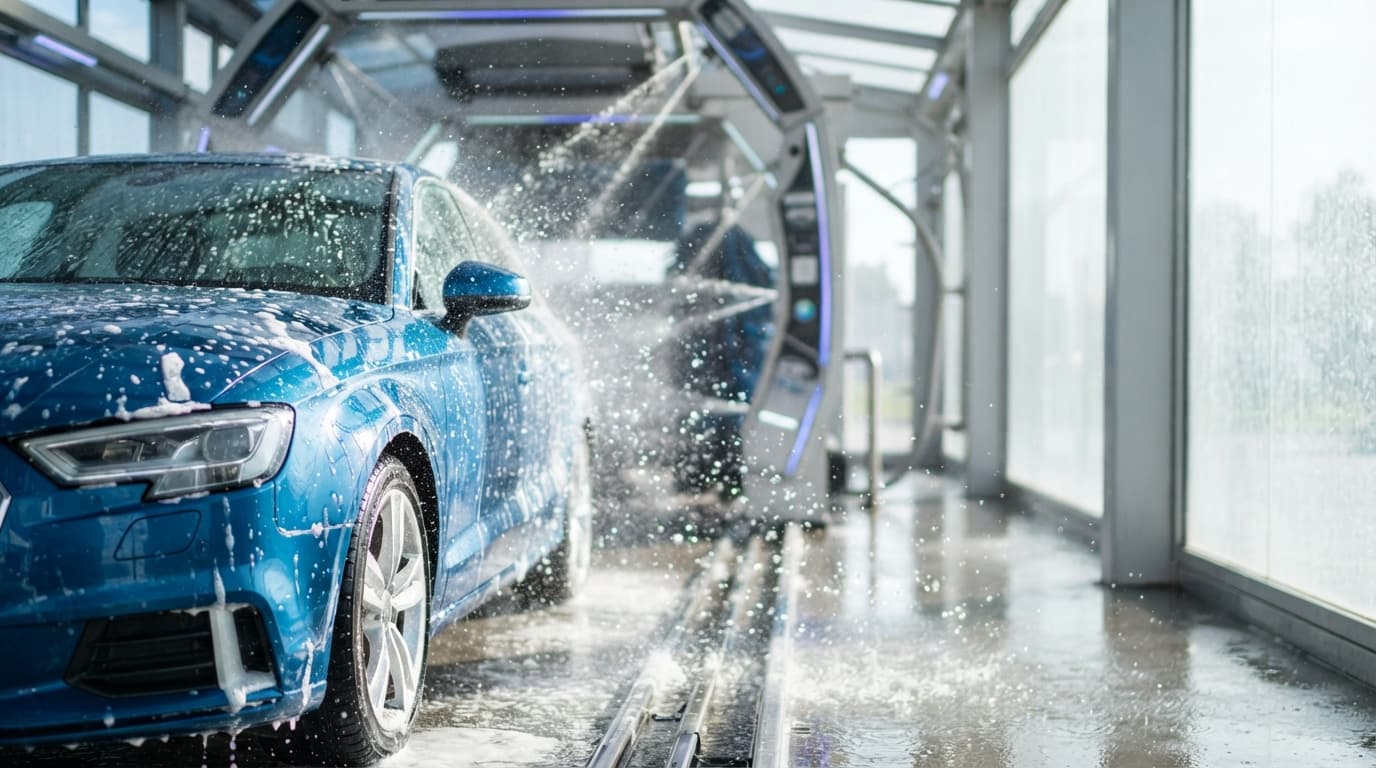
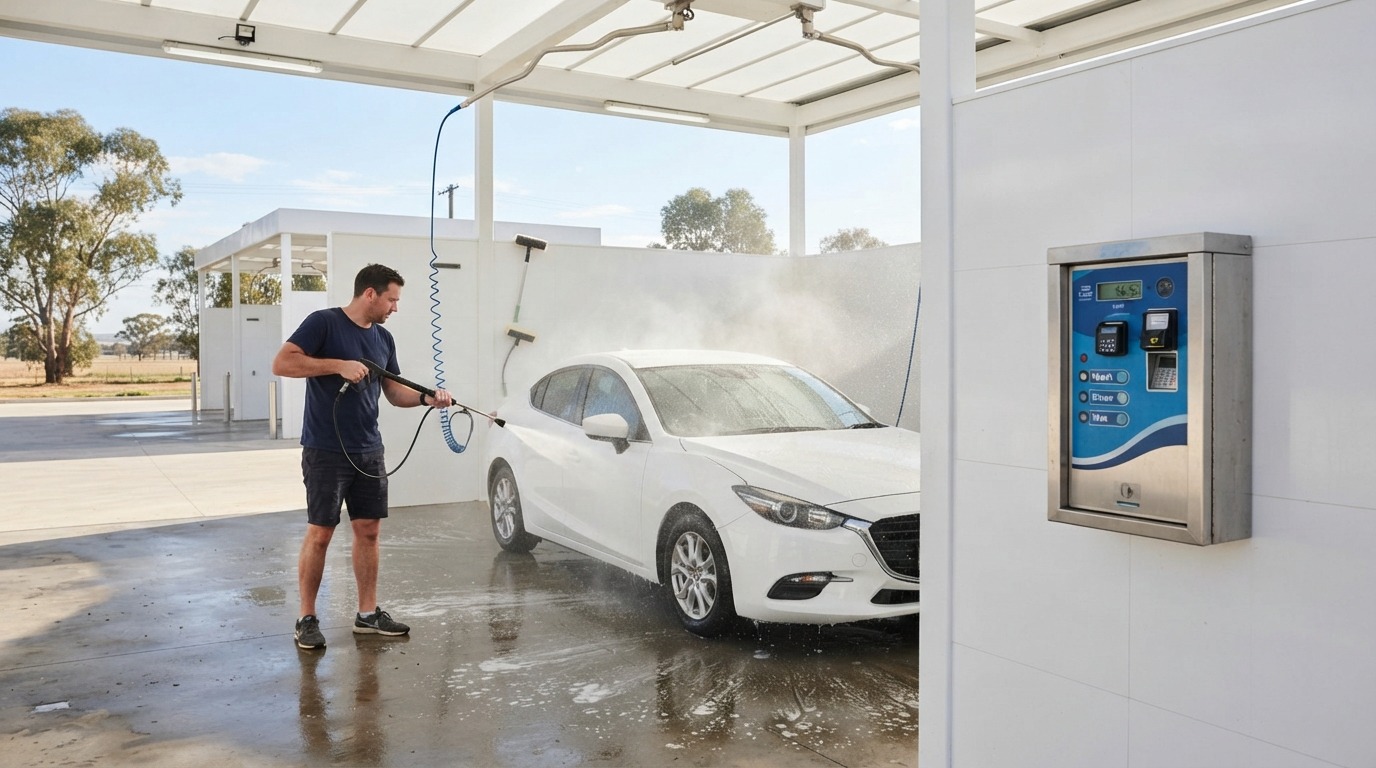
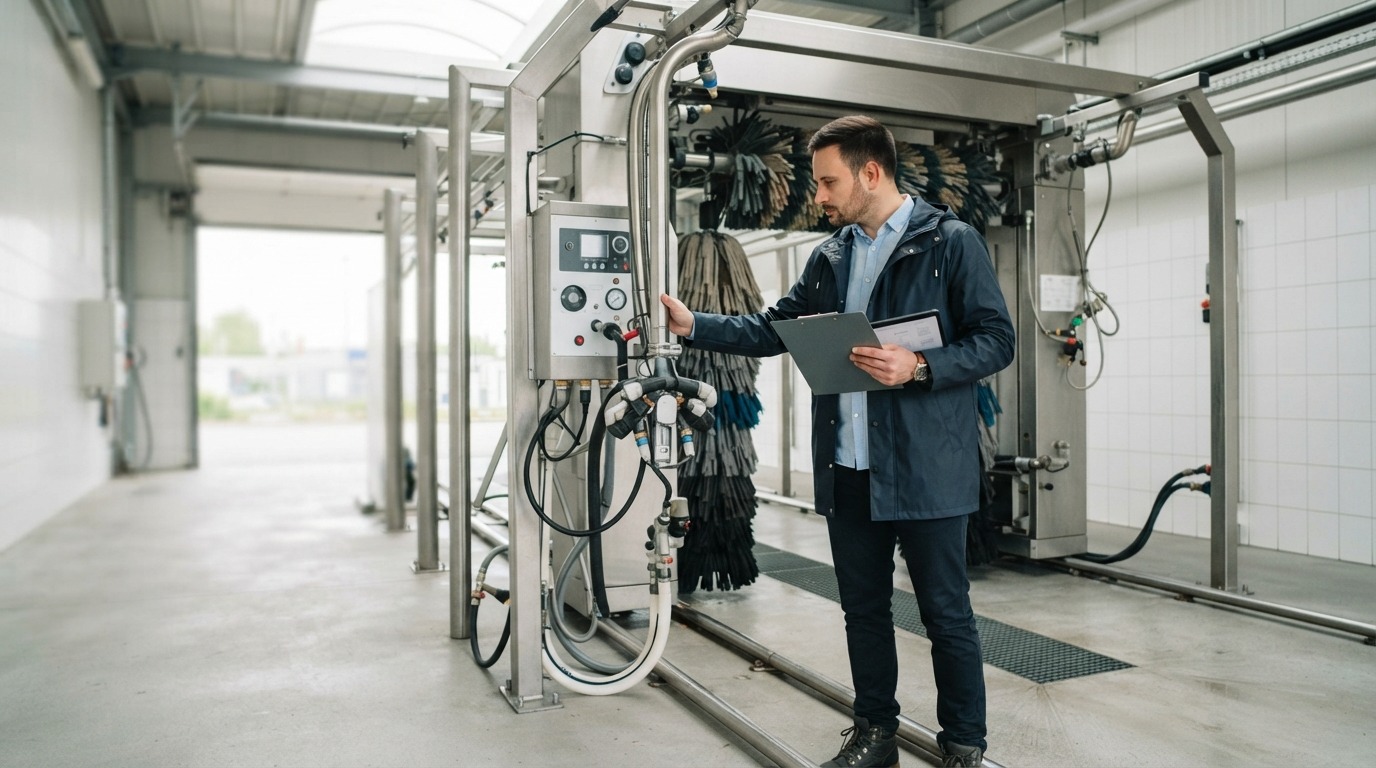
Car washes are one of the most popular semi-passive businesses to buy in Australia, thanks to strong margins, low labour and steady, weather-driven demand. Prices vary widely by type: a basic self-serve site or detailing business often costs $100,000 to $250,000, a mid-sized automatic wash $400,000 to $800,000, and a premium tunnel facility well over $1.5 million. Car washes are typically valued at 3 to 5 times EBITDA, and whether the site is freehold or leasehold changes the deal entirely. If you want a business that can run with minimal staff and generate reliable cash flow, a car wash is worth serious consideration. But not all car washes are the same. The type of wash, the location, and whether you own or lease the land all have a huge impact on profitability and price. This guide breaks down the types, the costs, the real margins, and exactly what to check before you buy. There are five main types of car wash for sale in Australia: self-serve bays, in-bay automatic washes, conveyor tunnel washes, hand or full-service car washes, and mobile detailing operations. Each has a very different mix of investment, labour and margin. Self-serve and automatic sites are the most hands-off and highest-margin, while hand car washes and full-service sites earn more per car but carry heavy labour costs. Understanding the types is the first step: Self-serve bays. Coin or card-operated bays where the customer does the work. Minimal labour, the highest margins, and largely passive once the equipment is maintained. In-bay automatic (IBA). A single automated machine washes the car while the driver stays in it. Moderate investment, strong margins, low staffing. Conveyor tunnel. High-volume automated tunnels found in premium metro sites. The largest investment, but the greatest capacity. Hand and full-service car washes. Staff wash and detail the vehicle. Higher revenue per car, but labour costs squeeze margins and these have faced the most pressure from rising wages. Mobile detailing. A van-based operation with very low startup costs and fast ROI, though volume is limited. The clear trend in 2026 is towards automation, driven partly by federal tax incentives like the instant asset write-off, as operators move away from labour-heavy models to protect margins. Car wash prices in Australia depend heavily on the type and whether the land is included. A basic self-serve site or a manual detailing business typically costs $100,000 to $250,000, a profitable mid-sized automatic car wash in a good location runs $400,000 to $800,000, and a large conveyor tunnel in a prime metropolitan spot can exceed $1.5 million. Sites that include the freehold property cost significantly more, because you are buying real estate as well as a business. Price tracks the type, the site quality and the income. A mobile detailing setup is the cheapest way in, while a freehold tunnel wash is the most expensive. Because the range is so wide, always match the price to the verified profit and the value of any included property. Browse current businesses for sale or filter to businesses under $500k, and see our guide on how much it costs to buy a business to budget the full purchase. Car wash margins vary widely by type. Self-serve washes deliver the strongest net margins, typically 40 to 50 percent, thanks to minimal staffing. In-bay automatic washes average 25 to 35 percent, and hand or full-service washes run 20 to 30 percent because of labour costs. Mobile detailing enjoys excellent margins on low volume. A smaller self-service wash might net $50,000 to $100,000 a year, while automated sites can earn considerably more. As with laundromats, it pays to separate the models. The broad car wash industry averages a modest net margin once struggling labour-heavy operators are included, but self-serve and automatic sites specifically sit much higher because they run with little or no labour. Revenue per car also varies: a self-serve wash earns around $3 to $8 per vehicle, an automatic $6 to $12, and a premium tunnel $15 to $25 or more with add-ons. Subscription and membership plans can lift these figures significantly. Car washes feature among our most profitable businesses to buy in Australia for exactly these reasons. Self-serve and automatic car washes can be a strong semi-passive investment, offering high margins, low staffing and steady demand that even rises in wet or dusty conditions. They are not fully passive, since equipment needs maintenance and sites need cleaning and restocking, but a well-run automated site can be largely hands-off. Full-service and hand car washes are more of a hands-on business due to their staffing needs. The appeal is reliable, weather-supported cash flow for limited effort, plus clear upside from adding a wash membership or subscription. Location is the single biggest driver of success: high visibility, easy access and proximity to shopping centres or busy residential areas all boost demand. If you want a genuinely low-effort model, focus on self-serve or in-bay automatic sites rather than labour-heavy full-service operations. Our guides to the best businesses to buy under $100k and the best businesses to buy in Perth both feature car washes as accessible, growing options. Car washes in Australia are typically valued at 3 to 5 times annual EBITDA, a higher multiple than many small businesses because of their semi-passive nature and steady demand. However, the site itself is just as important as the trading business. Car washes are one of the few small businesses where the underlying real estate can be worth more than the business operating on top of it, so freehold and leasehold sites are valued very differently. For a leasehold car wash, you value the business on its net income relative to the site rent. For a freehold car wash, you value both the business and the property, and the land often dominates the price. Verify the adjusted profit carefully, then treat the property separately. Run any asking price through our free business valuation tool, and see our full guide on how to value a business for the methods. A freehold car wash includes the land and building, so you own a property asset as well as the business, which adds security and long-term capital growth but a much higher price. A leasehold car wash is cheaper because you buy only the business and lease the site, but your success then depends heavily on the lease terms. For a leasehold site, a long, secure lease is essential, since the equipment is fixed to the location. This is the single most important distinction for a car wash buyer. Freehold gives you control and a tangible asset, and it removes the risk of a landlord ending your lease, but it ties up far more capital. Leasehold lowers the entry cost and can deliver strong returns on your investment, but a short or unfavourable lease can undermine the whole business. Decide which model suits your budget and risk appetite before you start shortlisting. If the property angle interests you, our guide to commercial premises for sale is worth a read. Before buying a car wash, confirm the type and its margins, verify the income against water and utility usage, check whether the site is freehold or leasehold and the lease terms, assess the age and condition of the equipment, confirm the Trade Waste Agreement and council approvals, and study the location, traffic and competition. Because most washes are cash or card based, independent verification of turnover is essential. The key due-diligence points: Wash type and margins. Match the model to the returns you expect. Verify income. Cross-check takings against water, chemical and electricity usage and bank records. Freehold or leasehold. Confirm ownership and, for leasehold, the lease term and rent. Equipment condition. Ageing wash systems mean looming replacement costs. Trade Waste Agreement. You must have an agreement with the local water authority to discharge wastewater, plus council registrations and zoning approval. Location and demand. Visibility, access, nearby traffic and local climate all drive volume. Competition. Check nearby washes and any planned developments. For the full process, follow our ultimate guide to buying a business in Australia. The main running costs of a car wash are water, chemicals, electricity, rent (for leasehold sites), equipment maintenance, insurance, and labour for full-service operations. Self-serve and automatic sites keep labour near zero, which is what protects their margins, while hand and full-service washes carry significant wage costs. Water and chemical usage and wastewater treatment are ongoing expenses unique to the industry. Controlling these costs is central to profitability. Efficient equipment reduces water and power use, preventative maintenance avoids costly breakdowns, and a fair lease protects your margins. One tax advantage worth discussing with your accountant: car wash equipment can qualify for accelerated depreciation and the instant asset write-off, which has helped drive the industry's shift to automation and can reduce taxable profit in the early years. To buy a car wash, decide which type suits your budget and goals, search and shortlist sites, verify the income and running costs, confirm freehold or leasehold status, value the business (and property, if included), then complete the purchase with an accountant and solicitor. For leasehold sites, assigning the lease and transferring the Trade Waste Agreement are critical steps. The steps in brief: Choose your model and budget, from mobile detailing to a freehold tunnel wash. Shortlist sites and request the financials. Verify income against water, chemical and utility usage. Confirm freehold or leasehold, and value accordingly. Negotiate, arrange finance, and complete with professional advice. If you need funding, our guide to business loans for buying a business covers your options. You can find car washes for sale on marketplaces like Exity, where you can filter by price and location. Start with the main listings, then narrow by budget and area, focusing on the wash type that suits you and sites with modern equipment and a strong location. Comparing sites across different areas often reveals better value and higher-traffic locations. Start by browsing businesses for sale on Exity and filtering to your budget, or explore businesses under $500k. If you are comparing car washes with other semi-passive options, our guide to laundromats for sale covers a similar low-labour model. A car wash can be one of the best semi-passive businesses to buy in Australia in 2026, but the type you choose matters enormously. Self-serve and in-bay automatic sites offer the highest margins and the most hands-off ownership, while full-service washes trade higher revenue for heavy labour. Decide between freehold and leasehold, verify the income, check the equipment and the Trade Waste Agreement, and buy a well-located, proven site. Do that, and a car wash can deliver strong, reliable returns. Ready to explore? Browse businesses for sale on Exity and filter by price and location to find a car wash that fits your budget. How much does it cost to buy a car wash in Australia? It depends on the type and whether the land is included. A basic self-serve site or manual detailing business typically costs $100,000 to $250,000, a mid-sized automatic car wash $400,000 to $800,000, and a premium conveyor tunnel over $1.5 million. Freehold sites that include the property cost significantly more, as you buy real estate as well as the business. Are car washes profitable in Australia? Yes, particularly self-serve and automatic models. Self-serve washes typically achieve net margins of 40 to 50 percent, in-bay automatics 25 to 35 percent, and full-service washes 20 to 30 percent. A smaller self-service wash might net $50,000 to $100,000 a year, with automated and multi-site operations earning considerably more. Location is the biggest driver of profitability. Is a car wash passive income? Self-serve and in-bay automatic car washes are semi-passive, running with minimal staff once the equipment is maintained, though they still need cleaning, restocking and maintenance. Full-service and hand car washes are hands-on due to their staffing needs. For the most passive option, focus on self-serve or automatic sites rather than labour-heavy full-service washes. How do you value a car wash? Car washes are usually valued at 3 to 5 times annual EBITDA, but the site is just as important as the business. Car washes are one of the few small businesses where the real estate can be worth more than the trading operation, so freehold sites are valued on both the business and the property, while leasehold sites are valued on net income relative to the rent. What licences does a car wash need in Australia? There is no specific federal licence, but you must secure a Trade Waste Agreement from your local water authority, which governs how you treat and discharge chemical wastewater. You also need standard local council business registrations and zoning approvals. Always confirm these are in place and transferable before buying a car wash.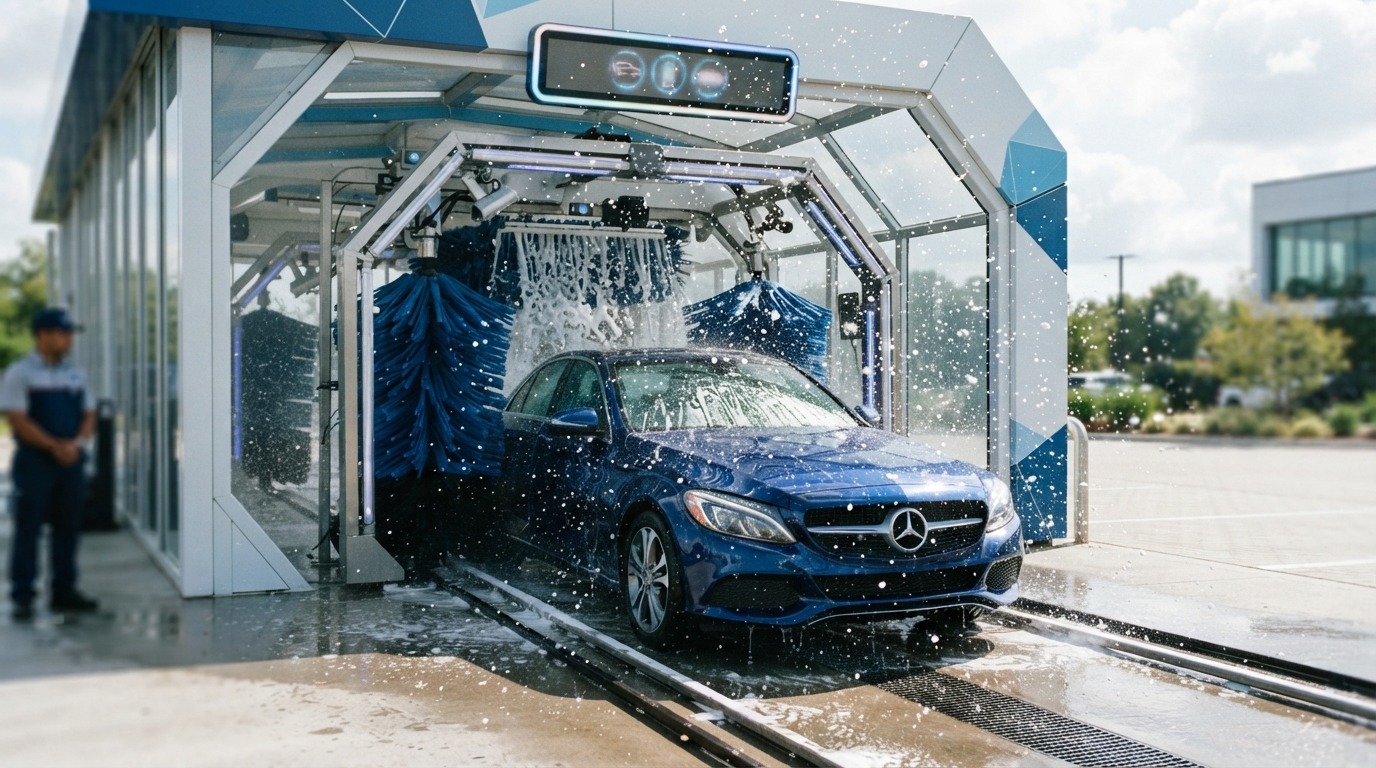
What types of car wash can you buy?
How much does a car wash cost to buy in Australia?
How profitable is a car wash? What are the margins?
Are car washes a good investment and passive income?
How do you value a car wash?
Freehold vs leasehold car wash: which should you buy?
What should you check before buying a car wash?
What are the running costs of a car wash?
How do you buy a car wash in Australia?
Where can you find car washes for sale in Australia?
The bottom line
Frequently asked questions