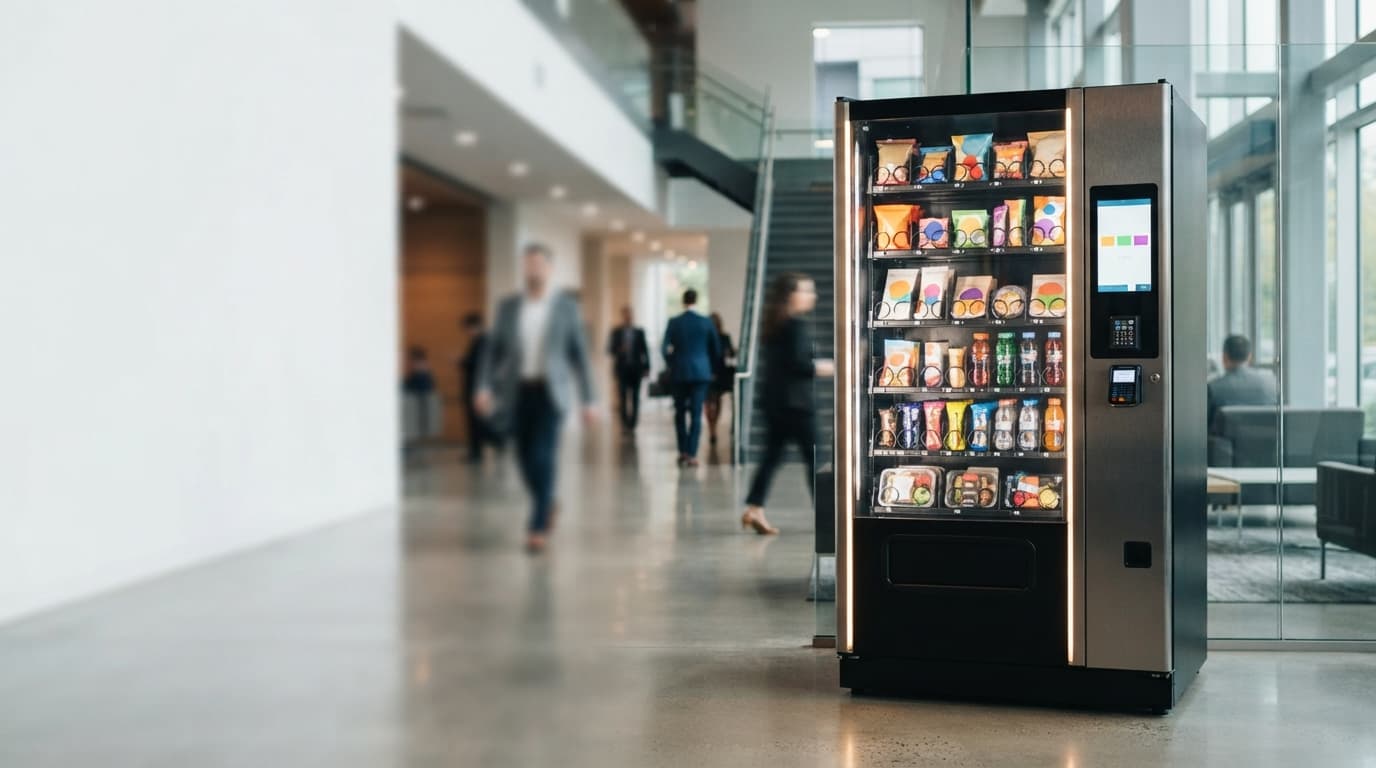
A vending machine business is one of the most accessible semi-passive businesses to buy in Australia, offering low overheads, flexible hours and scalable income. Established vending routes typically sell for around $10,000 to $150,000 depending on the number of machines and locations, priced at roughly 2 to 3 times annual net profit. The real value lies not in the machines themselves but in the location contracts, which is why verifying those agreements is the most important part of any purchase. Vending appeals to buyers who want a business they can run around other commitments, scale at their own pace, and operate without staff. But profitability depends heavily on machine placement, product mix and the strength of the site agreements. This guide covers what a vending business costs, how profitable it really is, the machine types, and exactly what to check before you buy. A vending machine business is a route of machines placed in high-traffic locations under agreements with the site owners, which you stock, service and collect income from. When you buy an established vending business, you are really buying that network of machines and, more importantly, the location contracts that keep them earning. Your job is to keep them stocked, working and well-placed. The model is simple and scalable. You supply and maintain machines in offices, schools, gyms, hospitals, factories, shopping centres and similar sites, and you earn the difference between what customers pay and what the stock and site fees cost you. Because there are no staff and minimal premises costs, vending is a genuinely low-overhead business, and one of the standout options in our guide to the best businesses to buy under $100k. Vending machine businesses in Australia are usually priced at around 2 to 3 times their annual net profit. A small route of 5 to 10 machines typically costs $10,000 to $50,000, a medium route $50,000 to $150,000, and a large multi-location operation can exceed $500,000. Buying a single machine to start costs far less, generally $3,000 to $12,000 depending on whether it is used, new or a premium combo model. Price reflects the number of machines, the quality of their locations and the proven income. A route generating $50,000 in net profit might sell for $100,000 to $150,000. Buying an established route is usually smarter than starting from scratch, because you inherit working machines, proven sales data and existing site agreements. Browse current businesses for sale or filter to businesses under $500k, and see our guide on how much it costs to buy a business for the full budget picture. Vending profitability depends on placement and machine type. A well-placed machine in Australia generates around $700 to $1,000 a month in gross revenue, leaving roughly $350 to $500 a month in net profit after stock, card fees and site commissions. Margins vary by product: snack and drink machines typically run 30 to 40 percent, coffee machines 50 to 70 percent, and specialty machines even higher. Real income comes from running multiple machines at scale. This is the honest truth about vending: one or two machines is a modest side income, not a business. The money is made by building a route of well-placed machines, which is exactly why buying an established multi-machine business can be more attractive than starting alone. A route of 15 to 20 productive machines can generate a meaningful full or part-time income. Vending features among our most profitable businesses to buy in Australia precisely because of its low overheads and scalability. Vending machines are semi-passive rather than fully passive. Modern machines with cashless payments and remote monitoring let you track sales and stock levels from your phone, but you still need to restock, service, collect and occasionally repair them. The larger your route, the more time it takes, though many operators outsource restocking as they scale. It is a flexible, low-effort business, not a hands-off one. Technology has made vending far more efficient than it used to be. Telemetry tells you which machines need restocking before you drive out, and cashless readers remove cash handling entirely. This makes it easy to run around a job or other commitments, and straightforward to scale by adding machines or hiring help. If you want other low-effort models to compare, see our guides to laundromats for sale and car washes for sale. The main vending machine types are snack machines, drink machines, combination (combo) machines, coffee machines, fresh food machines, ice machines and specialty machines. Combo machines that vend both snacks and drinks are the most popular for their versatility, while coffee, ice and specialty machines can deliver higher margins in the right locations. The best type depends entirely on the site and its customers. A quick guide to the options: Snack and drink machines. The classic choice, with stable demand and margins around 30 to 40 percent. Combo machines that do both are the most flexible. Coffee machines. High-frequency, high-margin (often 50 to 70 percent), ideal for offices and hospitals. Fresh food machines. Strong in universities and business parks, though stock spoilage needs managing. Ice machines. Low labour and high margin, suited to warm climates and specific sites. Specialty machines. Custom or novelty products in malls and entertainment venues can carry very high margins. The single biggest driver of a vending business's value is the quality and security of its location contracts. High-traffic sites like offices, gyms, hospitals, schools and shopping centres generate the sales, and a secured, transferable agreement is what protects that income. When you buy a route, you are buying those locations as much as the machines, so a business with strong, long-term site agreements is worth far more than one with machines in weak or uncertain spots. This is the concept that separates a good vending purchase from a poor one. A shiny machine in a low-traffic location earns little, while an older machine in a busy office can be a goldmine. Always focus on where the machines are and how secure those placements are. Losing a top location can wipe out a big share of your income overnight, which is why the contracts matter more than the hardware. Before buying a vending machine business, verify the income against sales data and bank records, confirm that the location contracts transfer to you and how long they run, check the age and cashless capability of the machines, and review the site commissions and running costs. Because the locations are the real asset, confirming those agreements are secure and transferable is the most important step. The key due-diligence points: Verify the income. Cross-check claimed takings against machine sales reports and bank deposits. Location contracts. Confirm each site agreement transfers, its remaining term, and the commission paid to the site owner (often 10 to 20 percent of gross sales). Machine age and technology. Older machines break down and may lack cashless payment, which is essential in 2026. Running costs. Review stock costs, card fees, power and insurance. Location quality. Assess the foot traffic and competition at each site. For the full process, follow our ultimate guide to buying a business in Australia. A vending machine business is usually valued at 2 to 3 times its adjusted annual net profit, plus the value of the machines and any vehicle included. The strength of the location contracts heavily influences the multiple: secure, long-term agreements in prime sites justify a higher figure, while machines in weak or short-term locations pull it down. Verify the net profit carefully, since the whole valuation depends on it. Because the machines are a real asset, a vending valuation combines the earnings multiple with the equipment value. Run any asking price through our free business valuation tool, and see our full guide on how to value a business for the methods and formulas. The main running costs of a vending business are stock and inventory, card processing fees of around 1.5 to 3 percent per sale, site commissions of roughly 10 to 20 percent of gross sales, power for refrigerated machines, insurance of around $500 to $1,500 a year, and machine repairs. There are no staff costs for an owner-operator, which is what keeps the model efficient, though restocking takes time as the route grows. Keeping these costs in check is central to profitability. Buying stock well, negotiating fair site commissions and using energy-efficient machines all protect your margins. Factor every one of these into your calculations before you buy, because a route that looks profitable on gross sales can be thin once site fees and card charges are deducted. Vending sits alongside other low-overhead models in our guide to asset-light businesses. To buy a vending machine business, set your budget, shortlist routes, verify the income and the location contracts, value the business, then complete the purchase, usually as an asset sale covering the machines, stock, vehicle and site agreements, with an accountant and solicitor. Ensuring the location contracts transfer to you is the single most important step. The steps in brief: Set your budget and target route size. Shortlist businesses and request sales data and the list of locations. Verify income and confirm each site contract transfers. Value the machines and the business. Negotiate, arrange finance, and complete the asset sale with professional advice. You can find vending machine businesses for sale on marketplaces like Exity, where you can filter by price and location. Start with the main listings, then narrow by budget and route size, focusing on businesses with modern, cashless machines in secure, high-traffic locations. Buying an established route with proven sales is almost always smarter than building one from scratch. Start by browsing businesses for sale on Exity and filtering to your budget, or explore businesses under $500k where most vending routes sit. If you are comparing vending with other semi-passive options, our laundromat and car wash guides cover similar low-labour models. A vending machine business can be a flexible, scalable and low-overhead way into business ownership, but success comes down to the locations. Buy an established route with secure, transferable site contracts, modern cashless machines and verified income, and you have a semi-passive business you can grow at your own pace. Chase the locations, not just the machines, and vending can deliver reliable returns for limited effort. Ready to explore? Browse businesses for sale on Exity and filter by price and location to find a vending machine business that fits your budget. How much does a vending machine business cost in Australia? Vending businesses are usually priced at 2 to 3 times annual net profit. A small route of 5 to 10 machines typically costs $10,000 to $50,000, a medium route $50,000 to $150,000, and a large operation can exceed $500,000. A single machine to start costs around $3,000 to $12,000, depending on whether it is used, new or a premium combo model. Are vending machines profitable in Australia? Yes, when placed in high-traffic locations. A well-placed machine generates around $700 to $1,000 a month in gross revenue and roughly $350 to $500 in net profit after costs. Margins range from 30 to 40 percent for snacks and drinks up to 50 to 70 percent for coffee. Real income comes from running multiple machines at scale. Is a vending machine business passive income? Vending is semi-passive rather than fully passive. Modern machines with cashless payments and remote monitoring let you track sales and stock from your phone, but you still need to restock, service and collect. It is flexible and low-effort, and easy to run around other commitments, but larger routes take more time or require outsourcing restocking. What is the most important thing to check when buying a vending business? The location contracts. When you buy a vending business, the machines matter less than the agreements that keep them in high-traffic sites. Confirm that each site contract transfers to you, how long it runs, and the commission paid to the site owner. Secure, transferable locations are what make a vending route genuinely valuable. How do you value a vending machine business? A vending business is usually valued at 2 to 3 times its adjusted annual net profit, plus the value of the machines and any vehicle. Secure, long-term contracts in prime locations justify a higher multiple, while weak or short-term placements lower it. Verify the net profit against sales data and bank records before relying on any figure.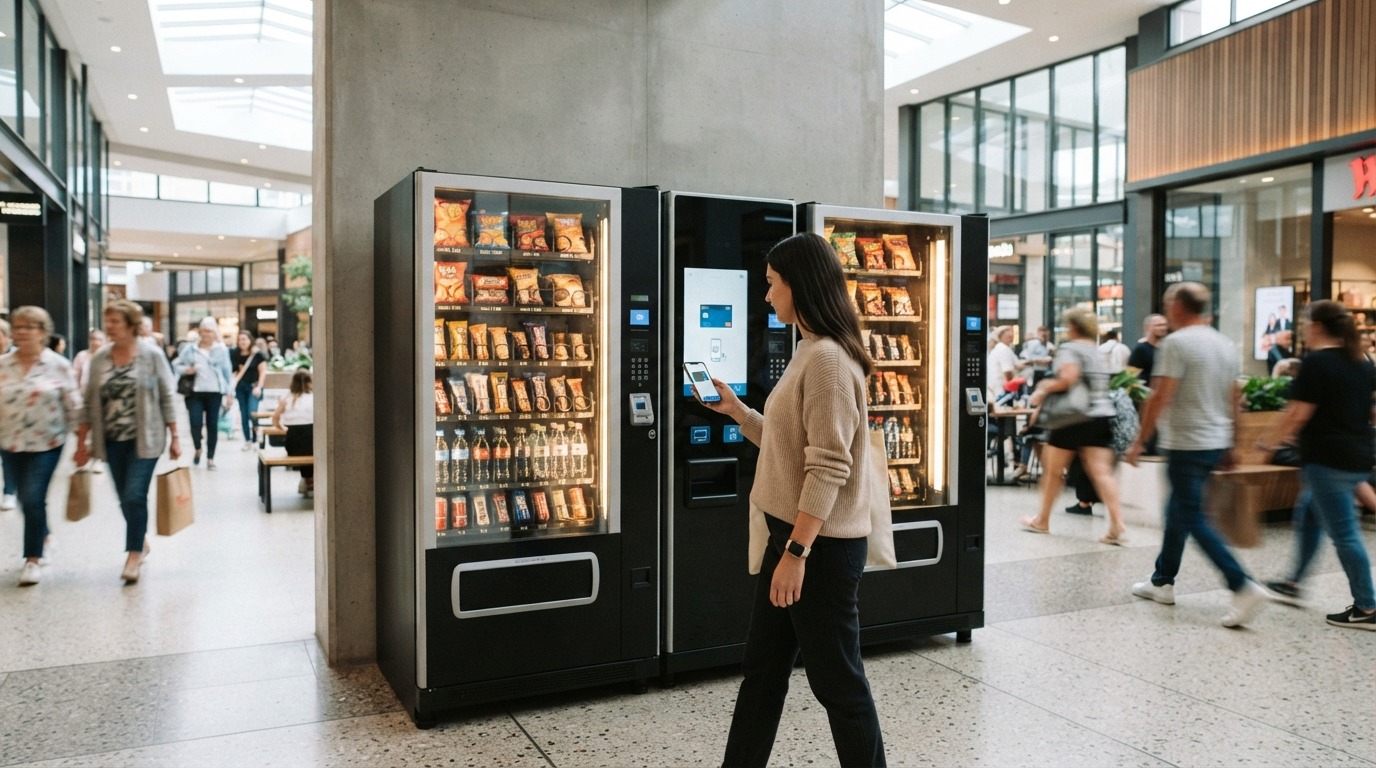
What is a vending machine business?
How much does a vending machine business cost to buy?
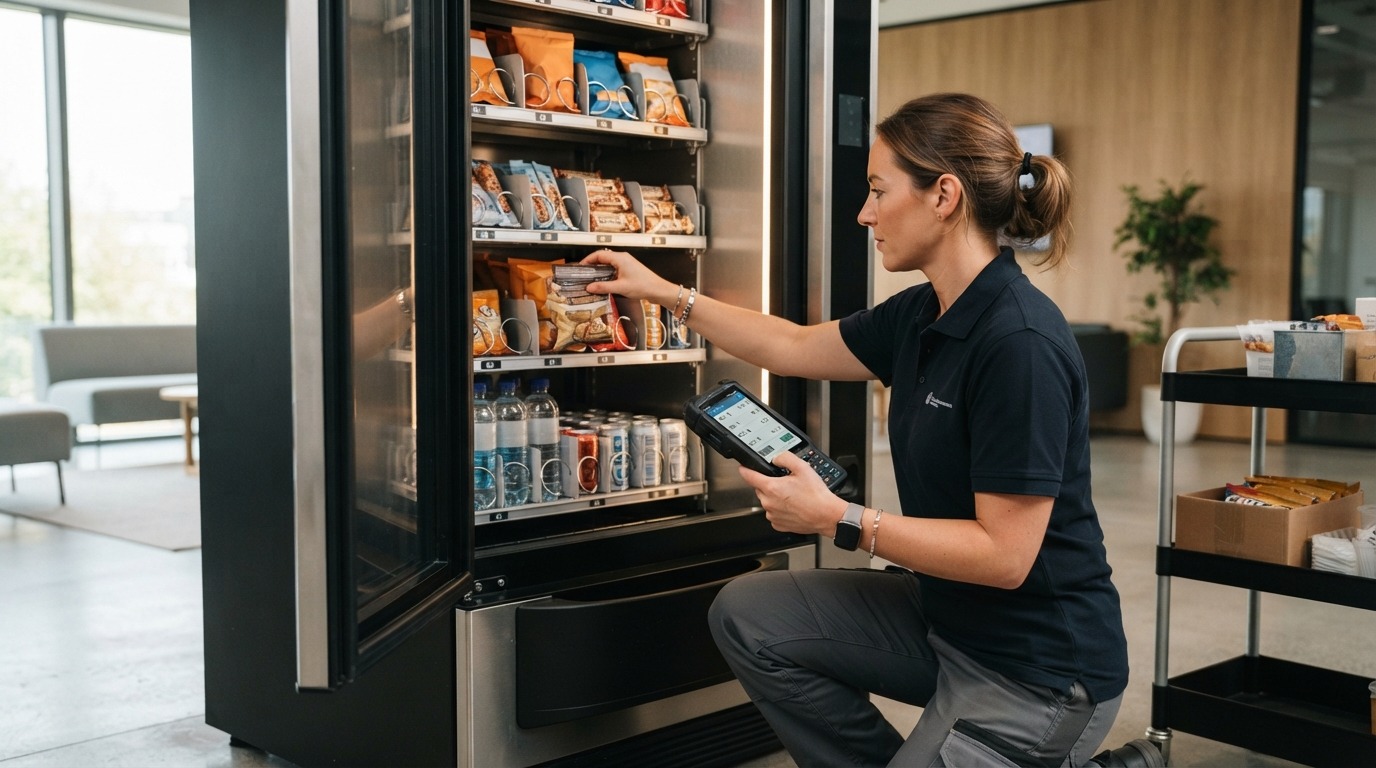
How profitable is a vending machine business?
Are vending machines passive income?
What types of vending machines can you buy?
What makes a vending business valuable? Location is everything
What should you check before buying a vending machine business?
How do you value a vending machine business?

What are the running costs of a vending machine business?
How do you buy a vending machine business in Australia?
Where can you find vending machine businesses for sale in Australia?
The bottom line
Frequently asked questions